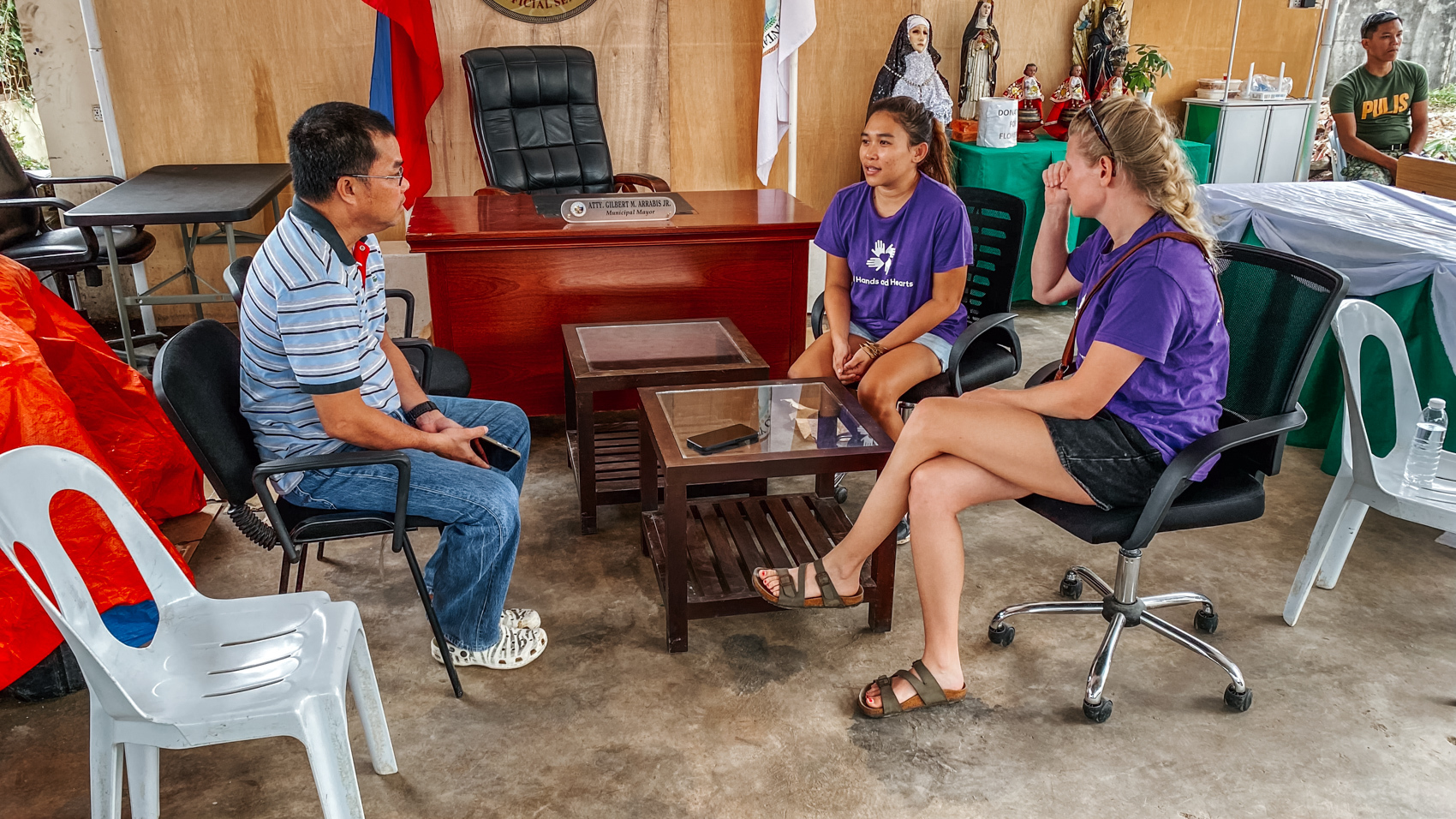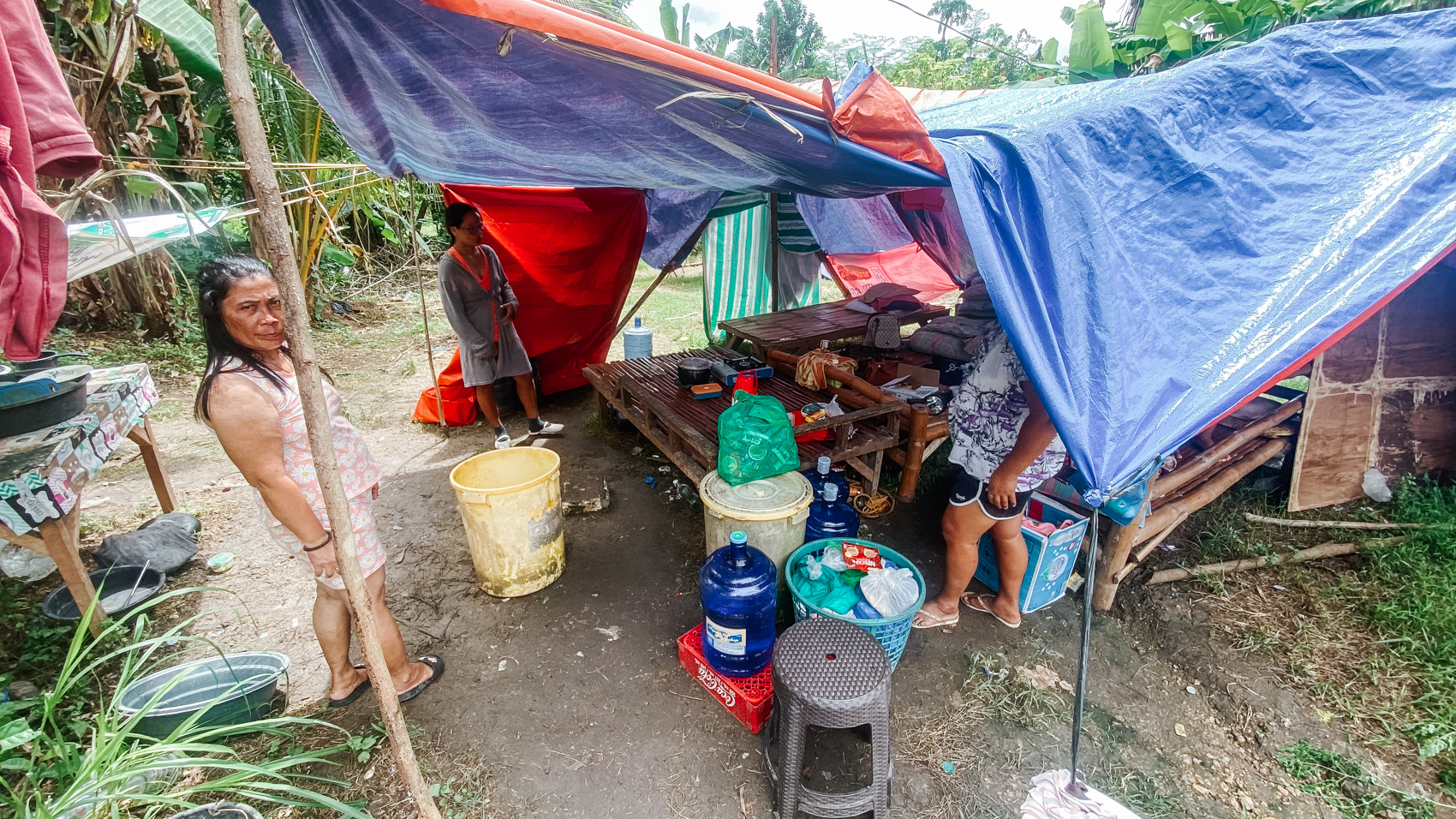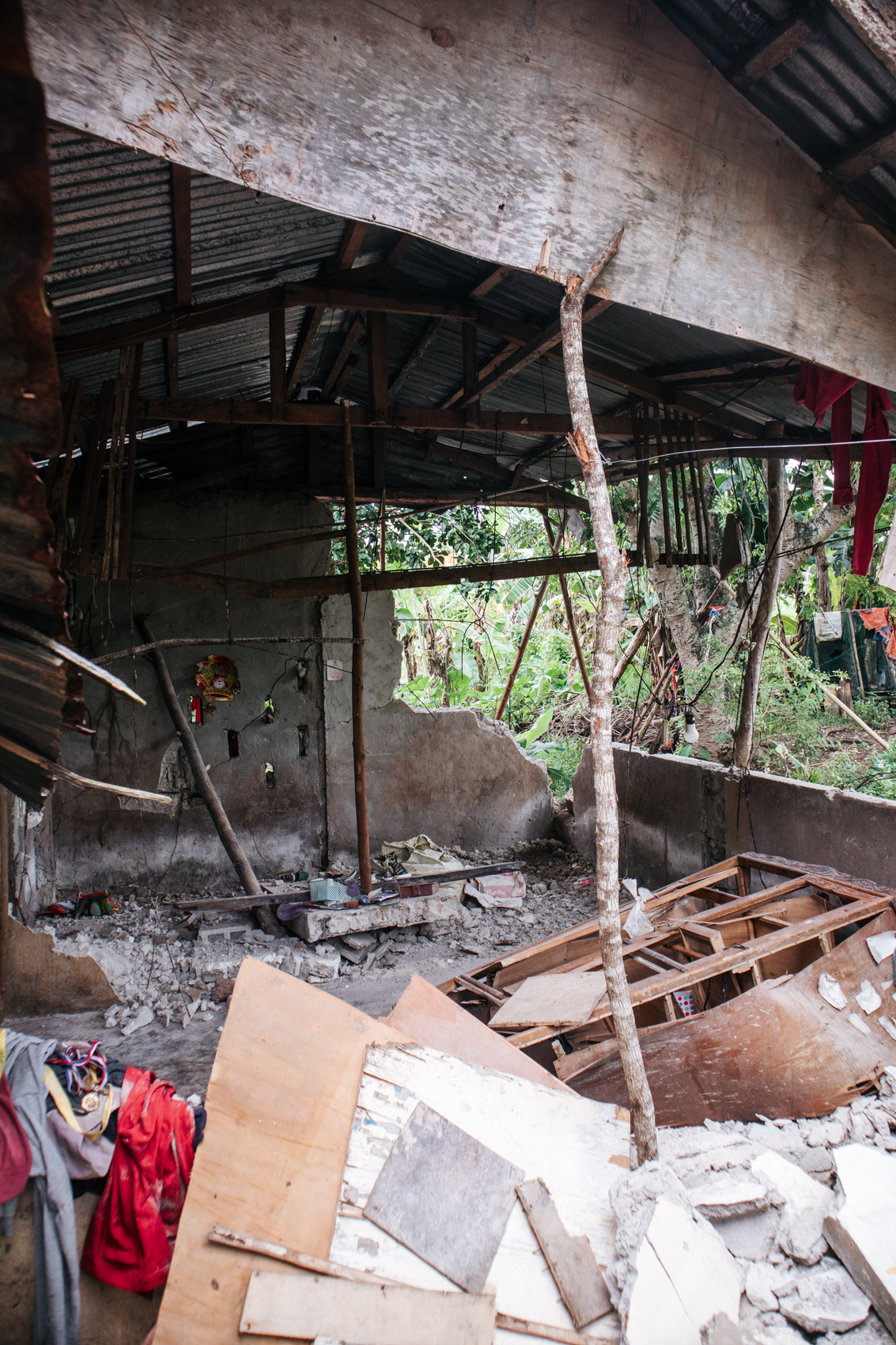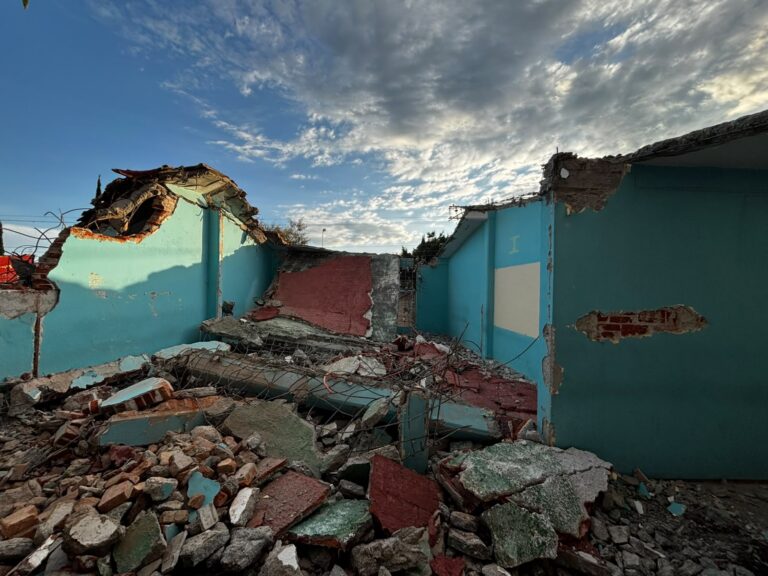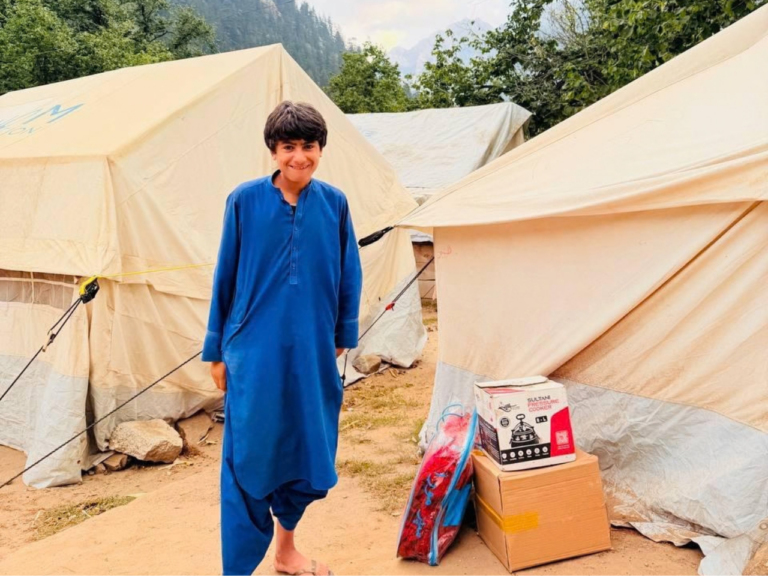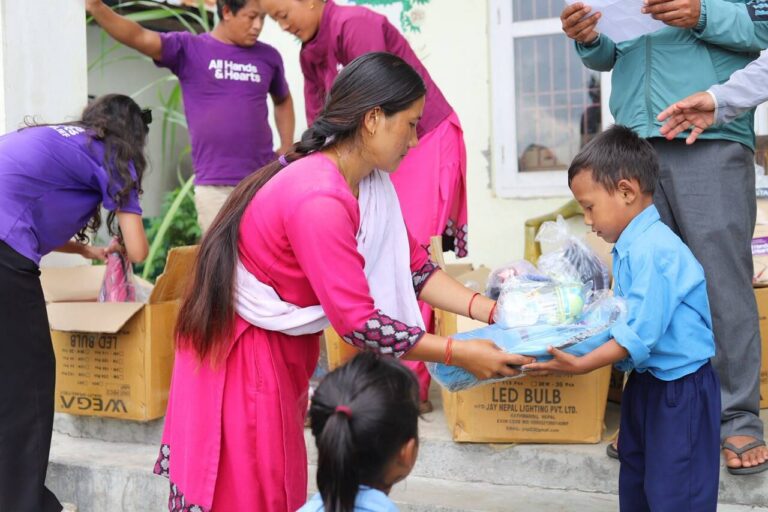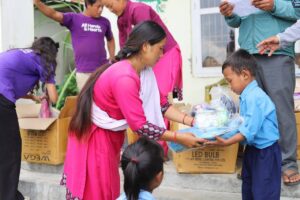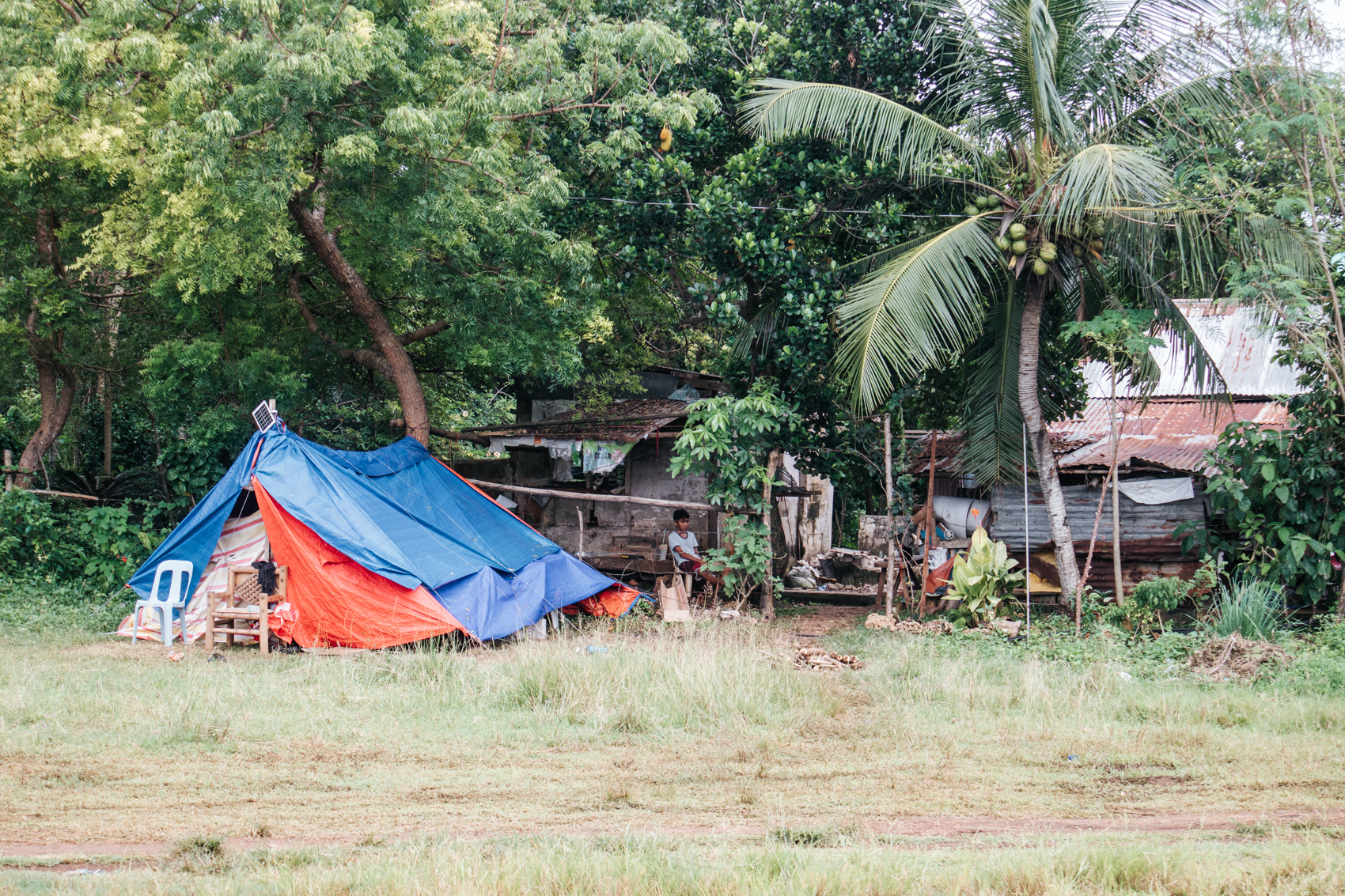
Weeks after the powerful 6.9-magnitude earthquake that struck Cebu Island, thousands of families are still struggling to find safety and stability, while dangerous aftershocks may continue for up to another month. Our team recently visited Tulibao in the barangay (community) of Malingin in Bogo City, where 90% of families are sleeping under tarps or shared tents beside their damaged homes. Many sleep directly on the ground, using cardboard as flooring that quickly becomes soaked when it rains.
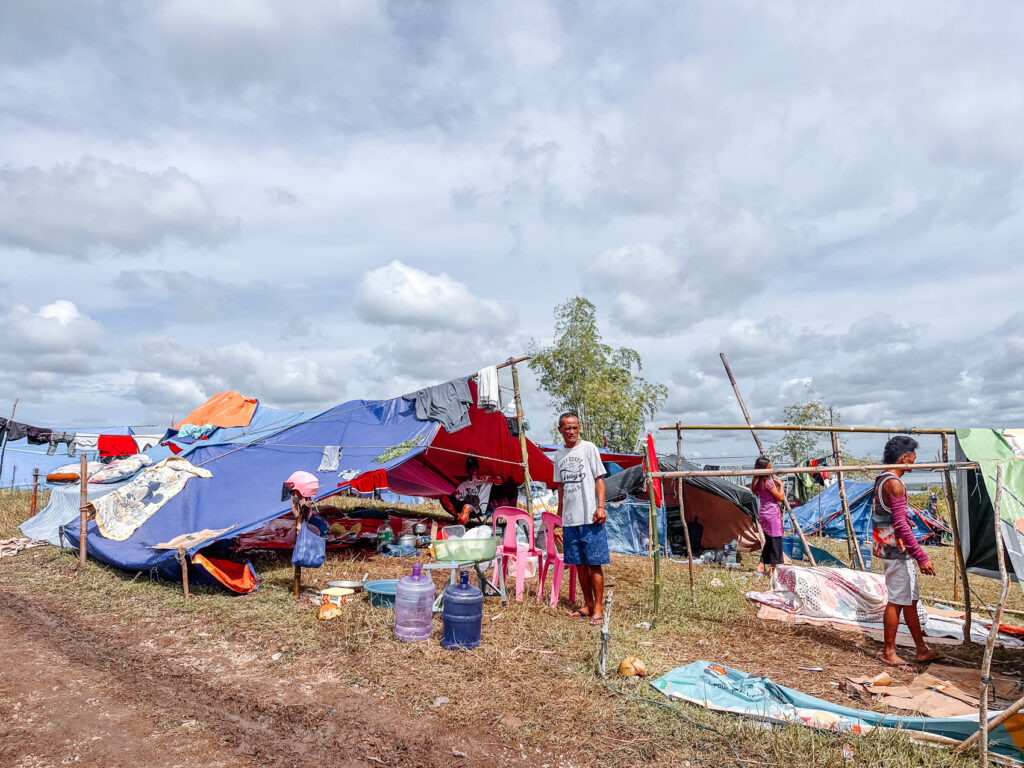
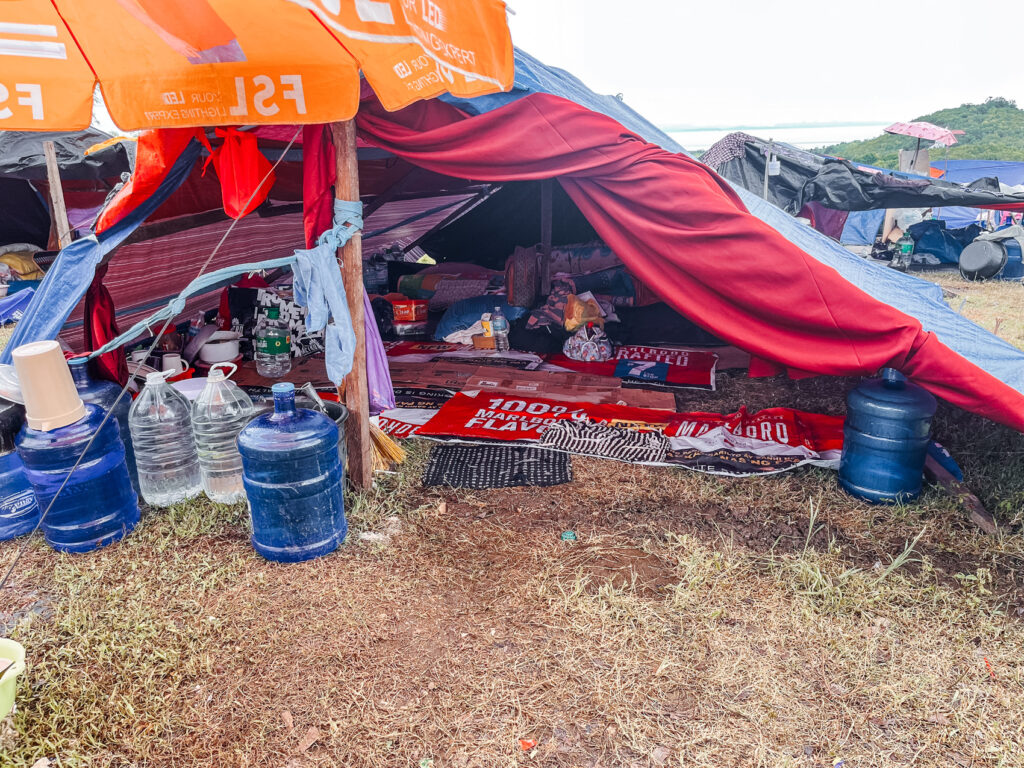
Malingin is not alone. Across the island, tens of thousands of families remain without proper shelter or sanitation as we enter the third week post-earthquake. Many are forced to share tents (two to three families per one) and most have no access to toilets or clean water. Some residents risk entering their unsafe homes just to use the bathroom, while others rely on makeshift kitchens built from stones and dwindling supplies of potable water. With aftershocks still shaking the region and unstable debris threatening to fall at any moment, families remain in constant danger.
To meet these urgent needs, All Hands & Hearts has designed and hired local carpenters to construct 35 emergency shelters in Tulibao, providing a dignified, short-term solution for families in the community.
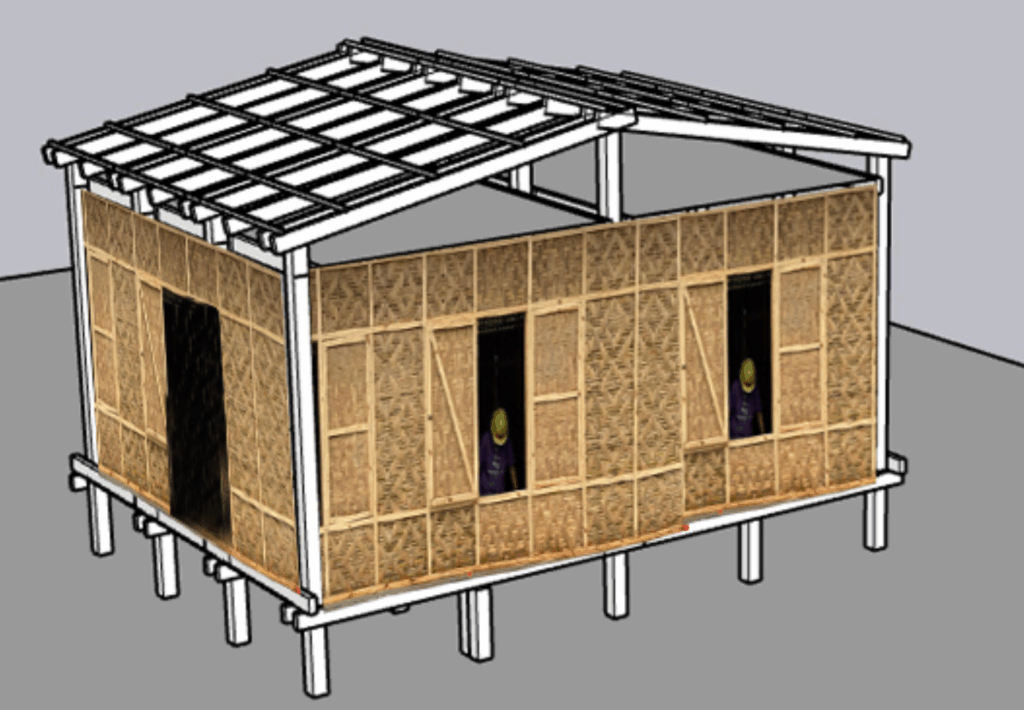
These shelters are unique and modular in design, created specifically for the community’s needs, allowing flexibility based on family size while ensuring safety, privacy and comfort. They will provide families with a secure place to call their temporary home while recovery efforts continue, while keeping them safe from potentially deadly aftershocks.
For families who have spent nights crowded together under a single tarp, sharing space with neighbors and children sleeping on the cold ground, these shelters will finally provide a place to sleep in peace, and to reclaim a sense of dignity. Each family will have room to themselves for the first time since the earthquake, a private space to gather, rest and begin to heal.