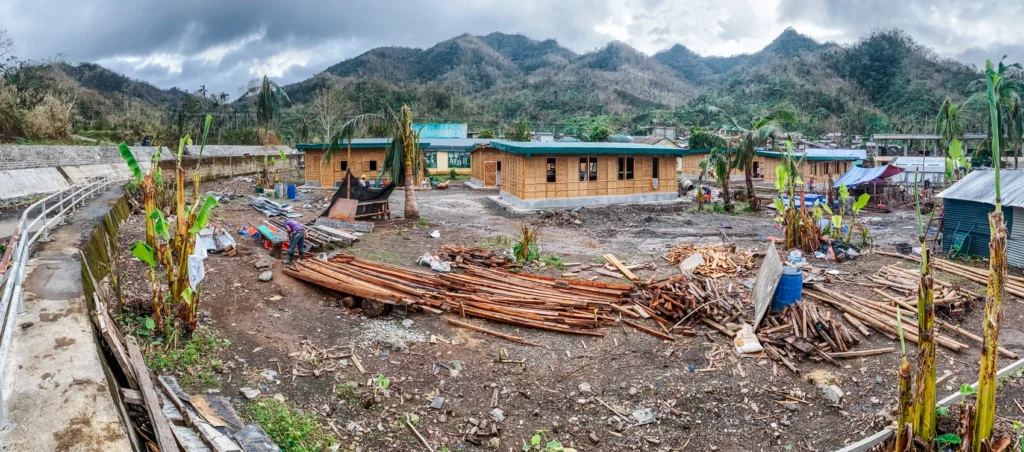
Today, we’re excited to share that the reconstruction of Obi Integrated School in Catanduanes, Philippines, is officially complete, thanks to the incredible support of the community, volunteers, staff and donors.
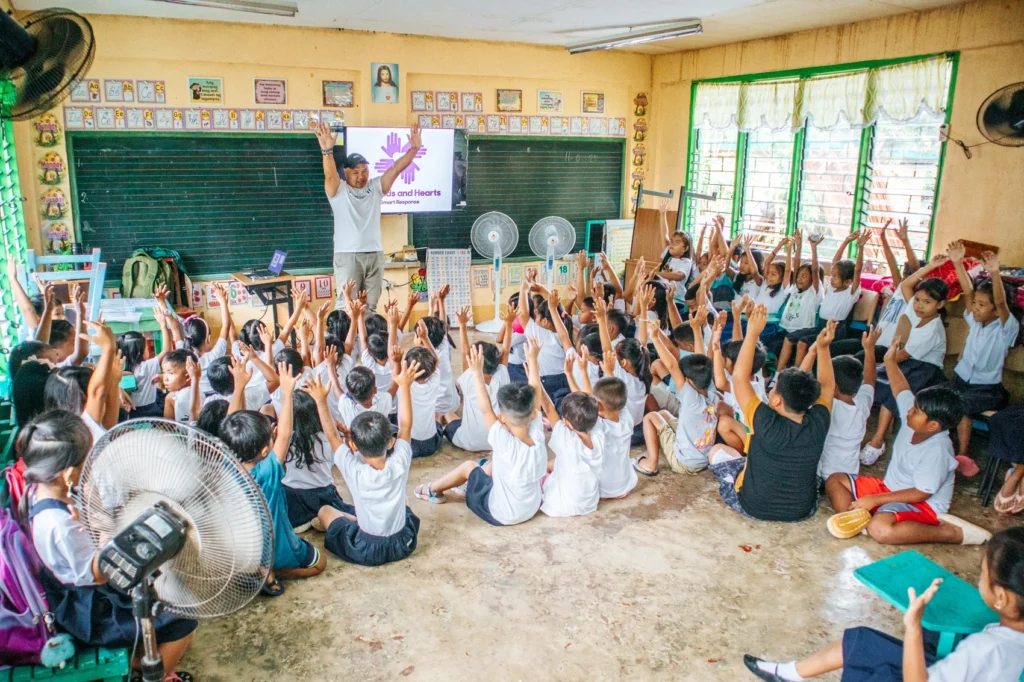
This project was our 25th school reconstruction in the Philippines, providing a safe, healthy and conducive learning environment for 299 students and 5 staff, from kindergarten through grade nine.
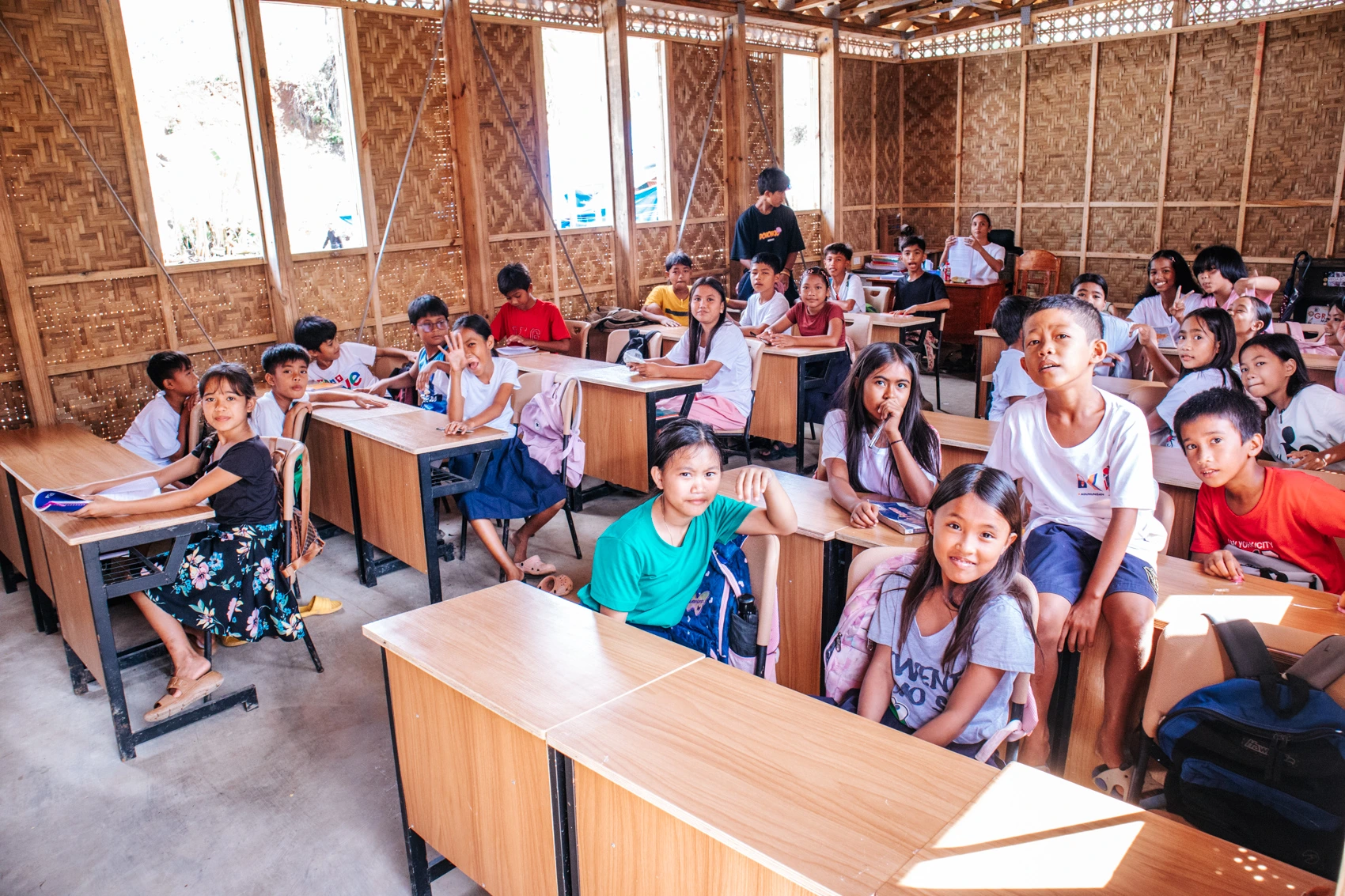
After months of learning in temporary tents, where children were exposed to repeated typhoons this year alone, they can finally return to classrooms that are safe, disaster-resilient and comfortable, built to withstand future storms and the intense heat that once made learning unbearable.
Learning Amid Constant Storms
Catanduanes, known as the Typhoon Capital of the Philippines, faces some of the world’s most frequent and destructive storms. Super Typhoons, as strong as Category 5 hurricanes, hit the island nearly every year, damaging homes, schools, and critical infrastructure.
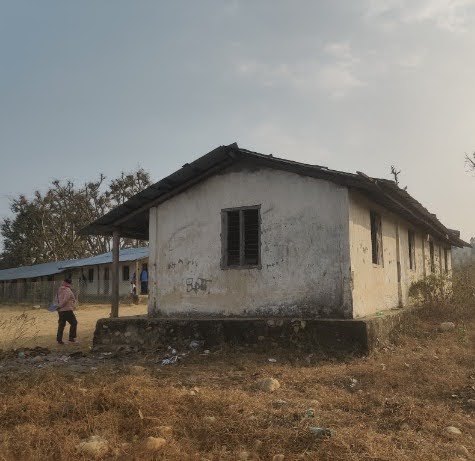
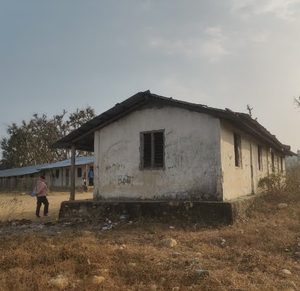
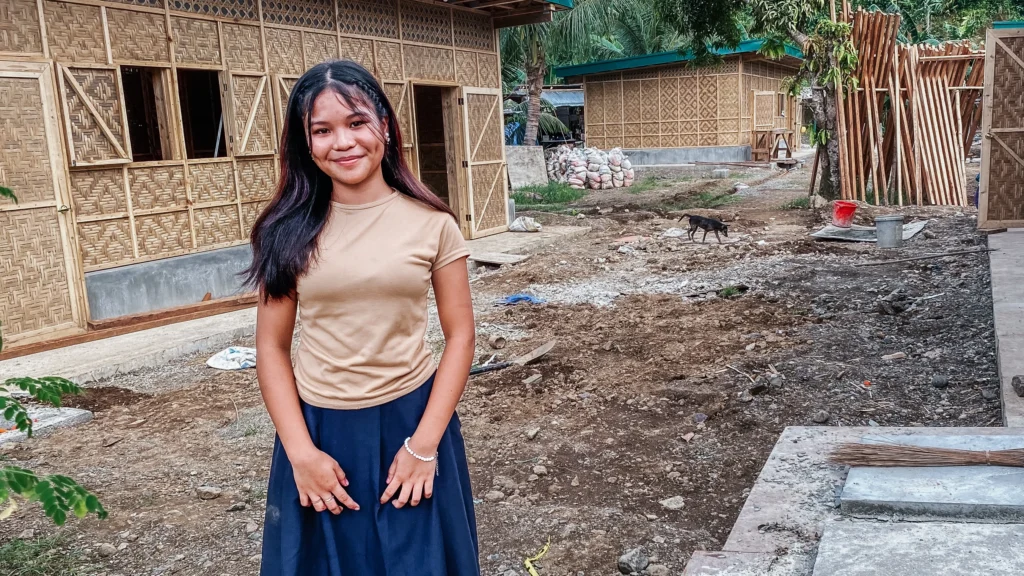
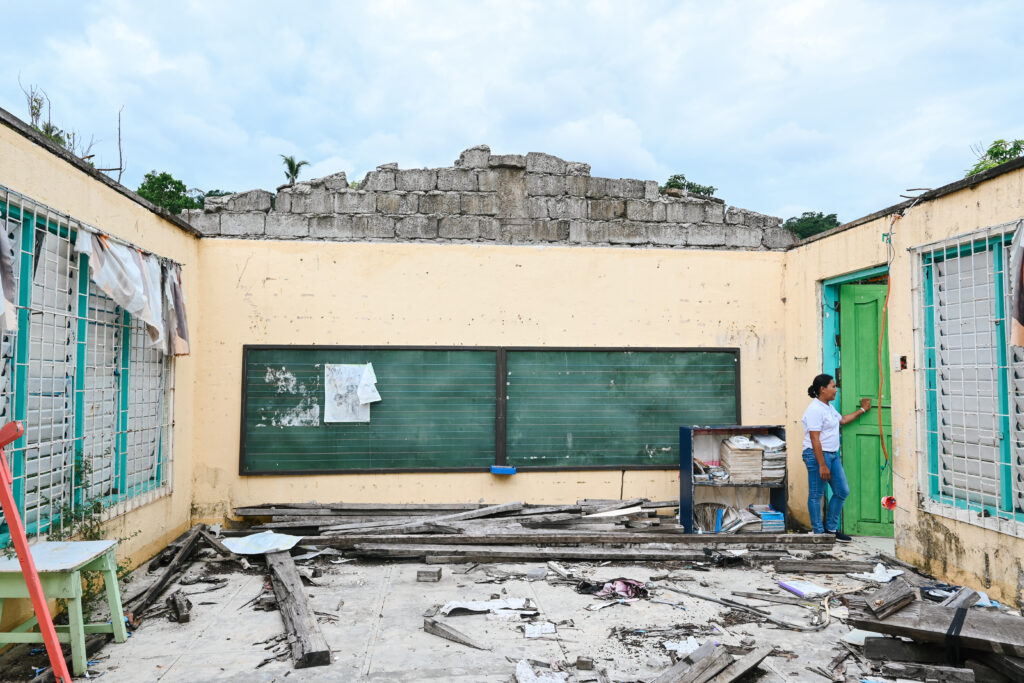
After Super Typhoon Pepito destroyed Obi Integrated School, students like Jessabel were forced to learn in tent classrooms. These temporary spaces quickly became unbearably hot in the sun, muddy when it rained, and far from ideal for focused learning.

Building a Sustainable & Resilient School
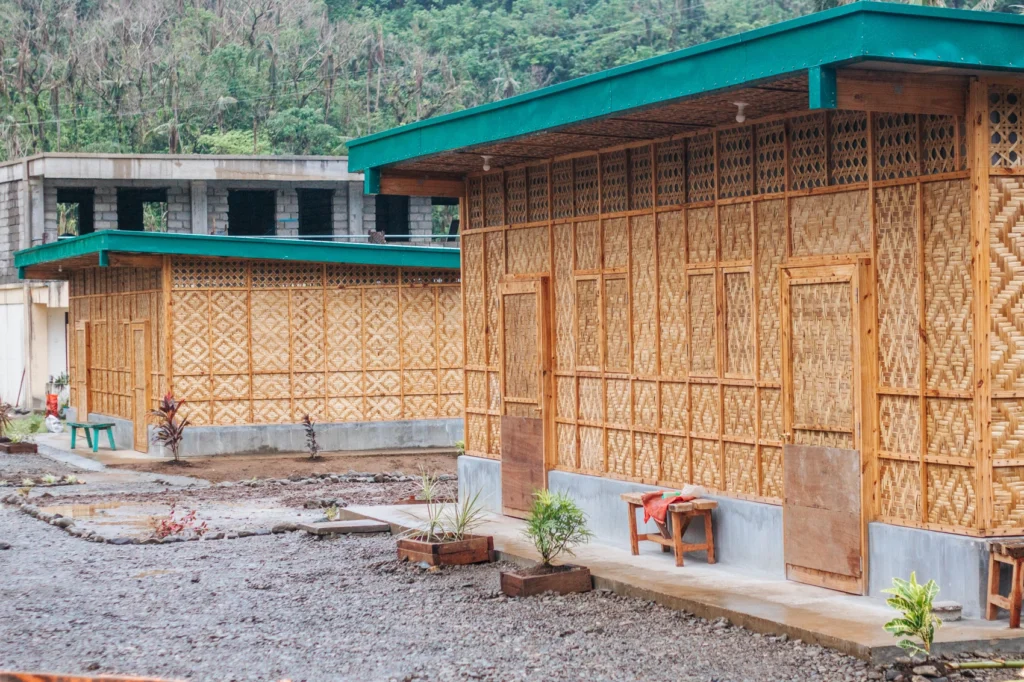
Through our sustainable & resilient school response program, we built durable, storm-resilient classrooms designed to get students back to school quickly and provide safe, comfortable learning for years to come.
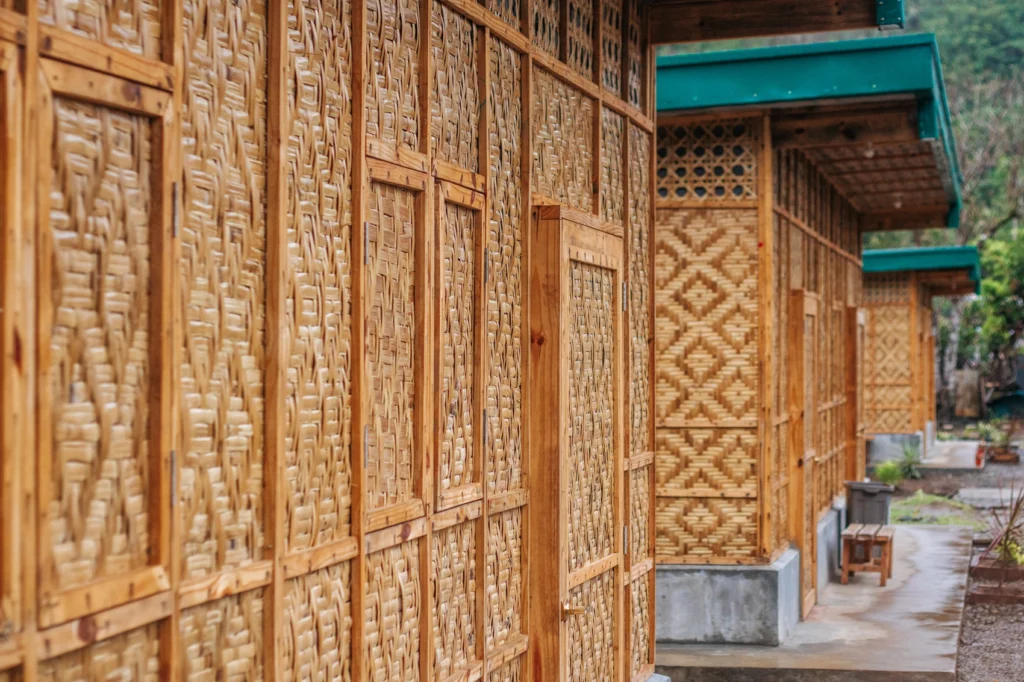
Community members contributed their expertise in Amakan, a traditional, locally sourced woven bamboo material that is cost-effective, naturally cooling, and offers excellent ventilation. Local craftspeople can maintain and repair the classrooms using skills passed down through generations, keeping knowledge, and the benefits, within the community.
The rebuilt school also features new Water, Sanitation and Hygiene (WASH) facilities, including five bathrooms, drinking water stations, and a water filtration system, ensuring students and teachers have access to clean water year-round.
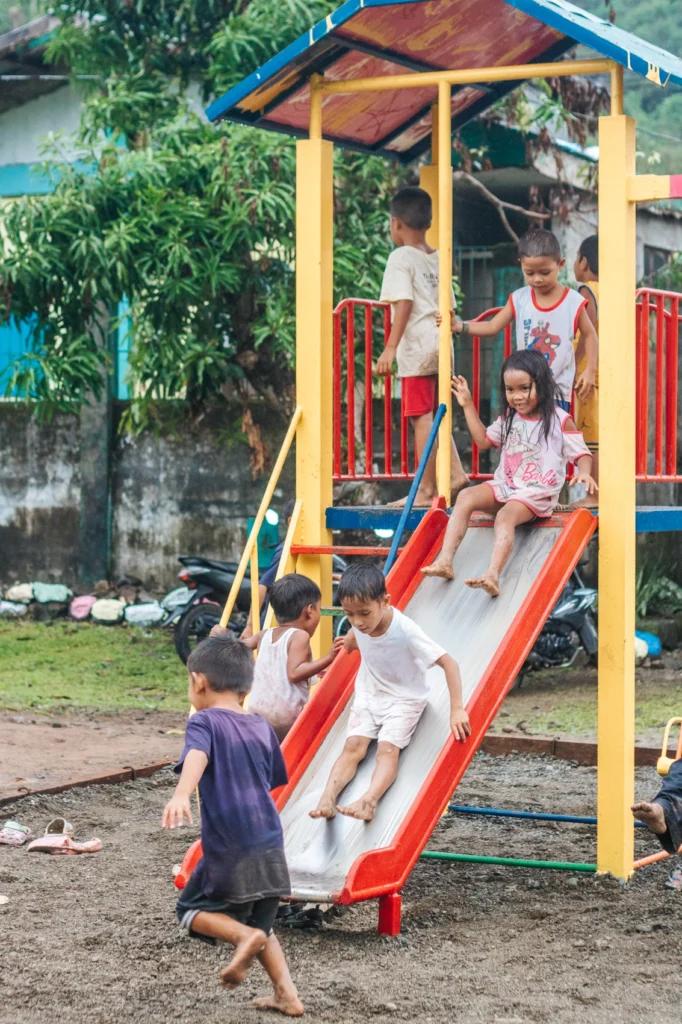
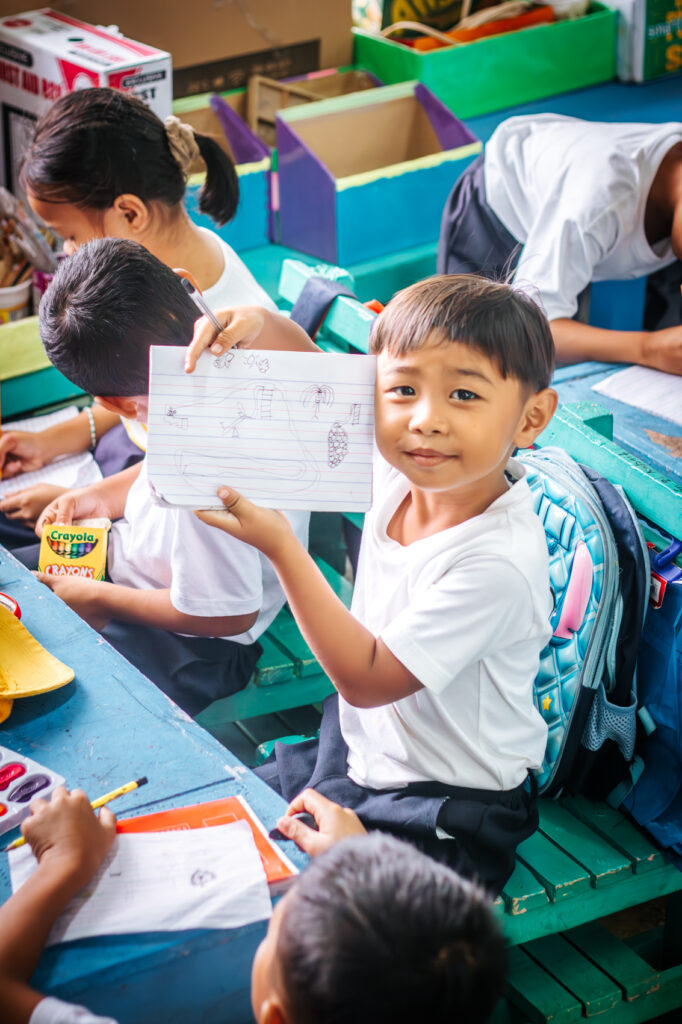
For the first time in the school’s history, students now have a new playground. Before construction began, children were invited to draw their dream playgrounds, ensuring their voices shaped the space and making them active contributors to the transformation of their school.
Community Preparedness & Capacity Building
Beyond construction, the local community played a central role in strengthening resilience. Residents participated in child protection workshops, basic first aid training, disaster risk reduction sessions, and sustainable building and maintenance trainings in partnership with Streetlight and Base Bahay. These initiatives help ensure the community is better equipped for future disasters.
A Real-World Test: Typhoon Uwan
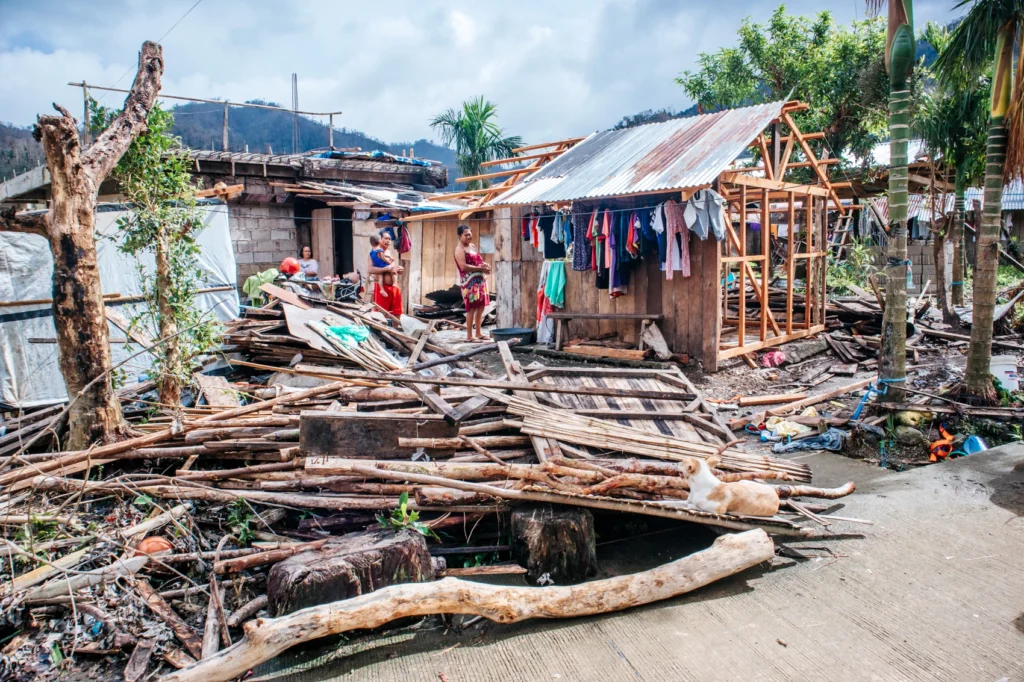
As construction neared completion, Super Typhoon Uwan struck Catanduanes and the Bicol region, impacting 60,969 families (206,538 individuals) across the province. The storm caused over 28,000 houses to be partially damaged and more than 4,000 to be completely destroyed, with widespread power and water outages.
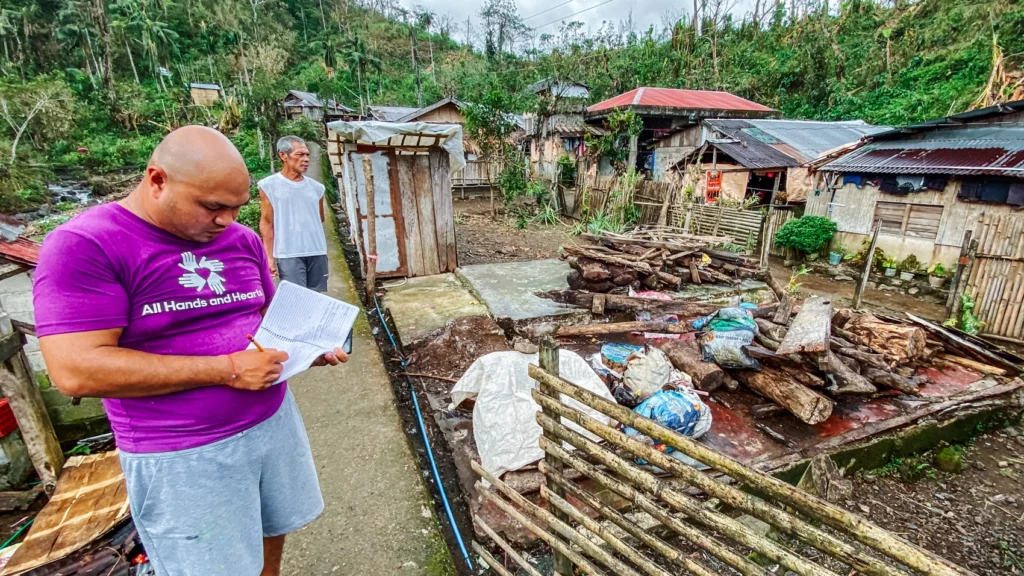
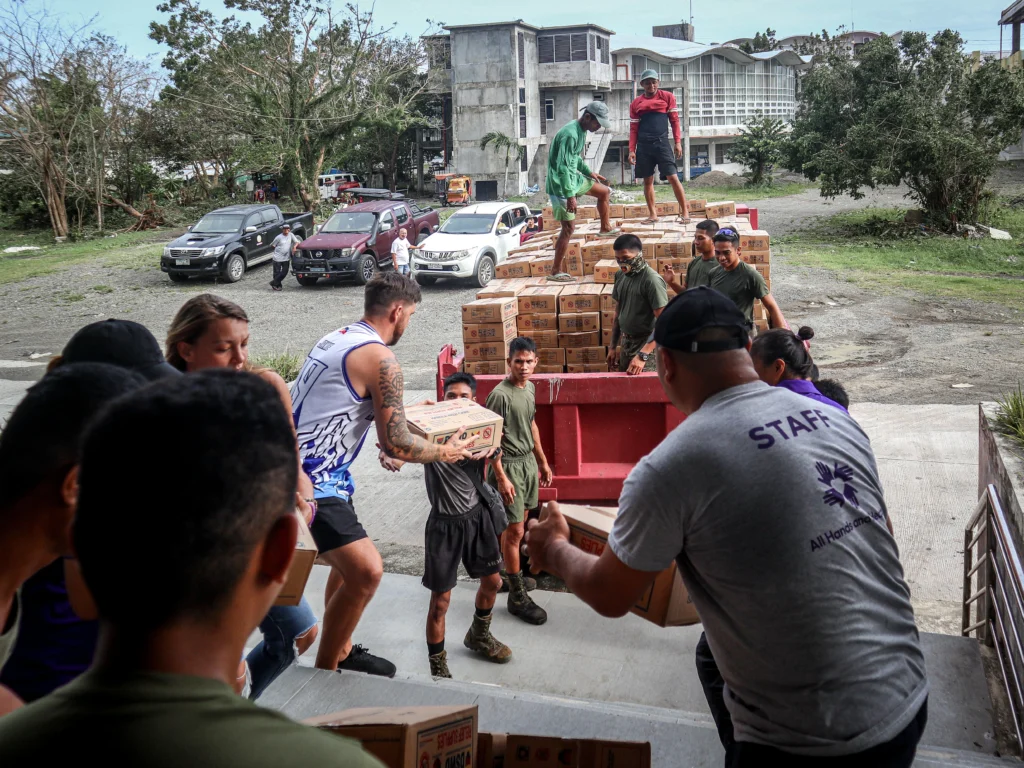
While the storm raged, our team quickly mobilized to support local relief efforts in coordination with the Provincial Local Government Unit, Provincial Disaster Risk Reduction and Management Office, Department of Social Welfare and Development, Philippine Army, and Philippine Coast Guard.
We facilitated the transport of 10,000 food packs, distributed to the hardest-hit communities, including Obi. Each pack contained essentials such as rice, canned goods, coffee, and clean water. When the team returned to the school, the new classrooms, still unfinished, had withstood the storm, proving the strength of the design and construction.
A Safe, Resilient Future for Students
Thanks to the dedication of the community, volunteers and generous donors, students in Obi now have a safe, storm-resilient and comfortable school where they can focus, learn and play.
Your support ensures we can respond immediately after disasters and deliver resilient solutions for communities, just like we have at Obi Integrated School.