Today marks four years since Russia launched its full-scale invasion of Ukraine on February 24, 2022. We solemnly recognize this date as another milestone in a dark chapter of history, one that continues to reshape millions of lives.
Over the four years, needs have shifted, but the humanitarian crisis remains. Over 6 million Ukrainians have fled the country, and millions more remain internally displaced. Families continue to endure missile attacks, the loss of friends and family members, destroyed infrastructure, and long winters without consistent heat, electricity, or water.
From the earliest days of mass evacuations to today’s freezing temperatures in Kyiv, our commitment has remained the same: to support communities navigating the unimaginable.
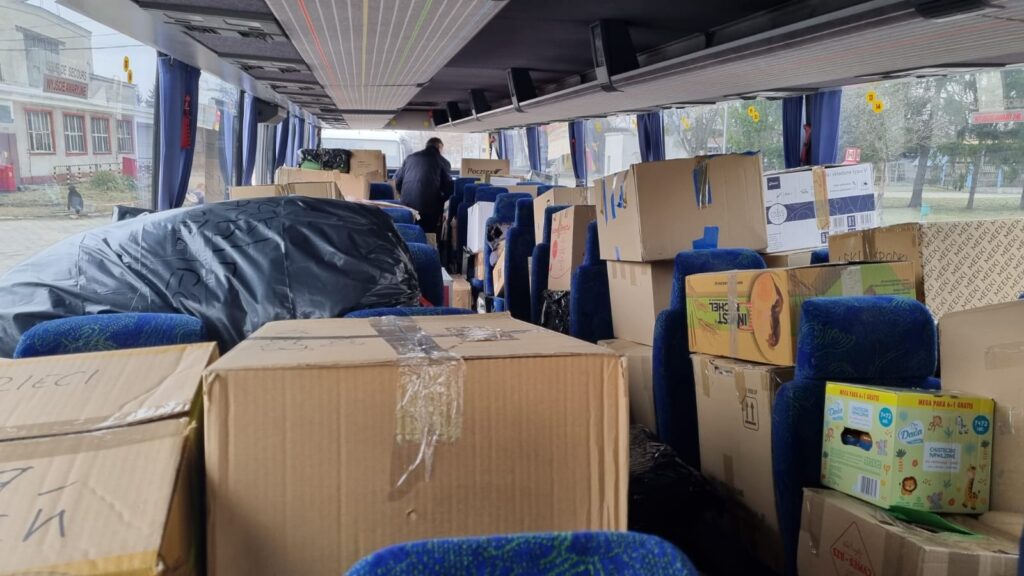
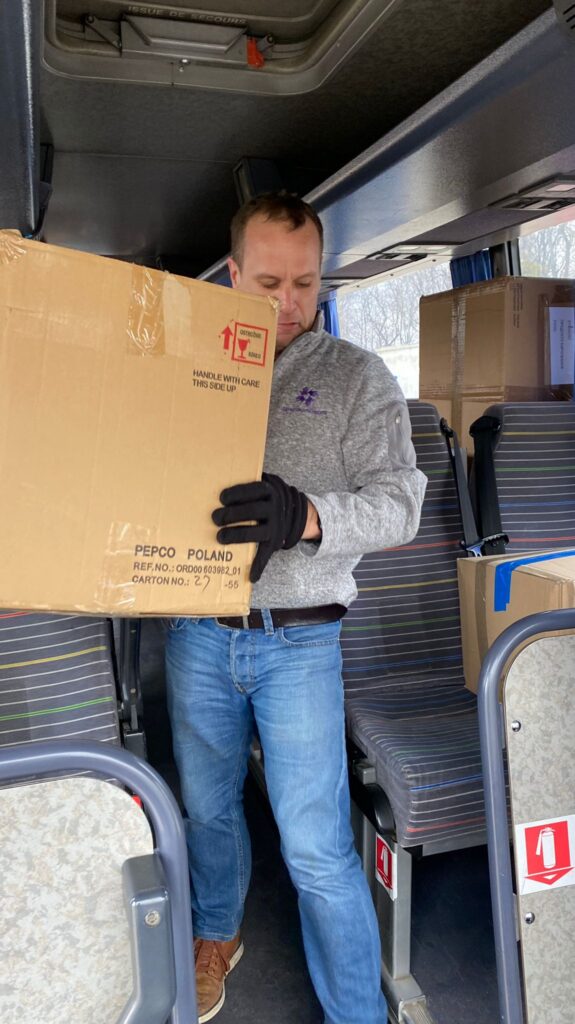
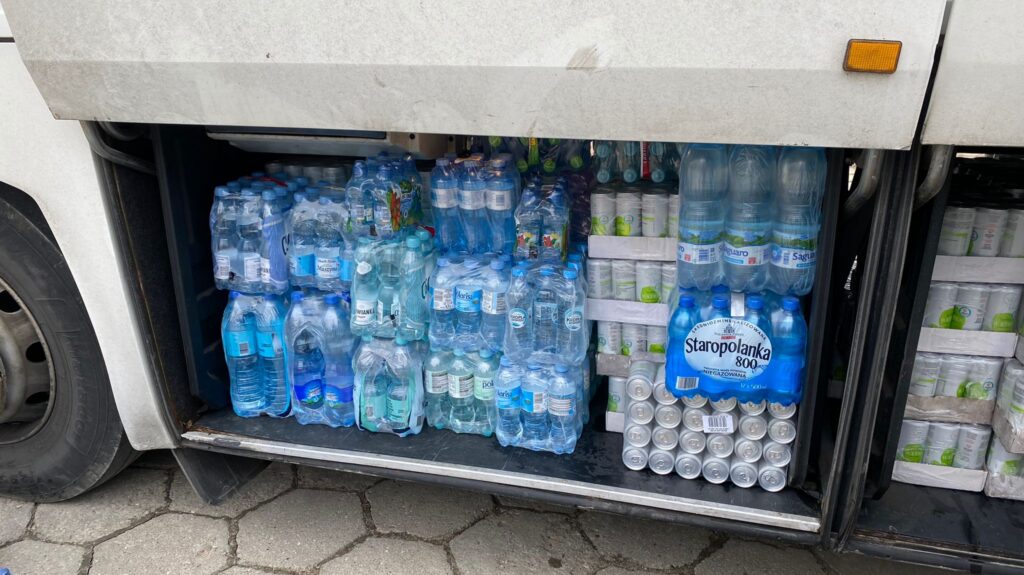
The First Days: Evacuations and Emergency Refugee Support in Poland
When the invasion began, All Hands & Hearts deployed to Poland to support with the immediate task of getting families out of conflict zones.
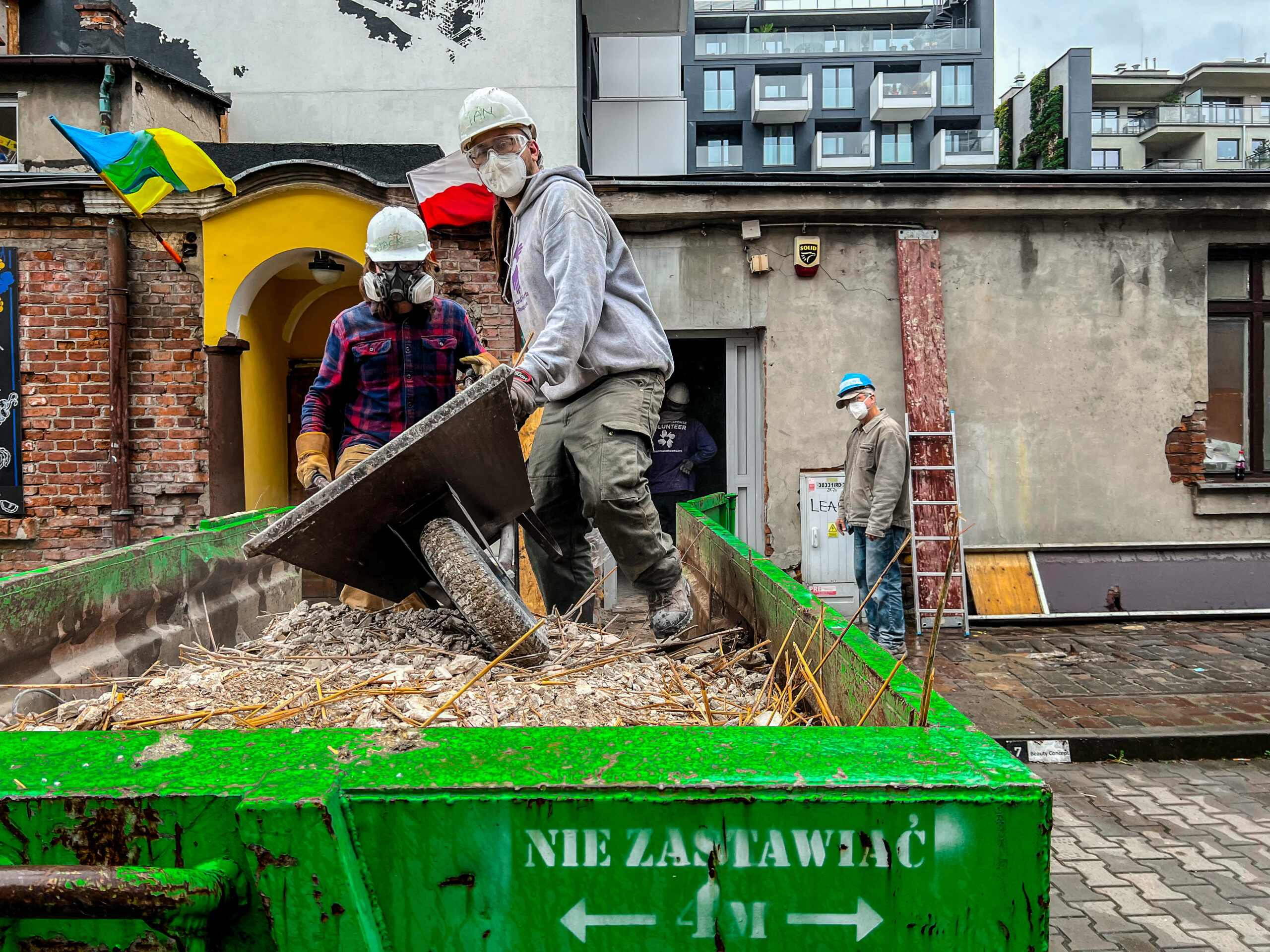
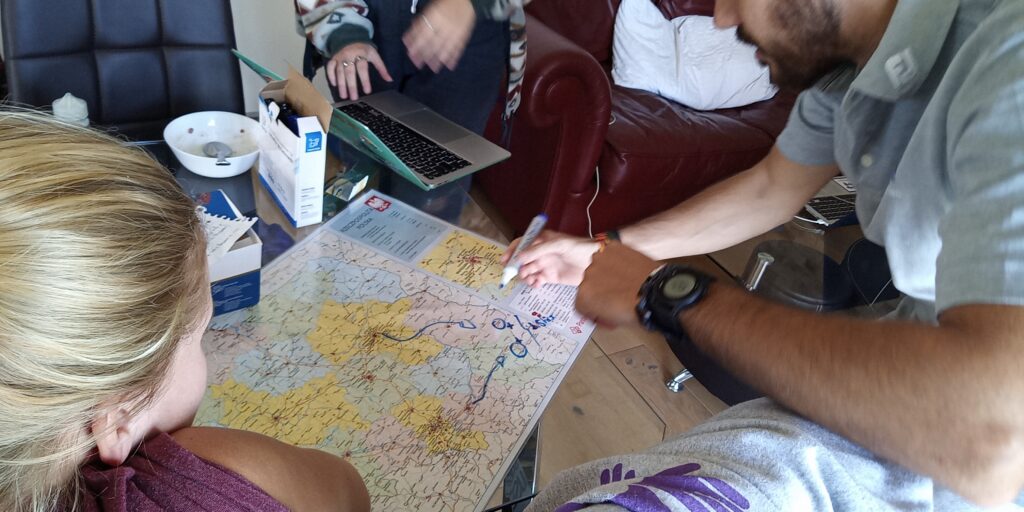
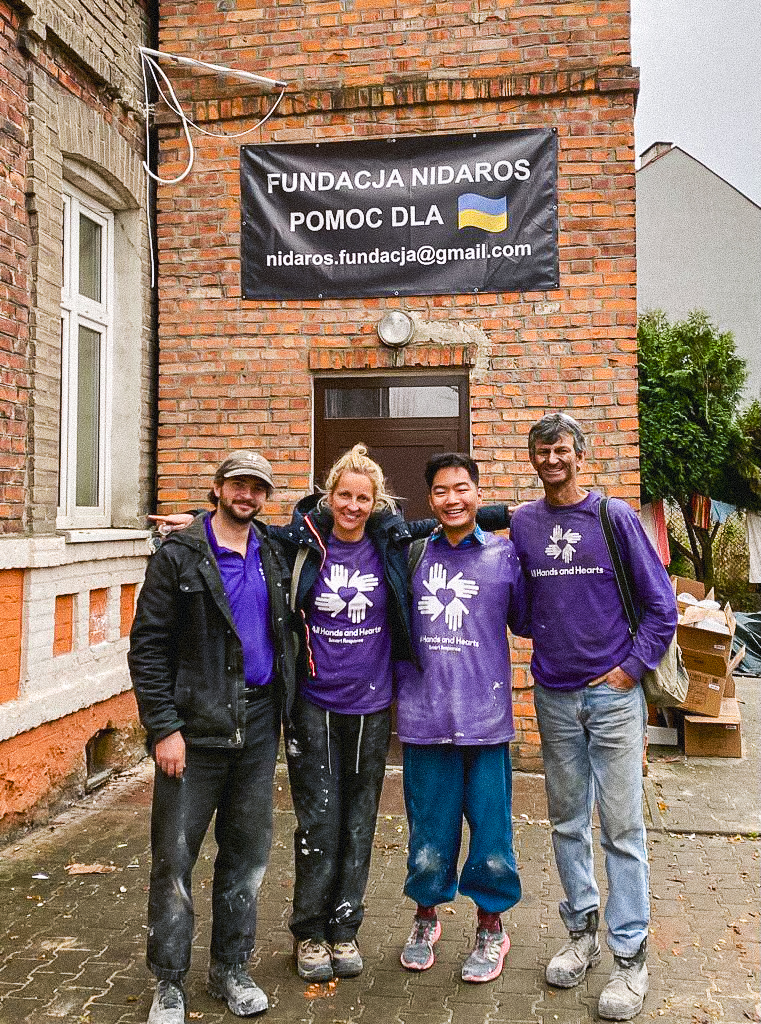
Working from bases in Jarosław and Kraków, we partnered with Ukrainian-based humanitarian relief and anti-human trafficking organizations to support safe evacuations – particularly for vulnerable groups including orphans, people with disabilities, the elderly, and survivors of violence. We coordinated closely with partners such as Save Ukraine to assess urgent needs in a rapidly changing environment.
Our teams:
- Supported vehicular evacuation of Ukrainian refugees
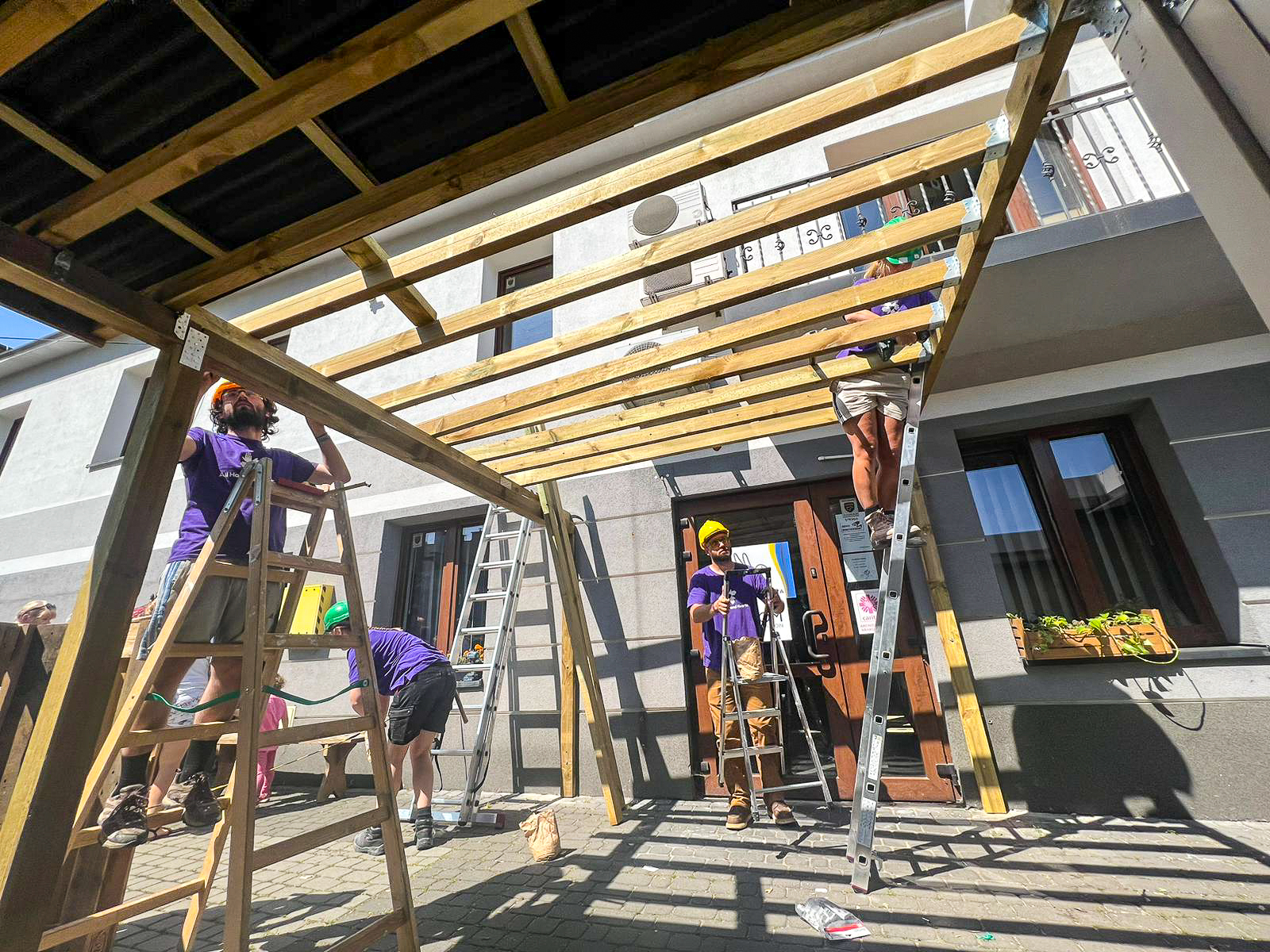
- Renovated and retrofitted buildings into emergency shelters
- Improved integration centers where refugees could begin rebuilding their lives
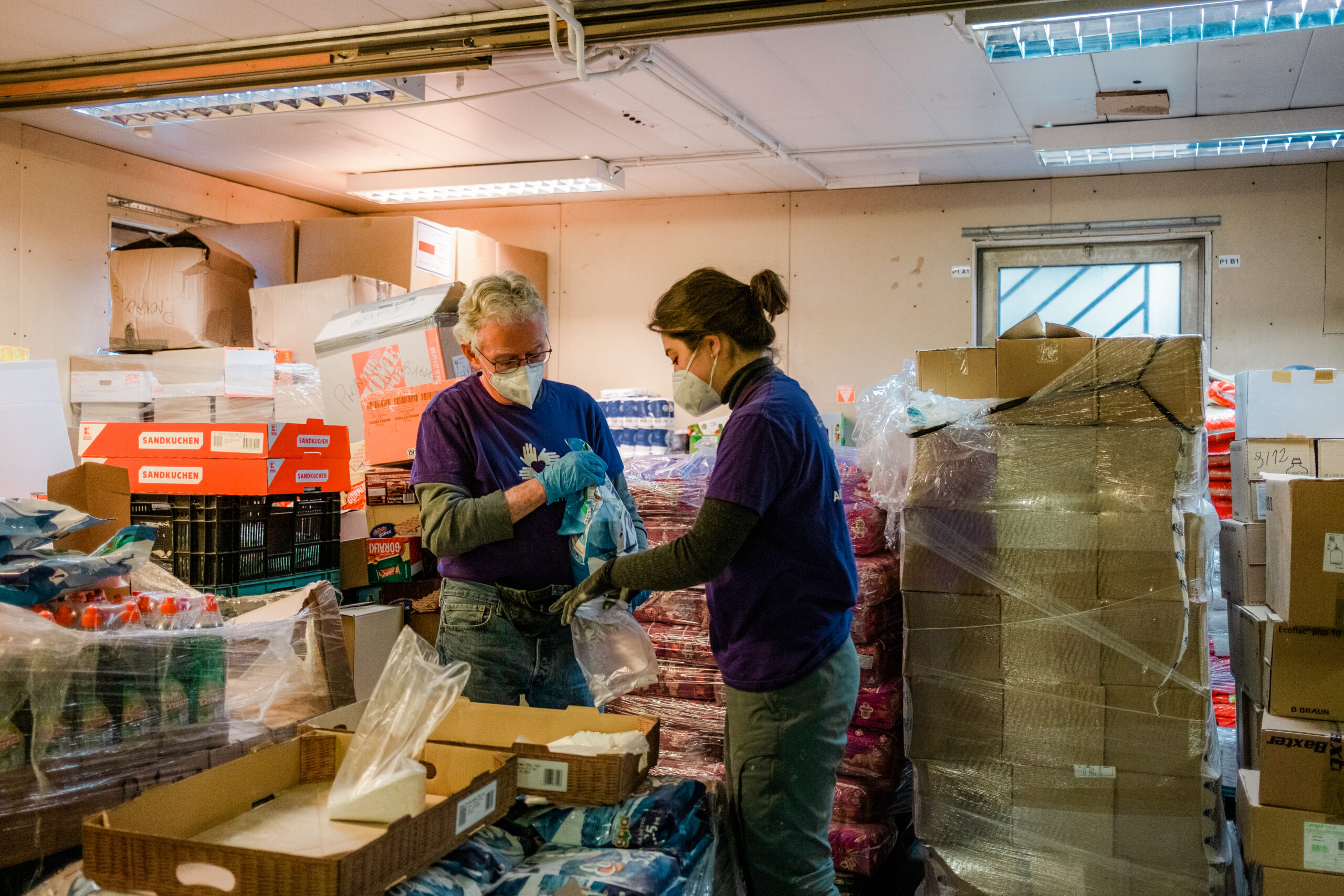
- Supported NGO distribution centers and warehouses, and sorted and distributed donations
- Assisted at food banks
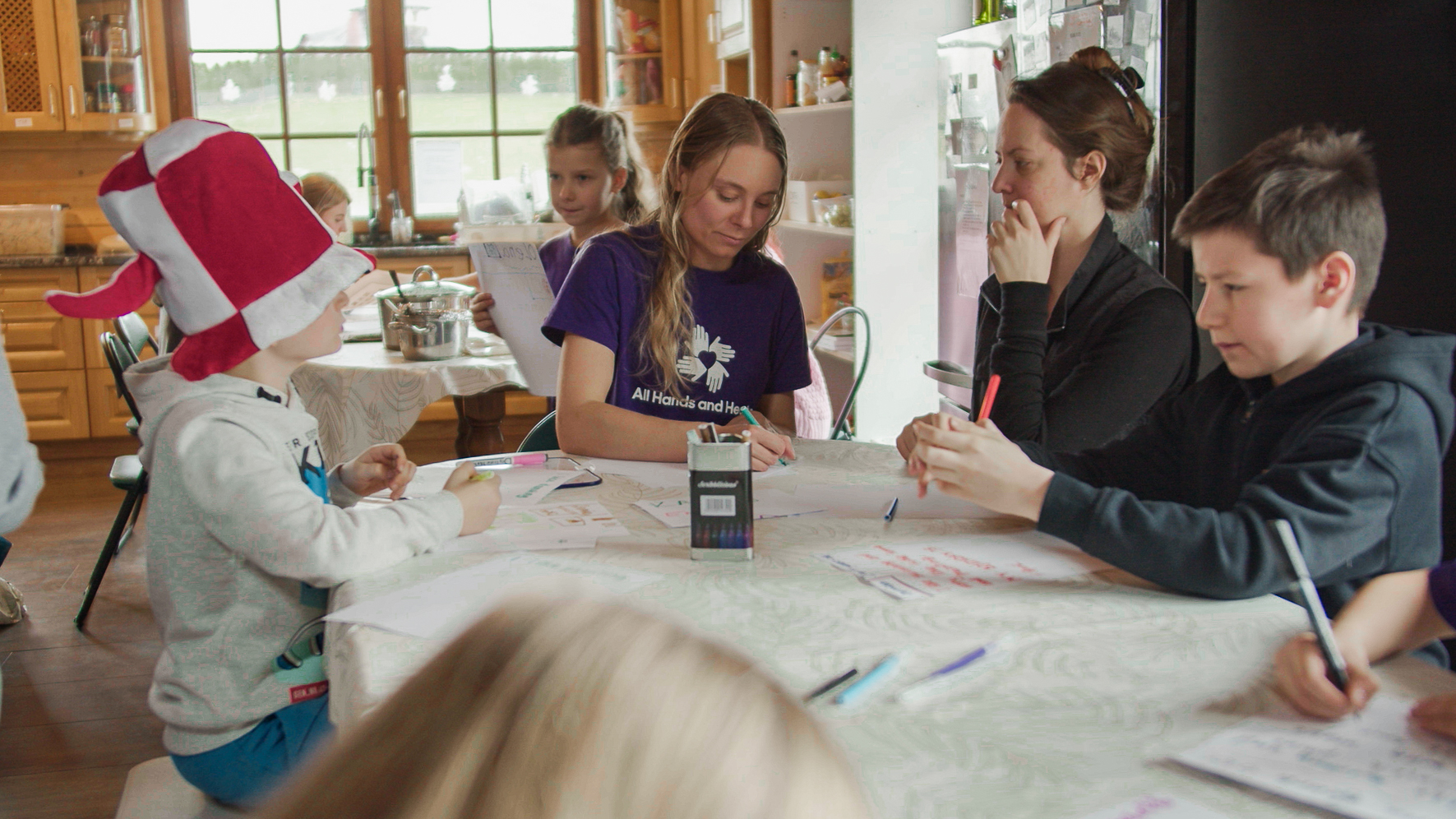
- Organized English Clubs and community integration events
Across 27 months, more than 75,000 Ukrainian refugees were impacted through this evolving relief program.
As the months turned into years, our focus expanded to strengthen psychosocial support systems and safeguarding measures, recognizing that displacement is an emotional, social, and immensely personal journey.
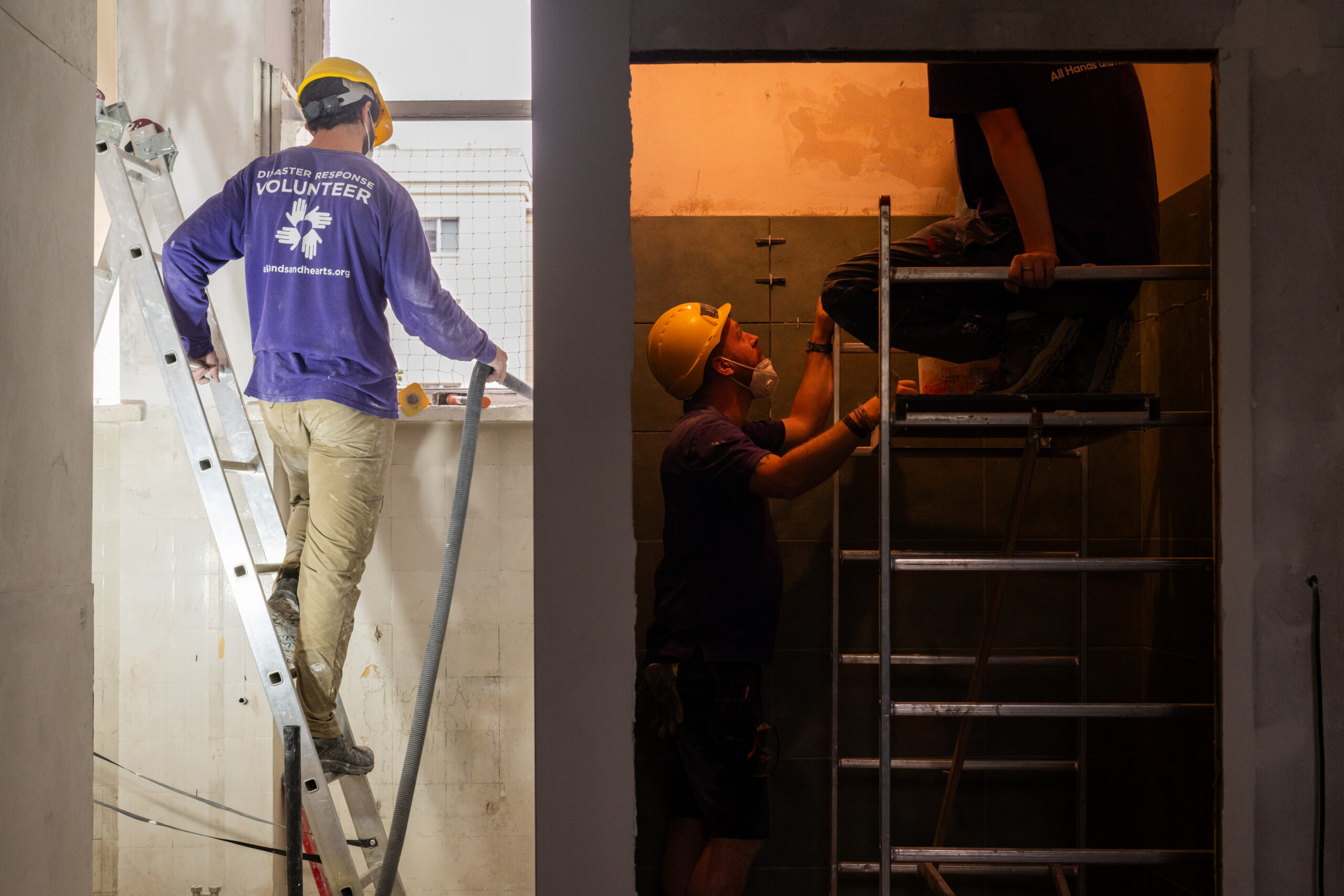
Supporting Internally Displaced Persons in Western Ukraine
As millions remained within Ukraine’s borders, the pressure on western regions intensified.
In October 2023, we launched a program in Uzhhorod, in Zakarpatska Oblast, to support Internally Displaced Persons (IDPs). By February 2024, this had grown into a full-scale initiative in partnership with Uzhhorod National University.
Over 90,000 registered IDPs currently reside in Zakarpatska Oblast. University dormitories became refuge for families who had fled active conflict zones.
Together, we:
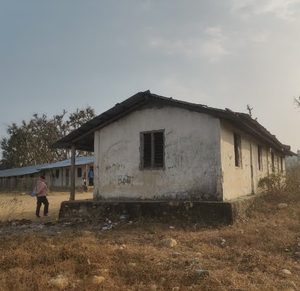
- Renovated unusable dormitory rooms into safe living spaces
- Improved shelter conditions for displaced families
- Organized over 250 English Club sessions across five locations
- Led art sessions for Ukrainian IDPs and Roma communities
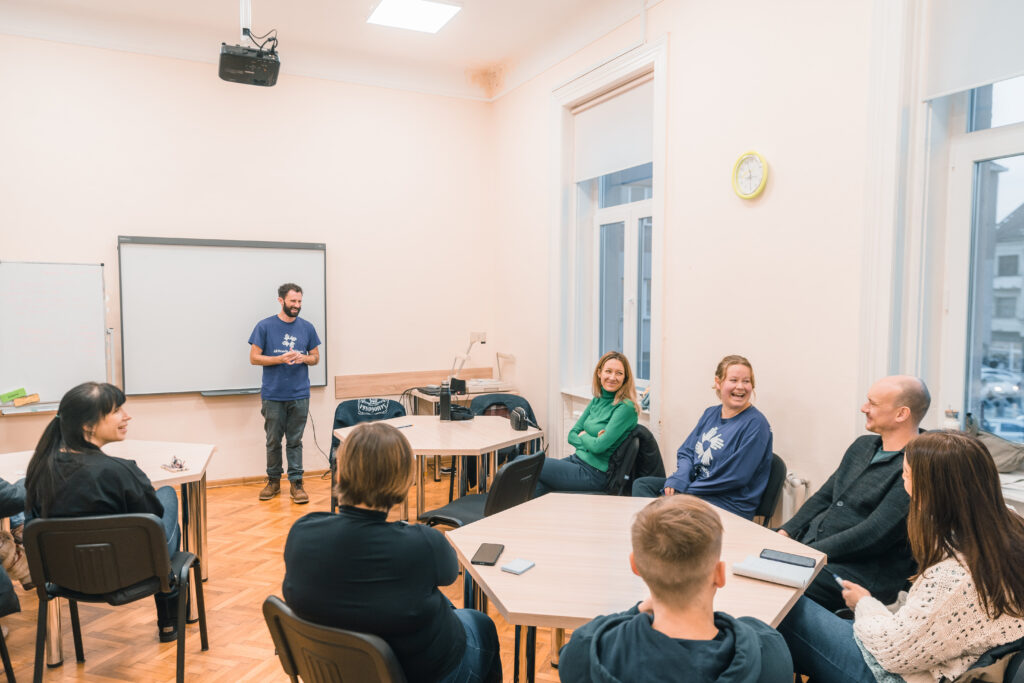
The English Clubs became spaces for connection and belonging to a community, and in doing so, motivation to keep going. Art sessions offered children and families a rare opportunity to express themselves freely amid ongoing uncertainty. It helped remind participants that the international community had not forgotten them.
Four Years Later: A Brutal Winter in Ukraine
Today, Ukraine is enduring one of its harshest winters since the invasion began.
In January, Kyiv’s mayor, Vitali Klitschko, announced that the situation in the capital was more difficult than at any point in the previous four years of war. Temperatures are consistently well below freezing, with sustained periods in the –20s°C (–4°F).
Ongoing attacks on energy infrastructure have left around 400 high-rise buildings without heating, some without water access. Strict electricity rationing schedules leave families with prolonged blackouts in below freezing temperatures.
The situation is critical.
AH&H & Ukraine Today: Building Mobile Warming Hubs
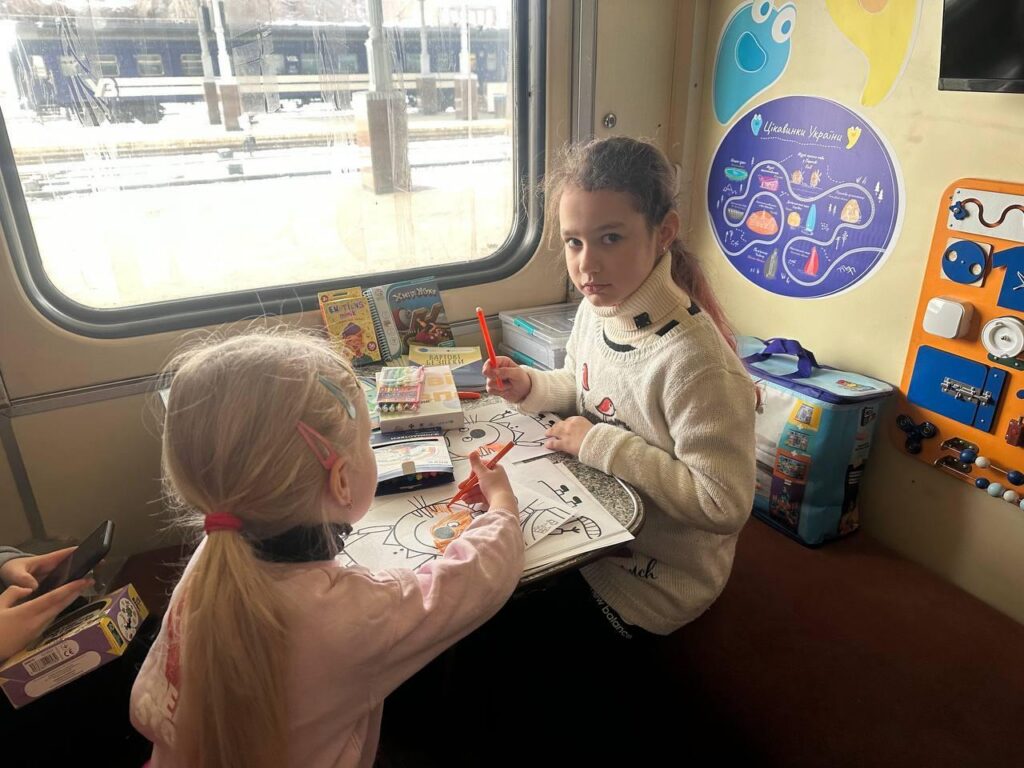
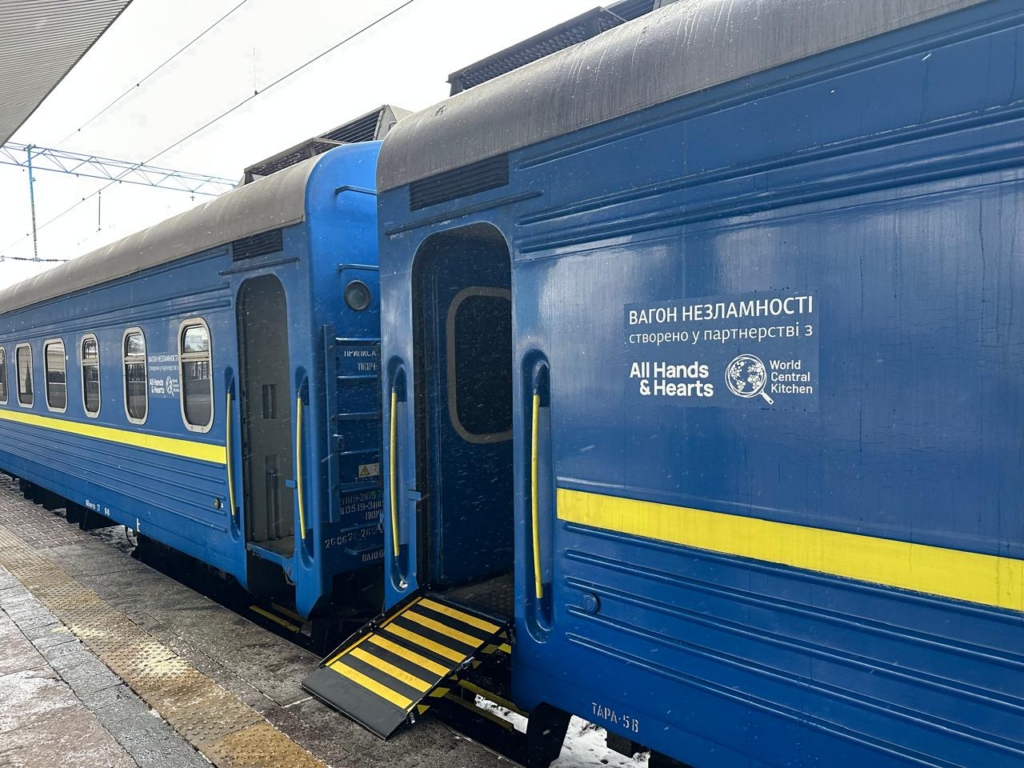
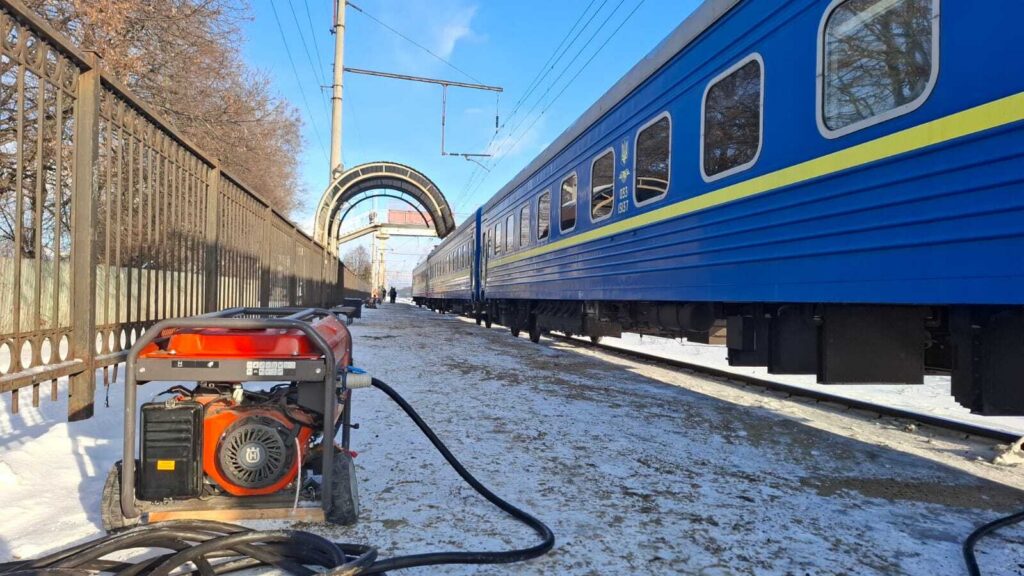
As attacks on Ukraine’s energy infrastructure increased this winter and their energy crisis deepened, we expanded our response through the development of Invincibility Train Cars, mobile warming hubs designed to reach communities in need.
These retrofitted rail cars provide heated, safe spaces where families can warm up, charge their devices, access internet and information, and perhaps most importantly, find brief relief from the physical and psychological toll of winter.
As we continue developing these train cars, they represent an evolution of our work by combining infrastructure, mobility, and psychosocial support in one adaptable solution.
Stay tuned as we continue to expand these hubs and deepen their impact.
Warming Tents and “Points of Invincibility”
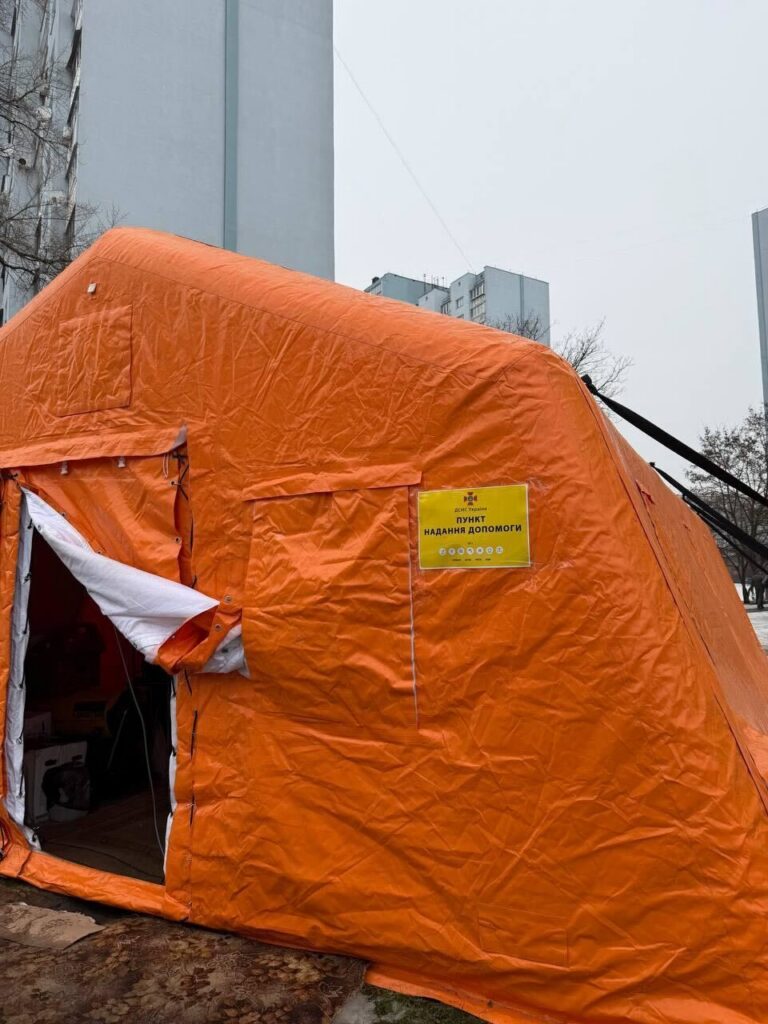
Across Kyiv, the State Emergency Service of Ukraine (SES) has established warming tents, known locally as “Points of Invincibility.”
There are 98 warming tents across the city, operated directly by SES. These heated spaces are open 24/7, offering electricity to charge phones, internet access, warm tea, and a temporary refuge from the cold.
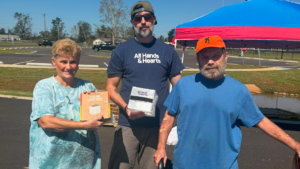
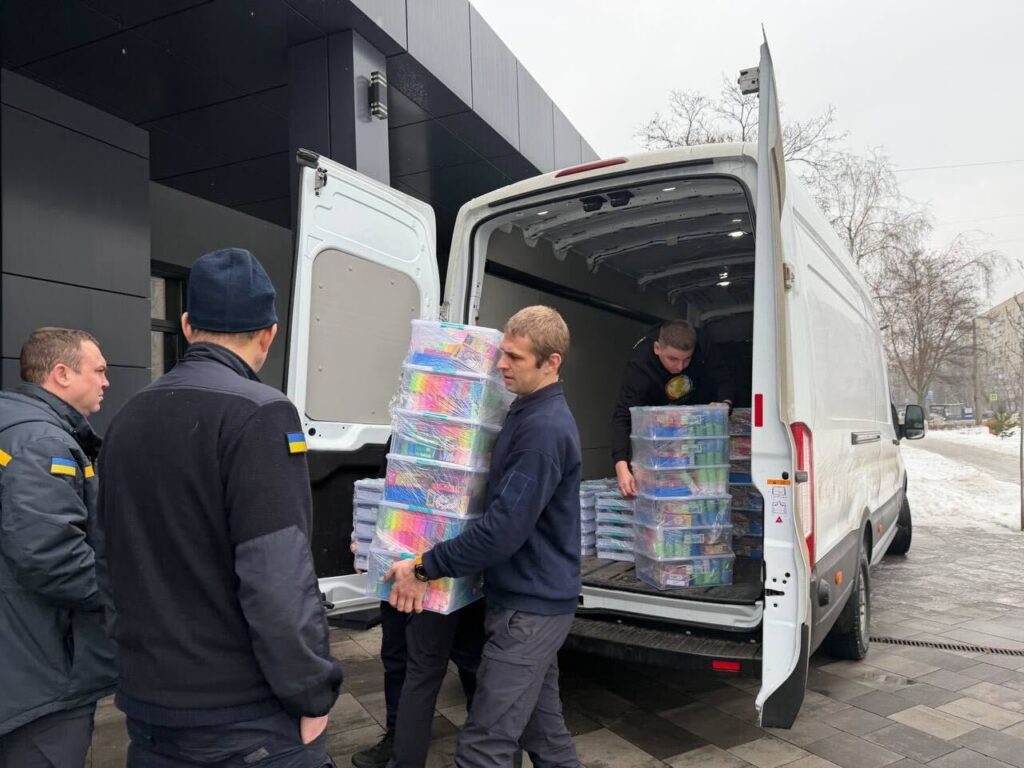
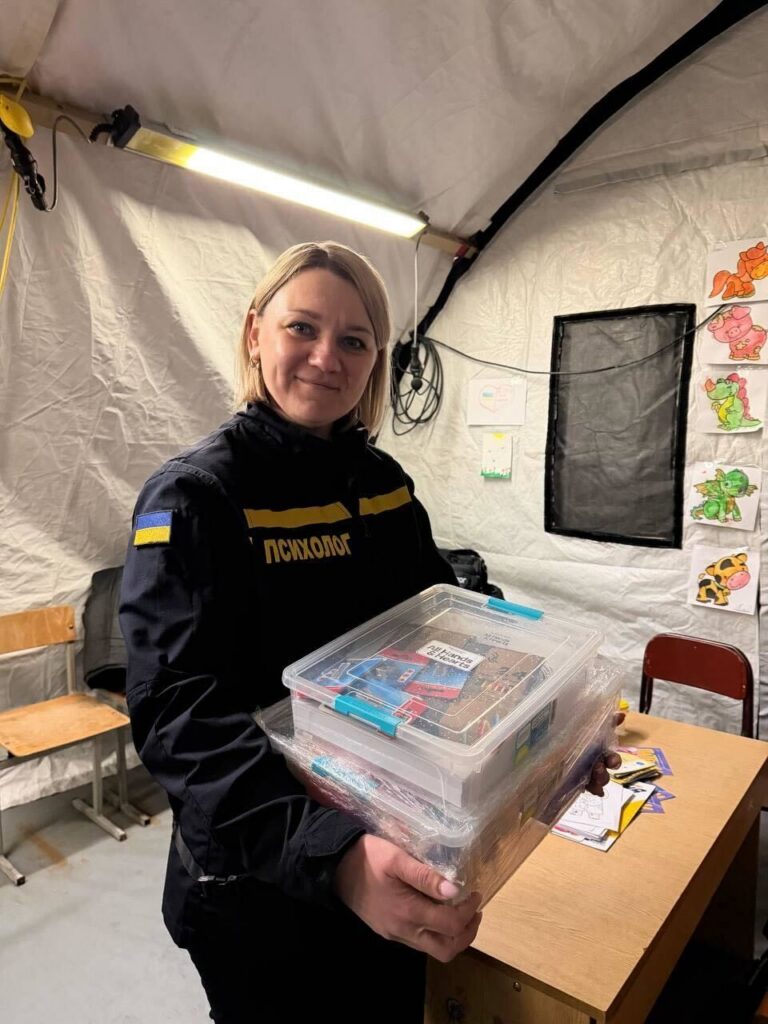
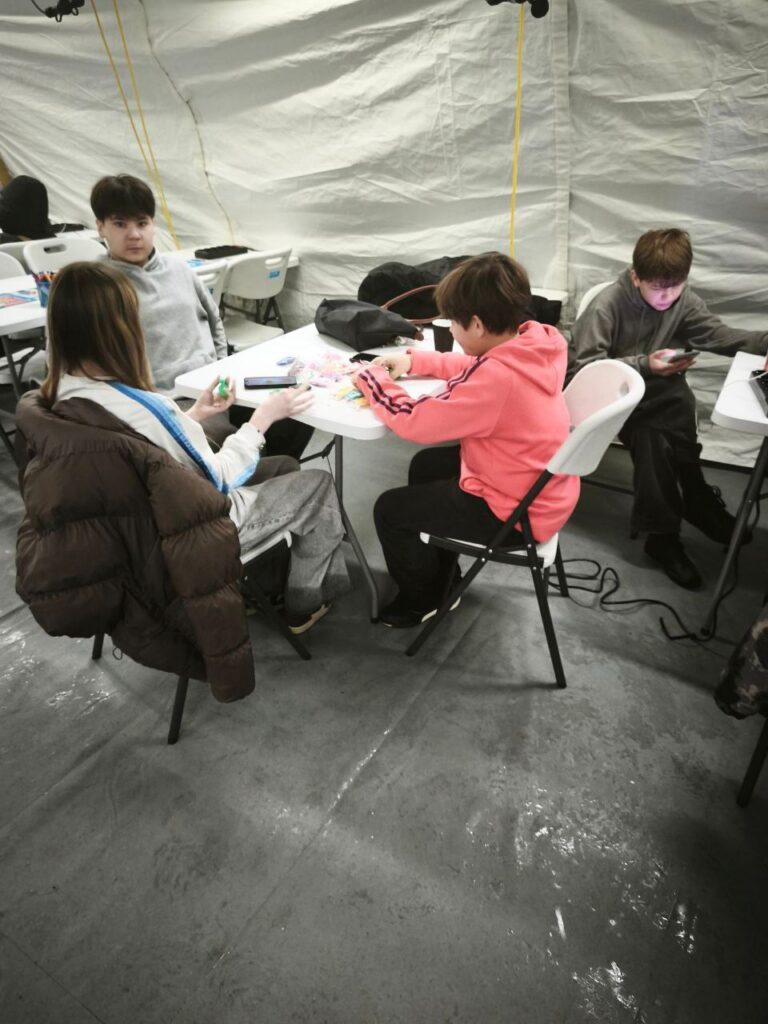
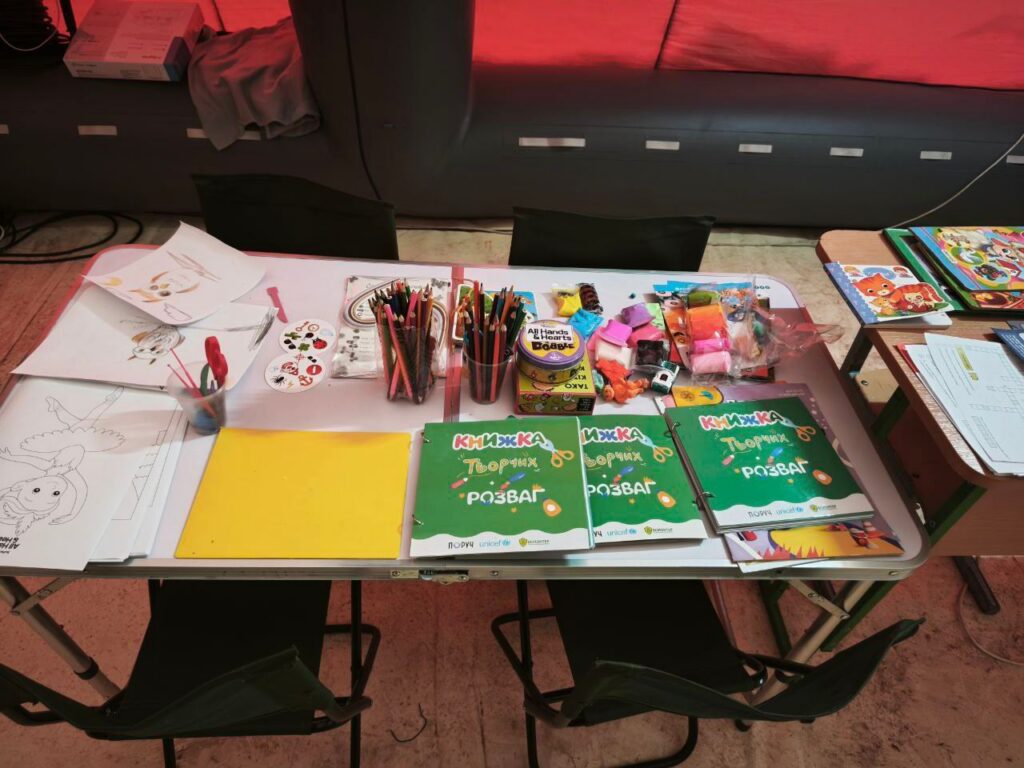
In partnership with SES, we have most recently been providing children’s kits to these warming tents. Drawing materials, games, and creative supplies help children find moments of normalcy amid air raid sirens and freezing temperatures.
Even a small kit for play can provide respite. In these conditions, it’s so important to preserve childhood where possible.
Four Years On – And Still Holding Strong
The war has now entered its fifth year.
What began with emergency evacuations has transformed into long-term, adaptive humanitarian work, from refugee shelters in Poland to IDP dormitories in western Ukraine, to warming tents and mobile hubs in Kyiv.
With all this constant development over the years, our commitment to Ukrainian communities holds strong through the changing seasons of this war: in displacement, in freezing darkness, and in the long road toward recovery.
Four years on, Ukraine endures. We’ll do everything we can for what comes next.
Make a Difference
Please consider showing your support for Ukrainians surviving another year of conflict at home. Every donation helps fuel an adaptive response to evolving needs.
Thank you for standing with Ukraine in this great time of need.