After record-breaking storms across Hawaii, our team is in Maui and O’ahu, where we’ve been working closely alongside local partners to support communities as they face the aftermath of this newest disaster.
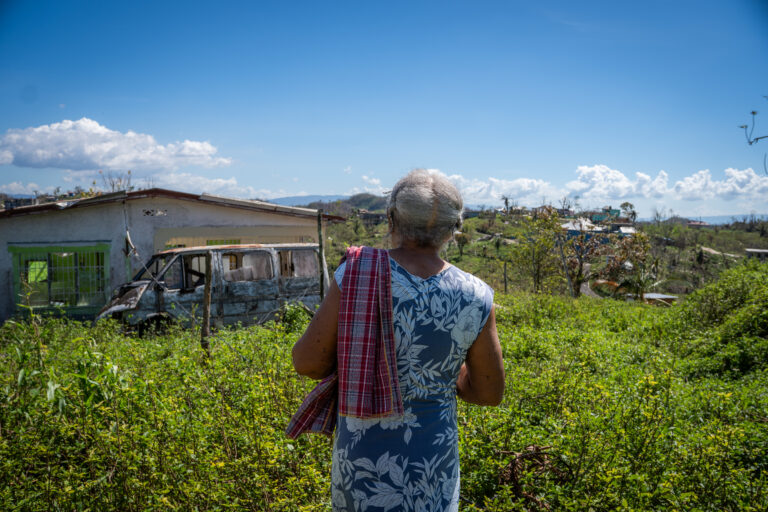
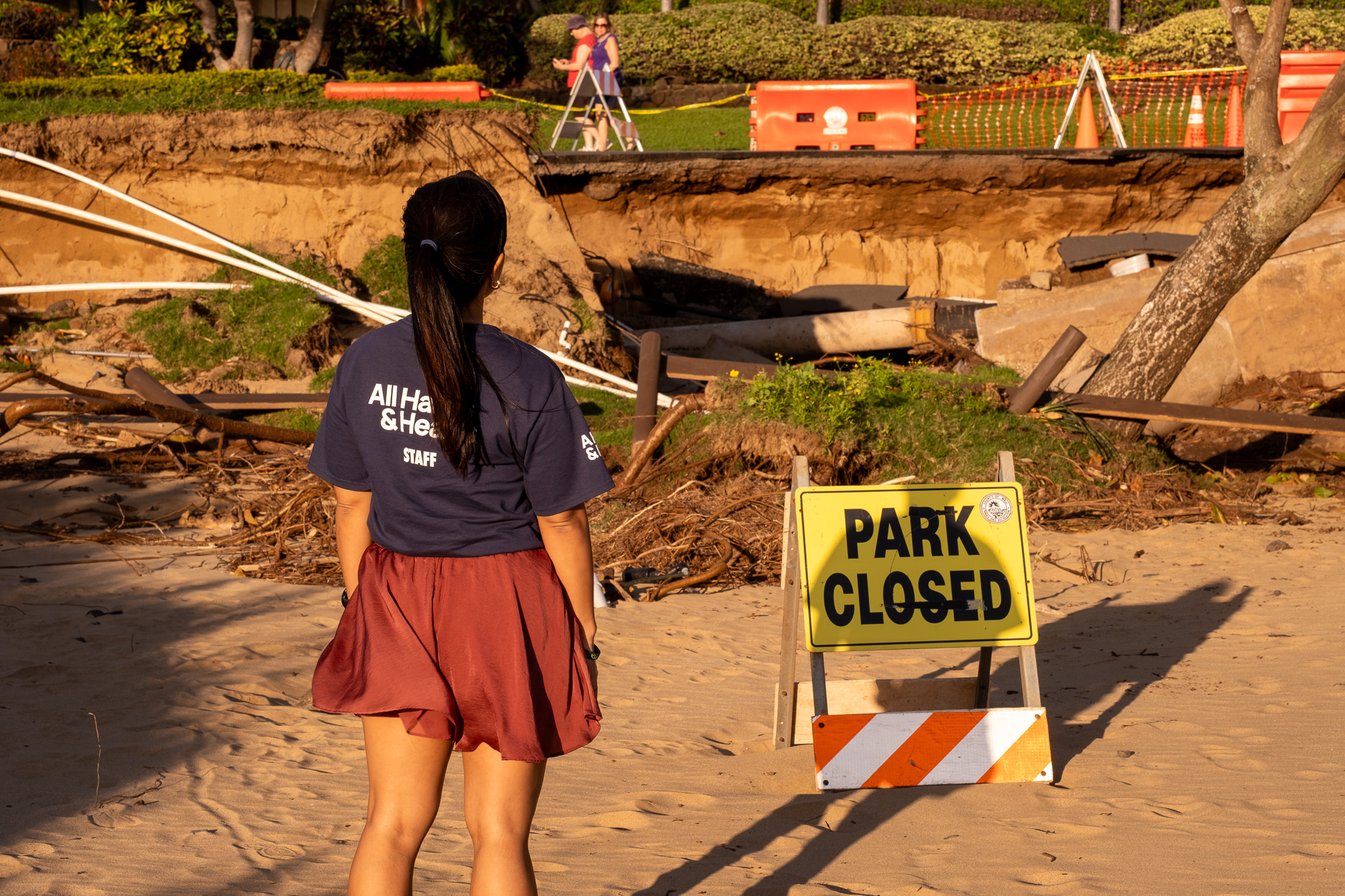
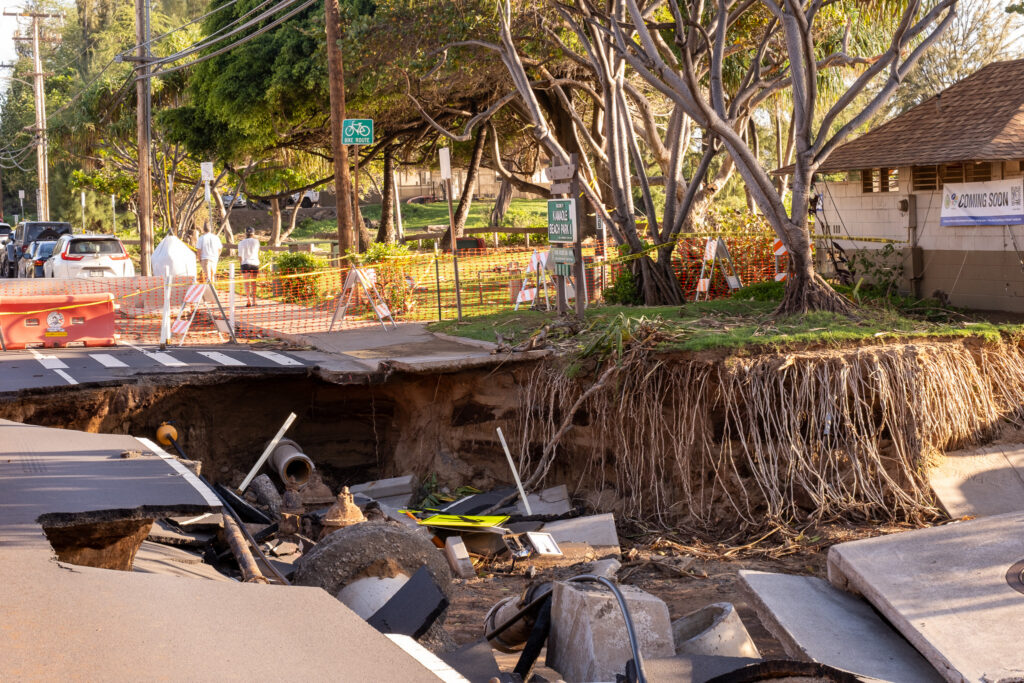
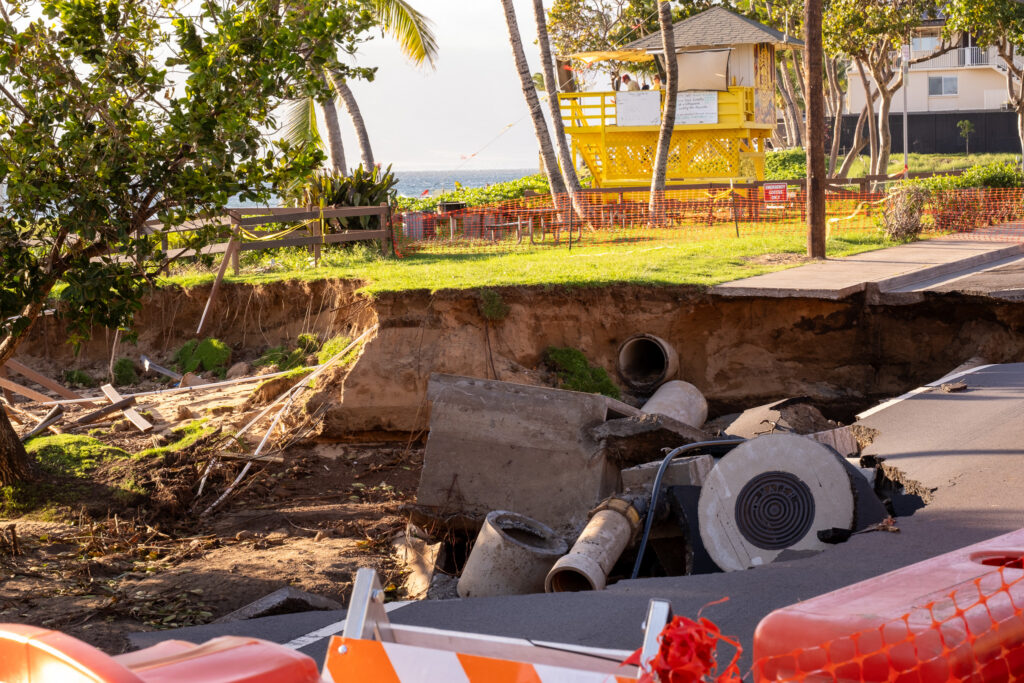
In places like Kihei and beyond, the damage we’re seeing is overwhelming. Where two massive storm systems called Kona low lingered over the islands for multiple days, floodwaters have washed out roads, cut off access to entire areas, and left thousands without power. In some neighborhoods, families have seen water and mud rise up to five feet, forcing people onto rooftops to escape the flooding. Many have lost not just their homes, but the belongings that hold a lifetime of memories.
In Kahului on Maui, we’ve partnered with Nā Kiaʻi O Maui at the Lahaina Resource and Recovery Center building on the partnerships and trust established during our wildfire response just a few years ago. Together, we’re supporting a powerful, community-led effort to help families begin recovery. Their team, led by the wonderful Aunty Nettie, is already coordinating an incredible network of support, including 15 shipping containers filled with essential cleanup supplies for thousands of survivors.
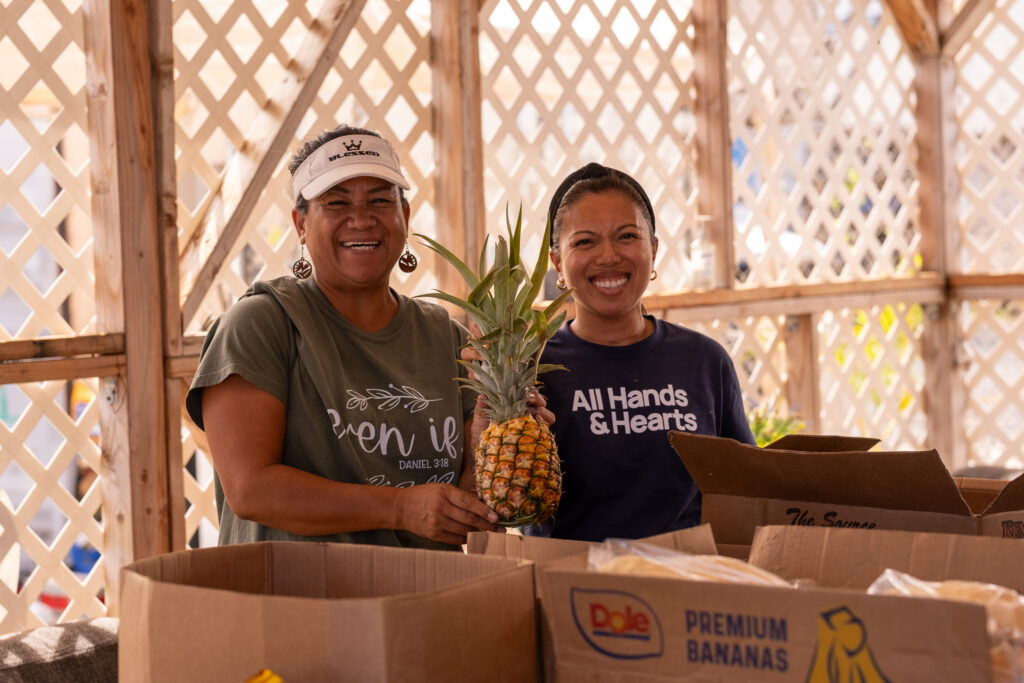
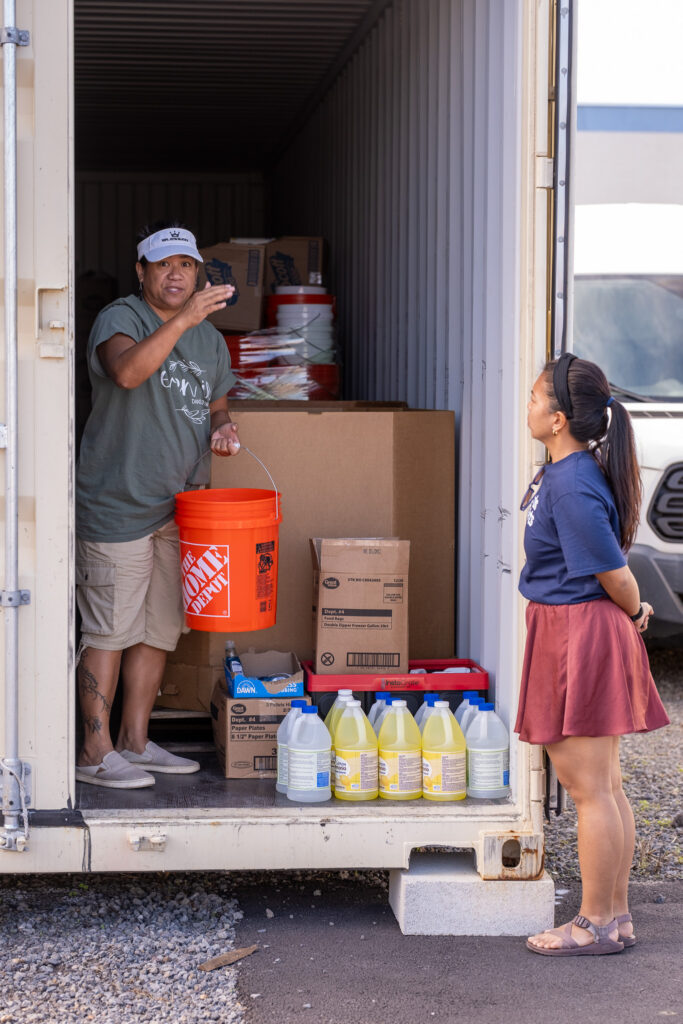
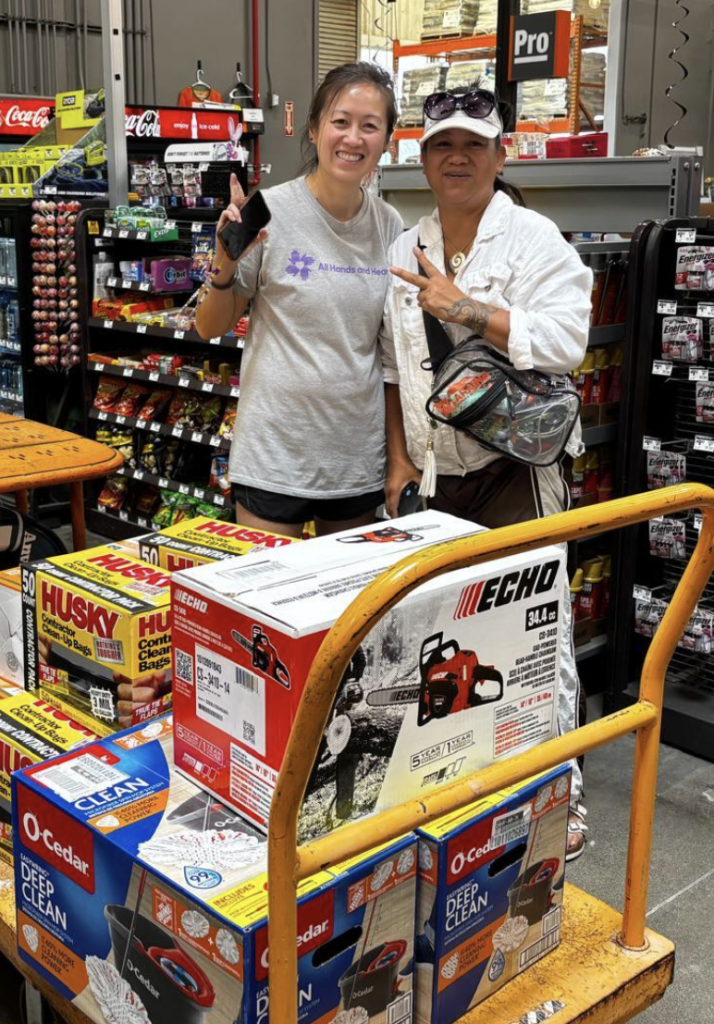
Together, we’re helping source and deliver critical tools and materials, including things like shovels, buckets, wheelbarrows, protective gear, and first aid kits, so families have a safe starting point for their home and business repairs.
These supplies will also help prepare muck-out kits and establish a tool library that community members can rely on in the weeks and months ahead. Across this effort, one message stands out, painted on the side of Aunty Nettie’s distribution truck: “No Nā Kanaka” (For the People). It’s a reflection of the collective spirit driving recovery forward.
We made another supply run with Aunty Nettie to gather critical materials for Molokaʻi, an island that has been quietly facing a major crisis with very little outside support or media attention. Cleanup supplies like saws, shovels, pressure washers, and contractor bags are now on their way by boat, helping families begin recovery in communities that have largely gone unseen.
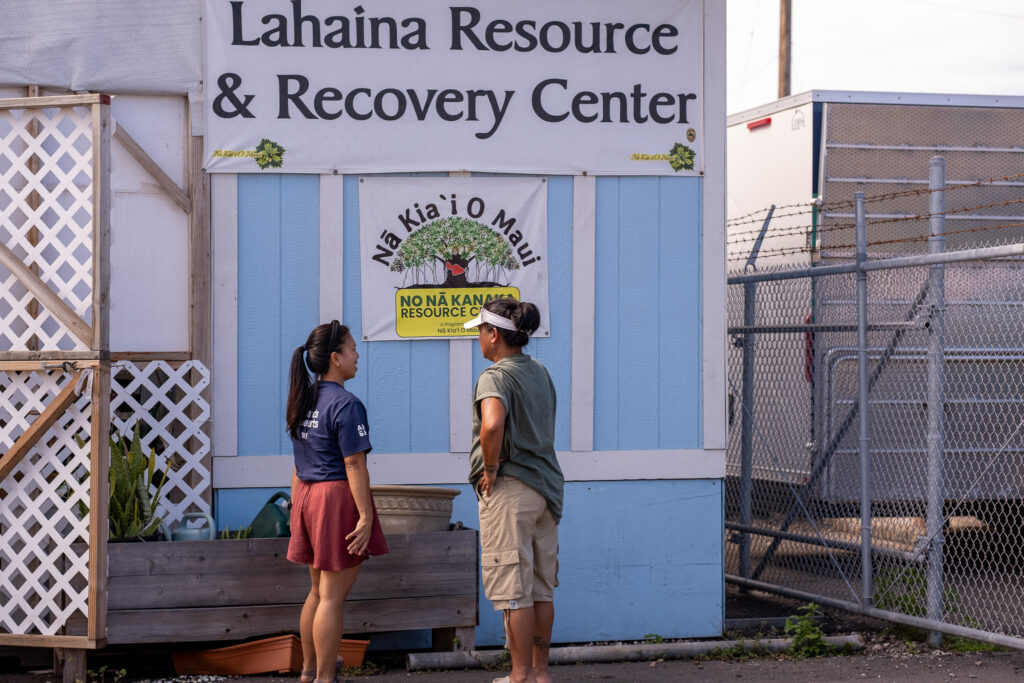
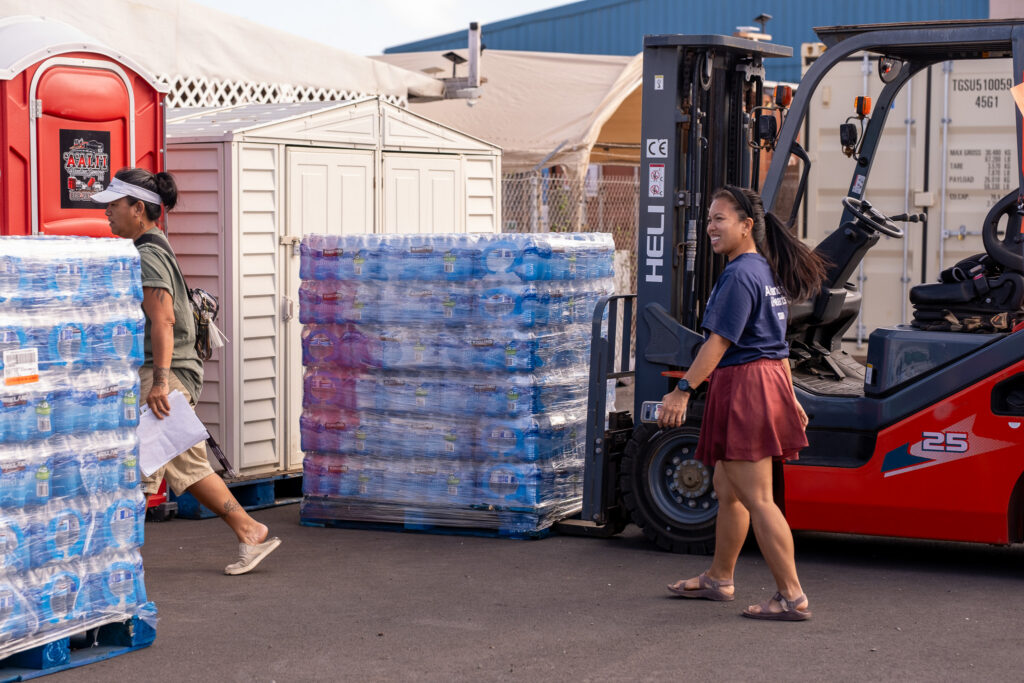
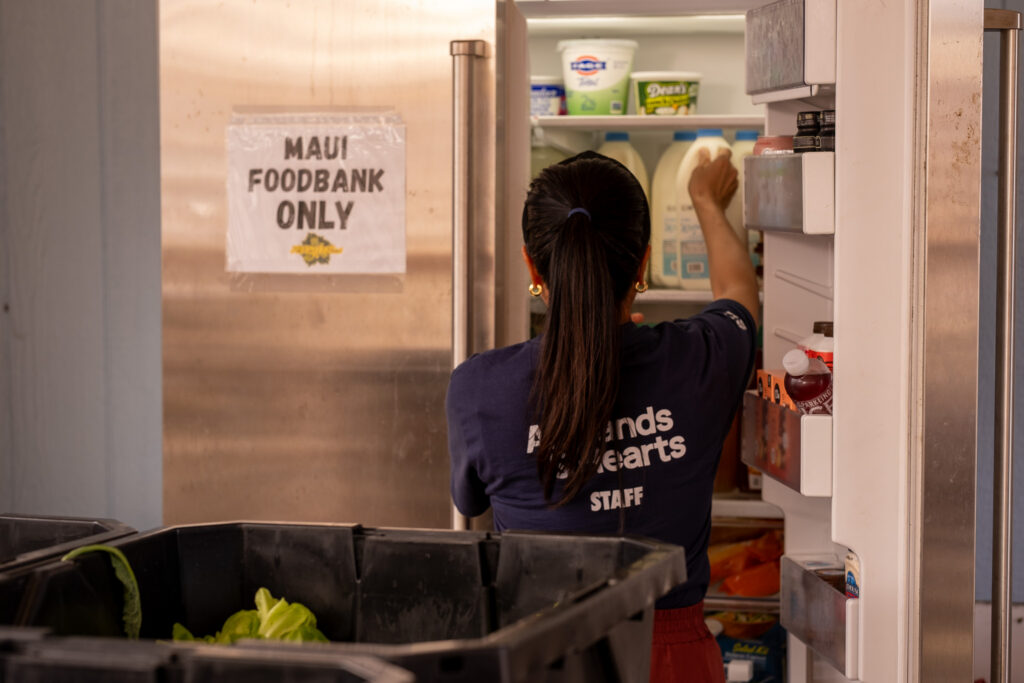
At the same time, our response is expanding. Team members are now on Oʻahu, where AH&H is assessing impacted areas and connecting with local organizations involved in recovery. Additional team support and essential equipment are arriving to help scale our efforts in the days ahead.
These distributions are the starting point, but right now, they mean everything. They mean the ability to return home, begin clearing what’s been lost, and start moving forward.
Make a Difference
We’re just at the beginning of this response, and the need is still growing. Your support allows us to continue showing up by working alongside communities, supporting local efforts, and doing everything we can in the coming weeks to help families recover.
Thank you for supporting families in Hawaii.