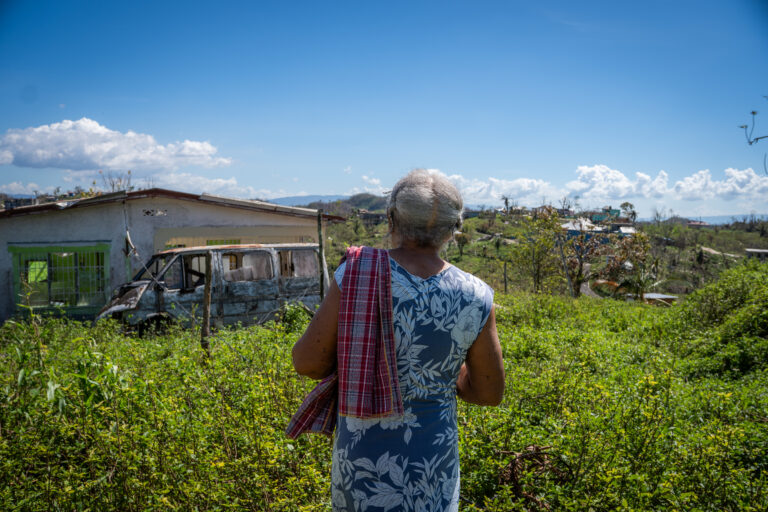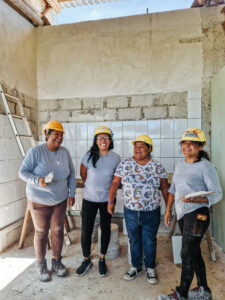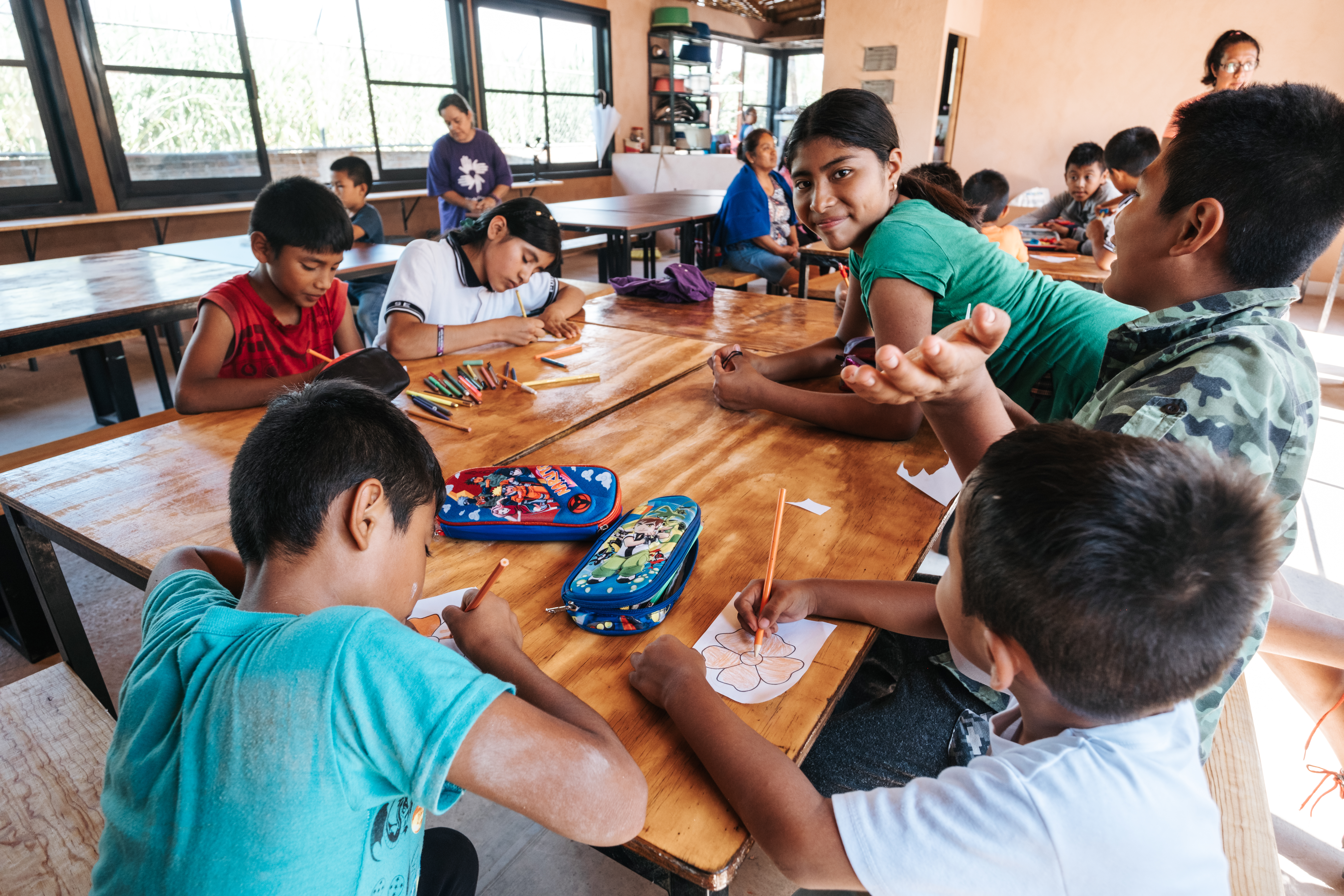
“Education is a right. Not only is it important to have good teachers, but also the proper conditions in which children study. This is our children’s second home.”
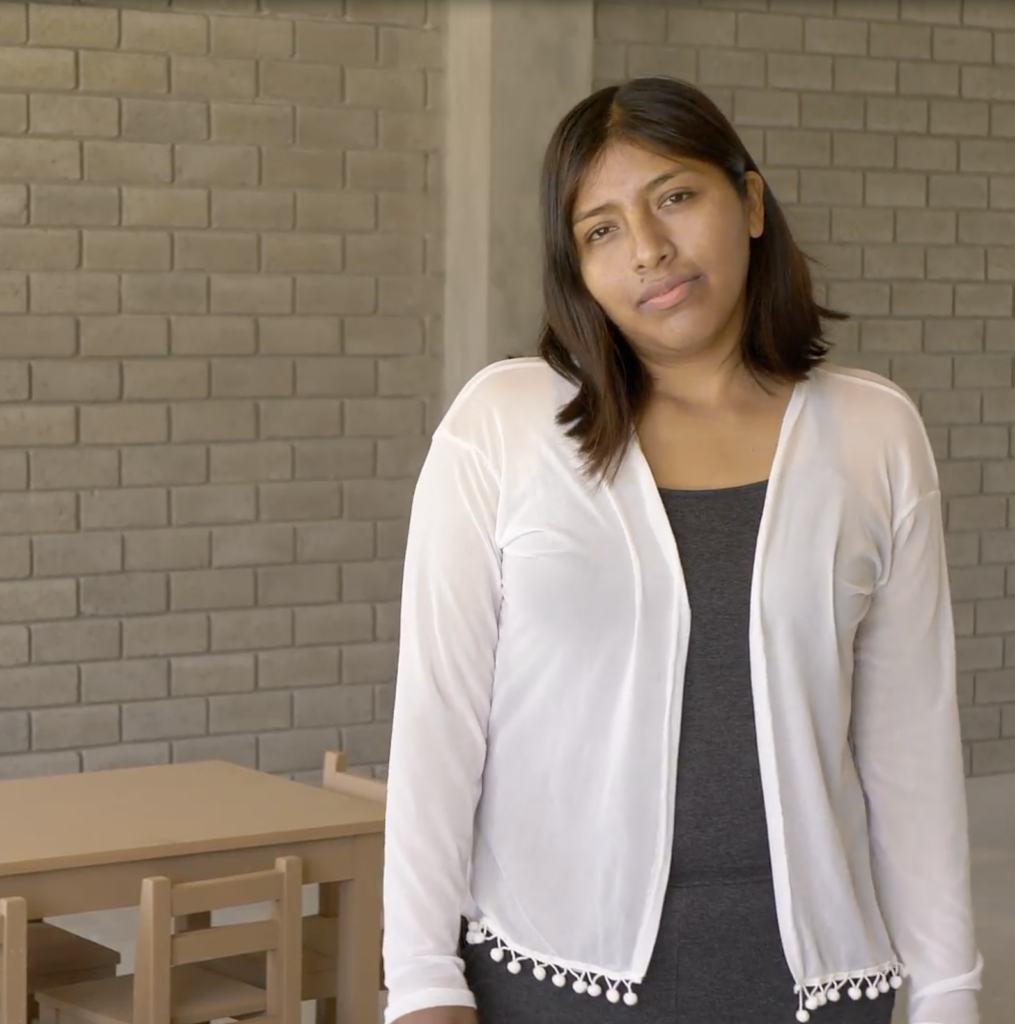
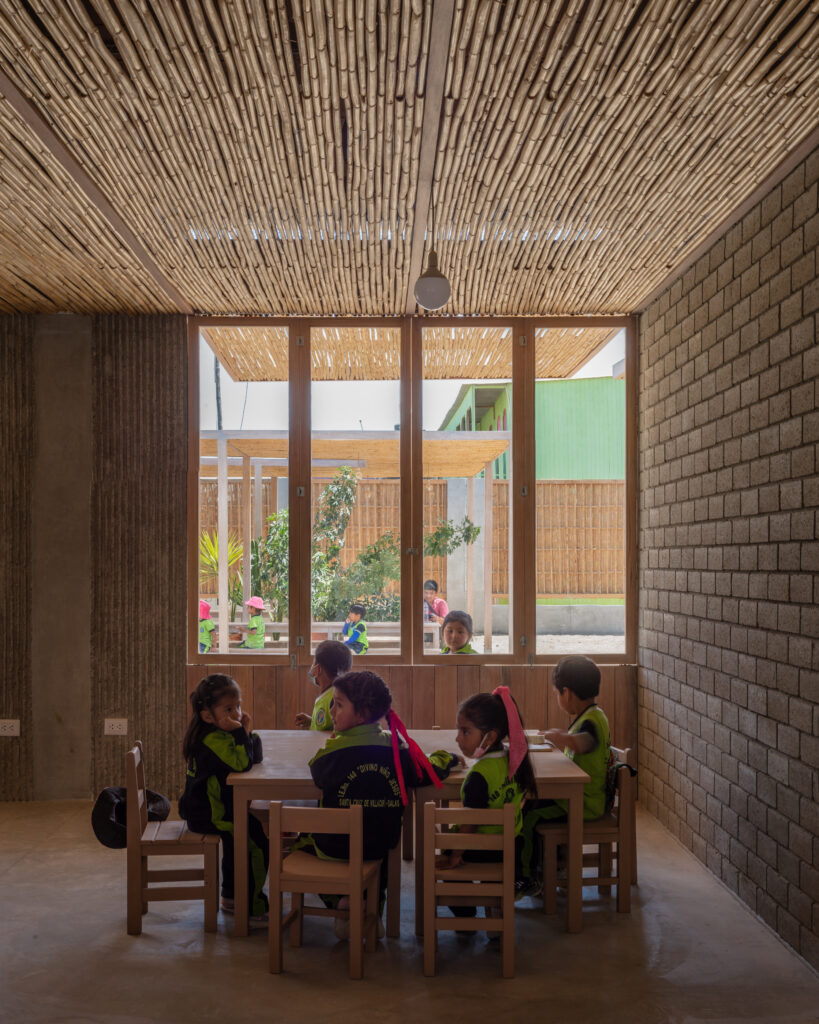
These words come from Katherine (above), a teacher in Peru whose school we rebuilt in 2022, and someone we’re still in regular contact with today.
Tomorrow is International Day of Education, a moment to reflect on access to learning, and on what happens when that “second home” is damaged, unsafe, or completely destroyed.
In disaster-affected communities, schools are often overlooked in recovery efforts as attention focuses on immediate needs like shelter, food and power. While those first steps are critical, the result is often that classrooms remain unsafe or unusable for months or even years. When children are kept out of school, the impacts ripple far beyond education, in fact slowing recovery for entire families and communities.
At All Hands & Hearts, we work to get kids back to school. We’ve seen time and again that when students return to safe, healthy learning environments, communities begin to heal. With children back in classrooms, parents can rebuild homes and livelihoods, routines are restored, and communities can move forward together.
Here’s how our education work is unfolding today, across three countries.
A New Chapter Begins in the Philippines (Launching March 2026)
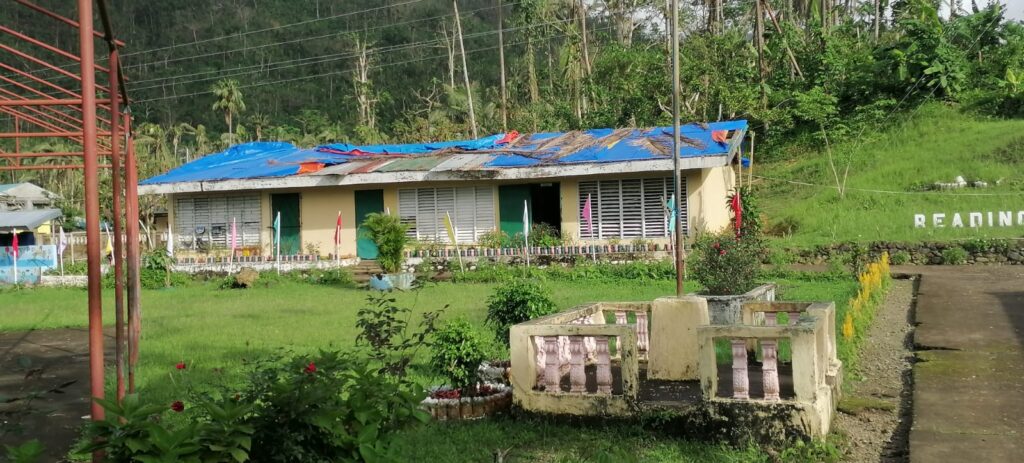
On Catanduanes, often called the Typhoon Capital of the World, we’re preparing to transform Salvacion School, where many students currently learn in unsafe or makeshift classrooms that have been battered by decades of storms.
Today, the school includes a mix of aging permanent buildings from the 1970s, unsafe structures no longer in use, and makeshift classrooms and canteen spaces pressed into service for young learners. These conditions make consistent, safe learning difficult, especially as typhoons continue to intensify.
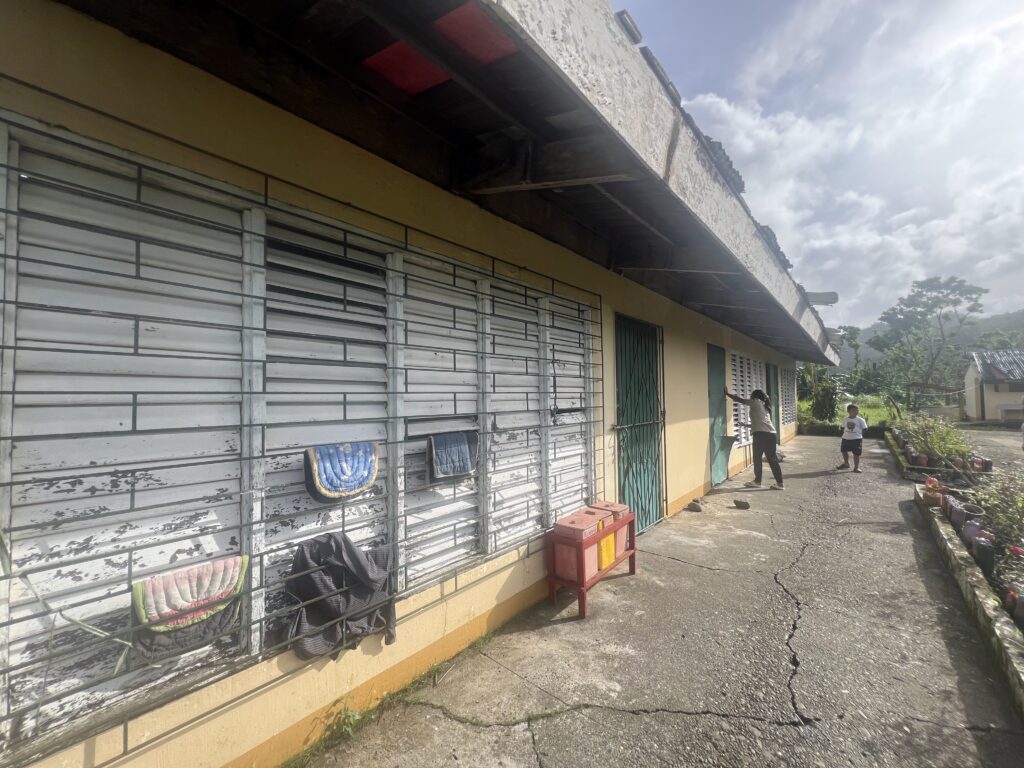
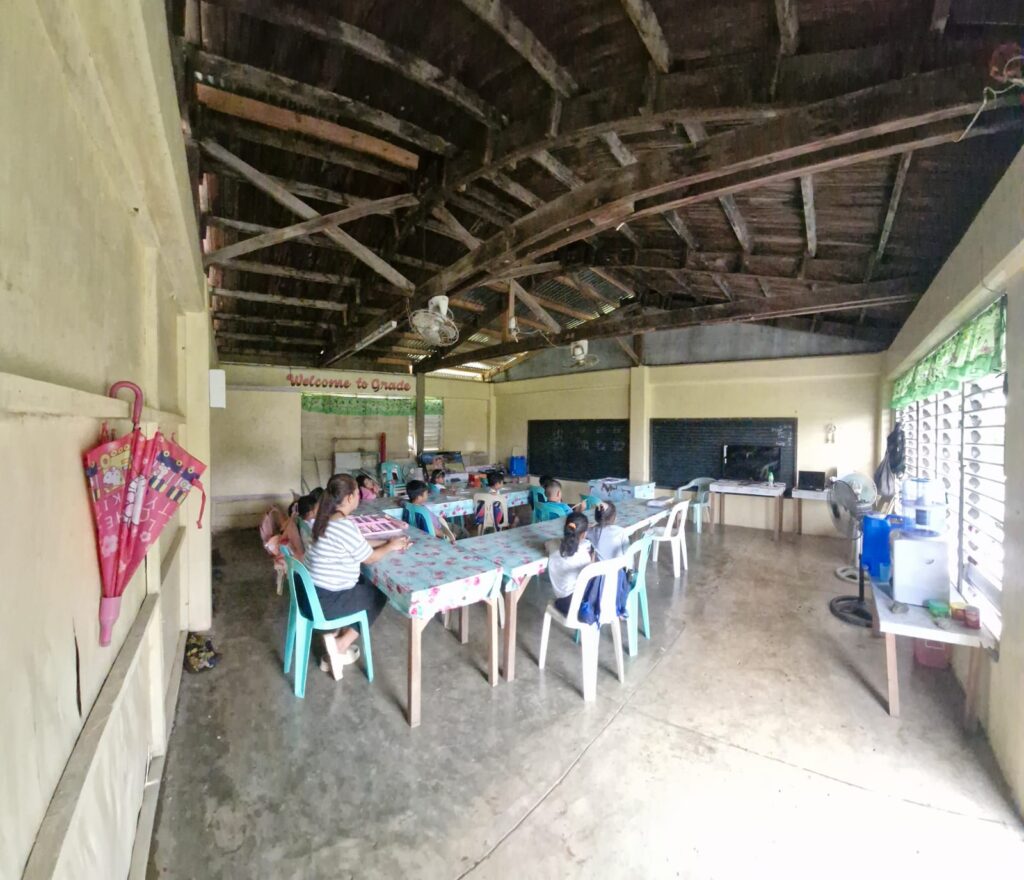
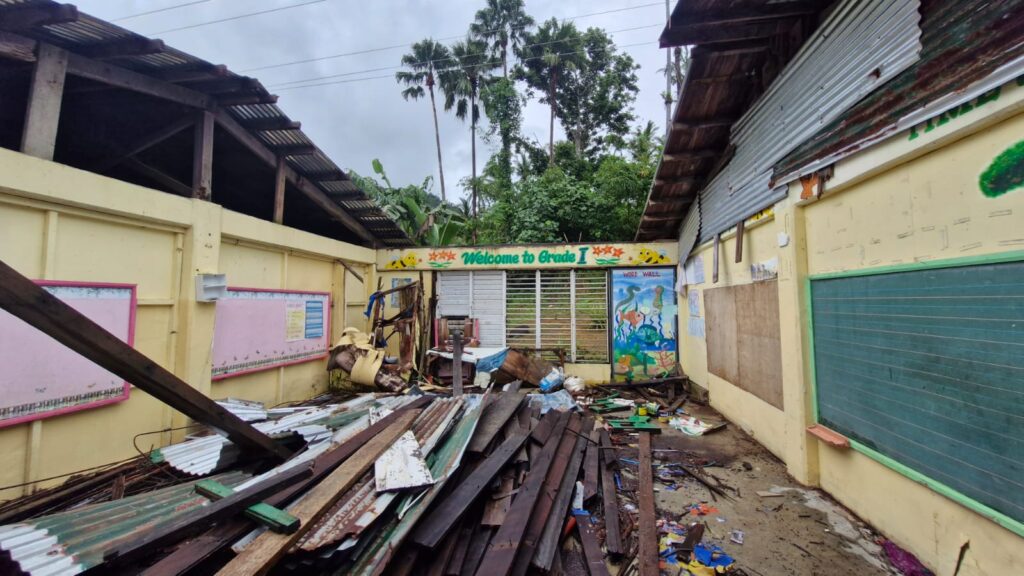
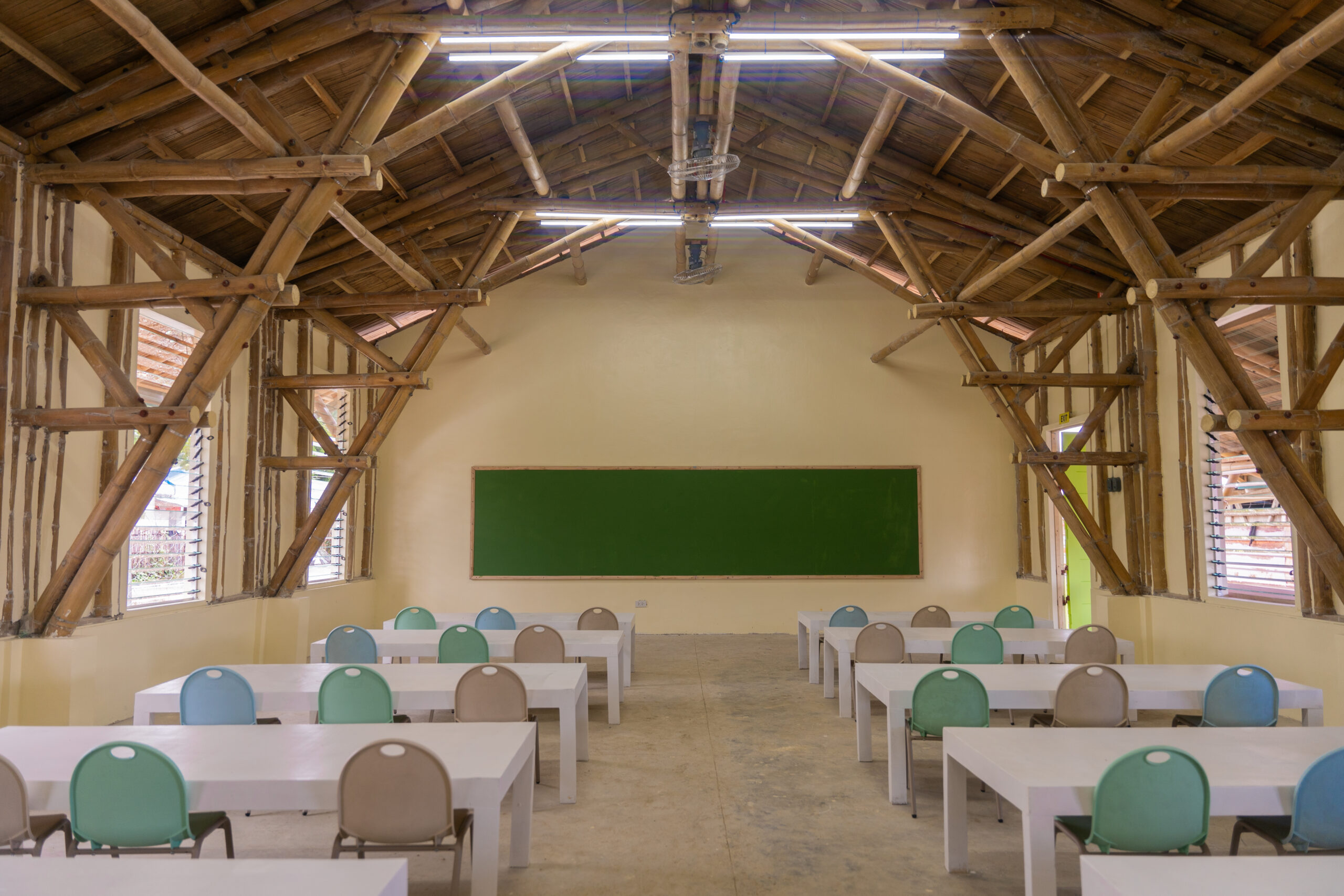
Beginning in March 2026, we will replace these structures with disaster-resilient classrooms built using engineered bamboo.
This innovative construction method combines traditional bamboo techniques with modern engineering to create structures that are:
- Earthquake- and typhoon-resistant (withstanding winds up to 340 km/h)
- Built using locally abundant, fast-growing bamboo
- Up to 60% lower in carbon footprint than conventional construction
The project will also include:
- A new sustainable canteen and improved bathroom facilities
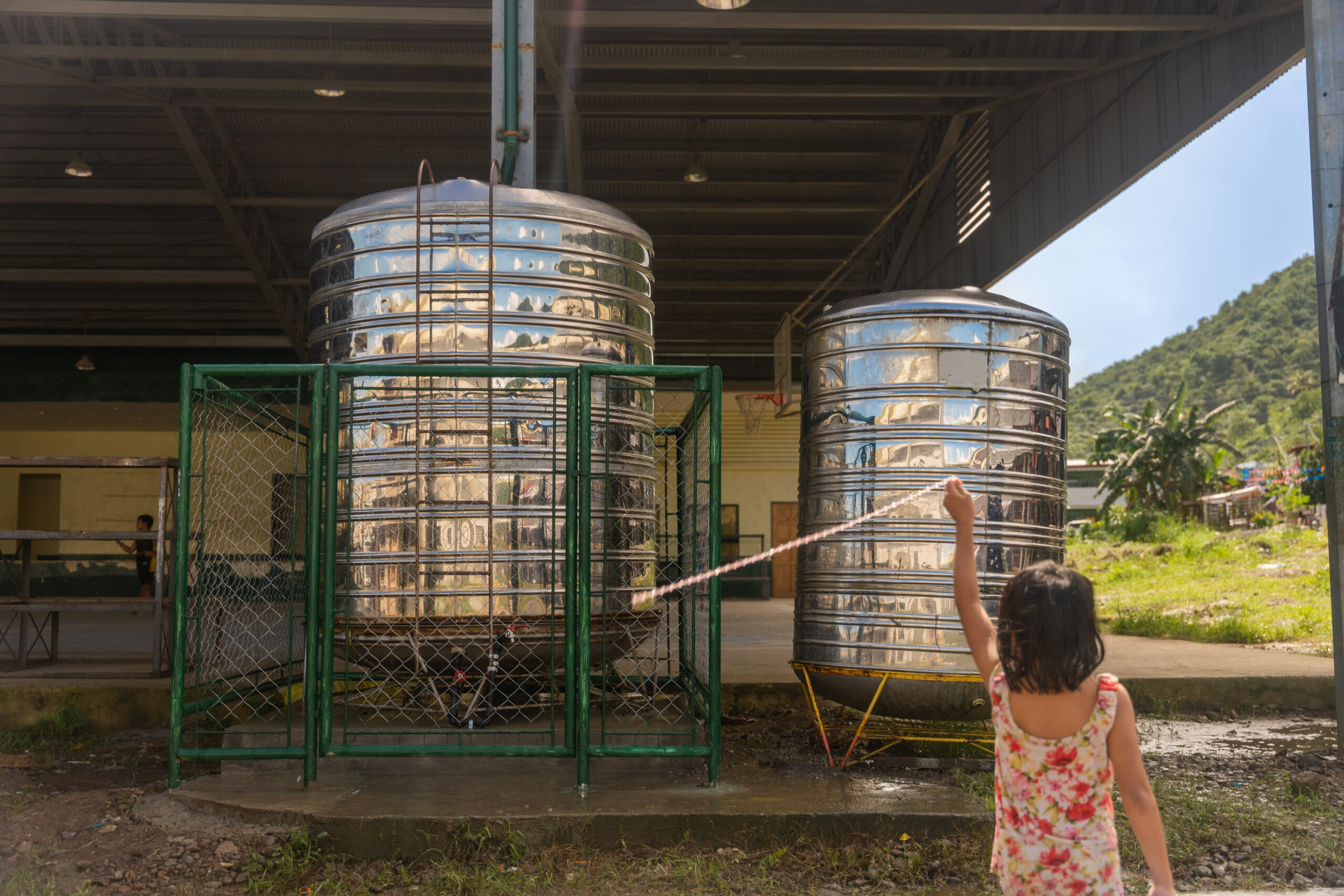
- Biosand water filtration systems and drinking water stations
- Water harvesting systems to support sanitation and hygiene
And, our work will go beyond constructing buildings.
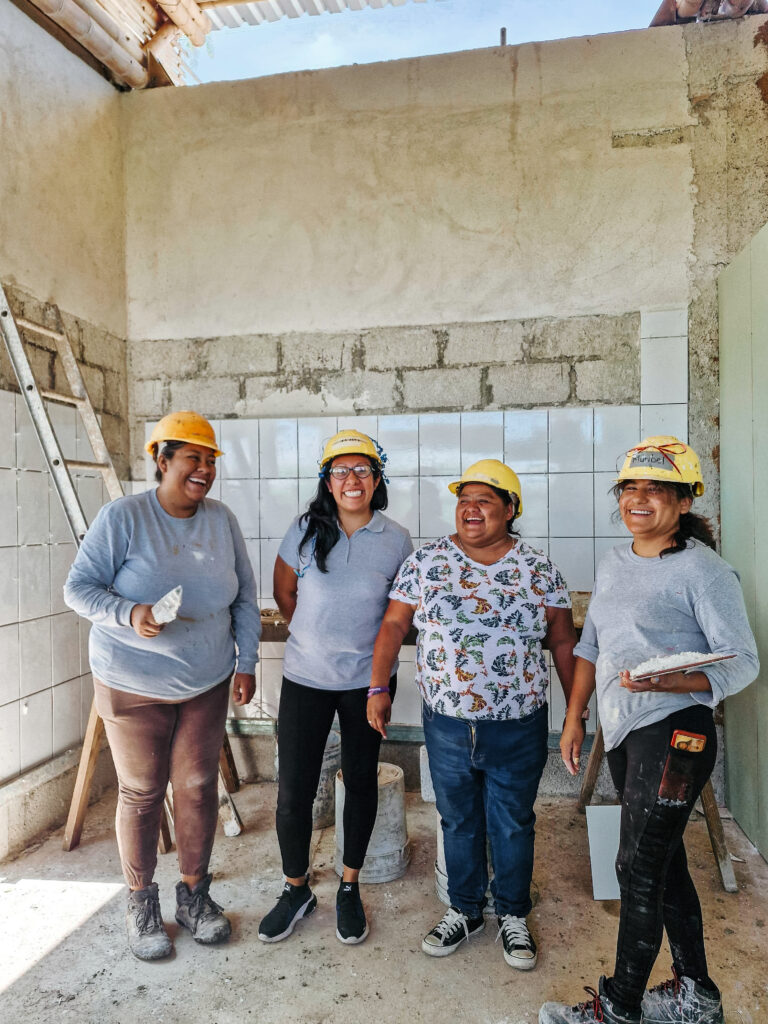
Together with our local partner Streetlight, we’ll continue community-based trainings in Disaster Risk Reduction, Child Protection, and WASH, strengthening safety and well-being across the school community. Women from Salvacion’s local community will also participate in our Female Mason Training Program, gaining theoretical and hands-on construction skills that open pathways to economic independence and leadership.
Because play matters, too, Salvacion’s students will help design their own “dream playgrounds”- joyful, inclusive spaces that promote connection and therapeutic play after repeated disasters.
Clean Water, Stronger Schools in Mexico
In Santa Ana Necoxtla, Mexico, the next phase of our education work begins with a basic, but often overlooked, need: access to clean water.
For years, unreliable and poor-quality water has shaped the school day for students at Amado Nervo High School and Miguel Hidalgo y Costilla Primary School. The fear of using water directly from the tap affects everything from handwashing to meal preparation, with direct consequences for health, attendance and learning.
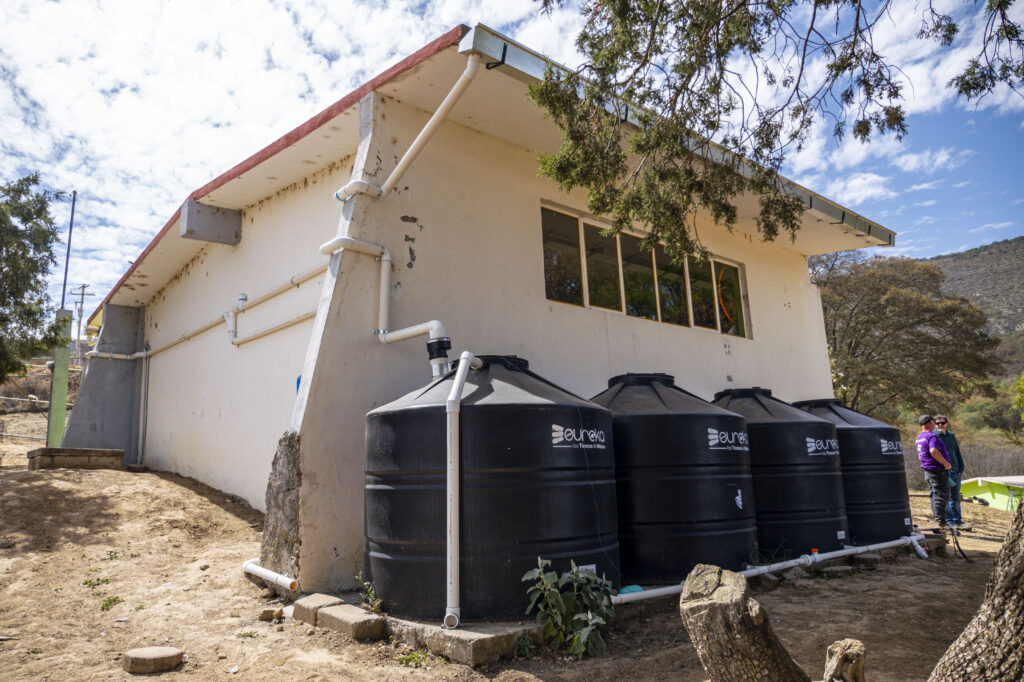
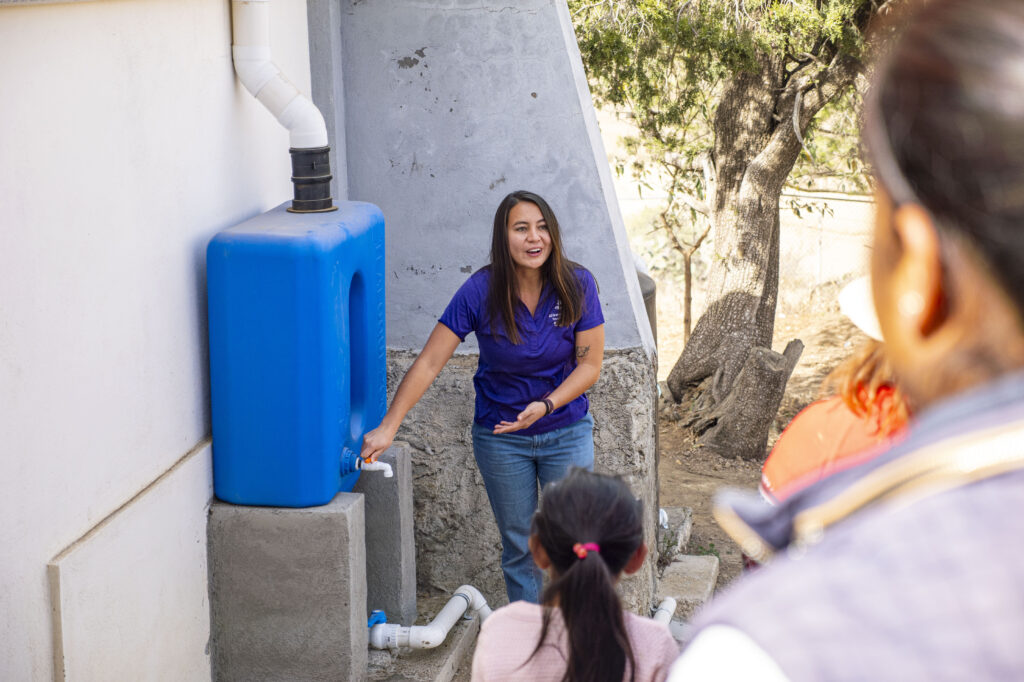
Working alongside our partner Isla Urbana, a Mexican organization specializing in rainwater harvesting systems, we’re installing comprehensive systems that:
- Capture rainwater from large school rooftops
- Store water in dedicated tanks
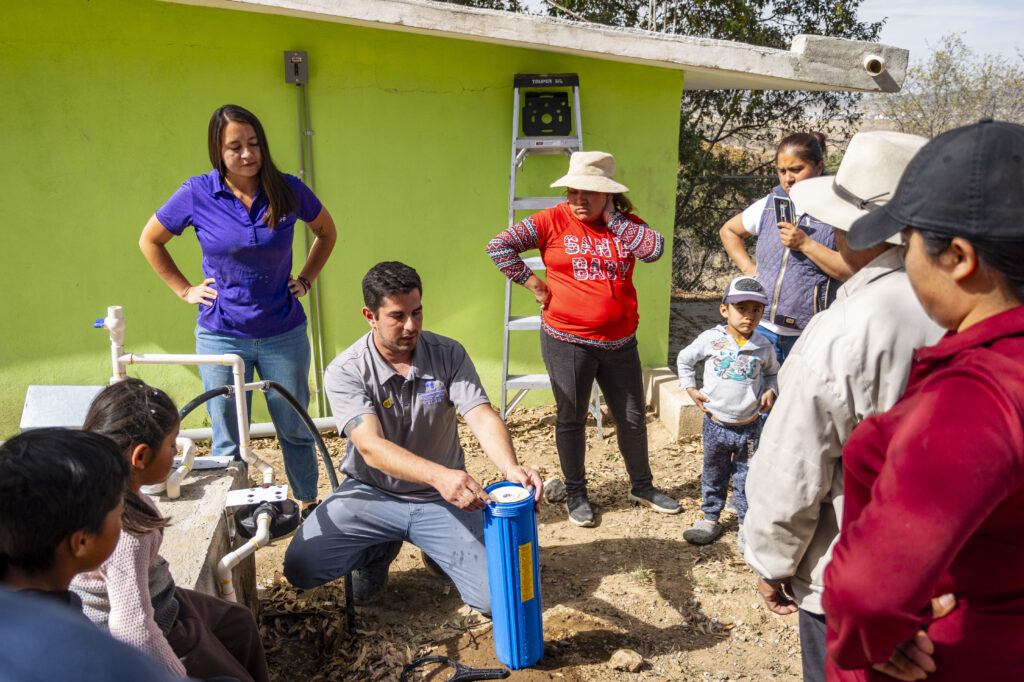
- Filter and chlorinate water to ensure it’s safe for drinking and daily use
These systems will supply:
- Drinking fountains
- Kitchen and toilet water connections
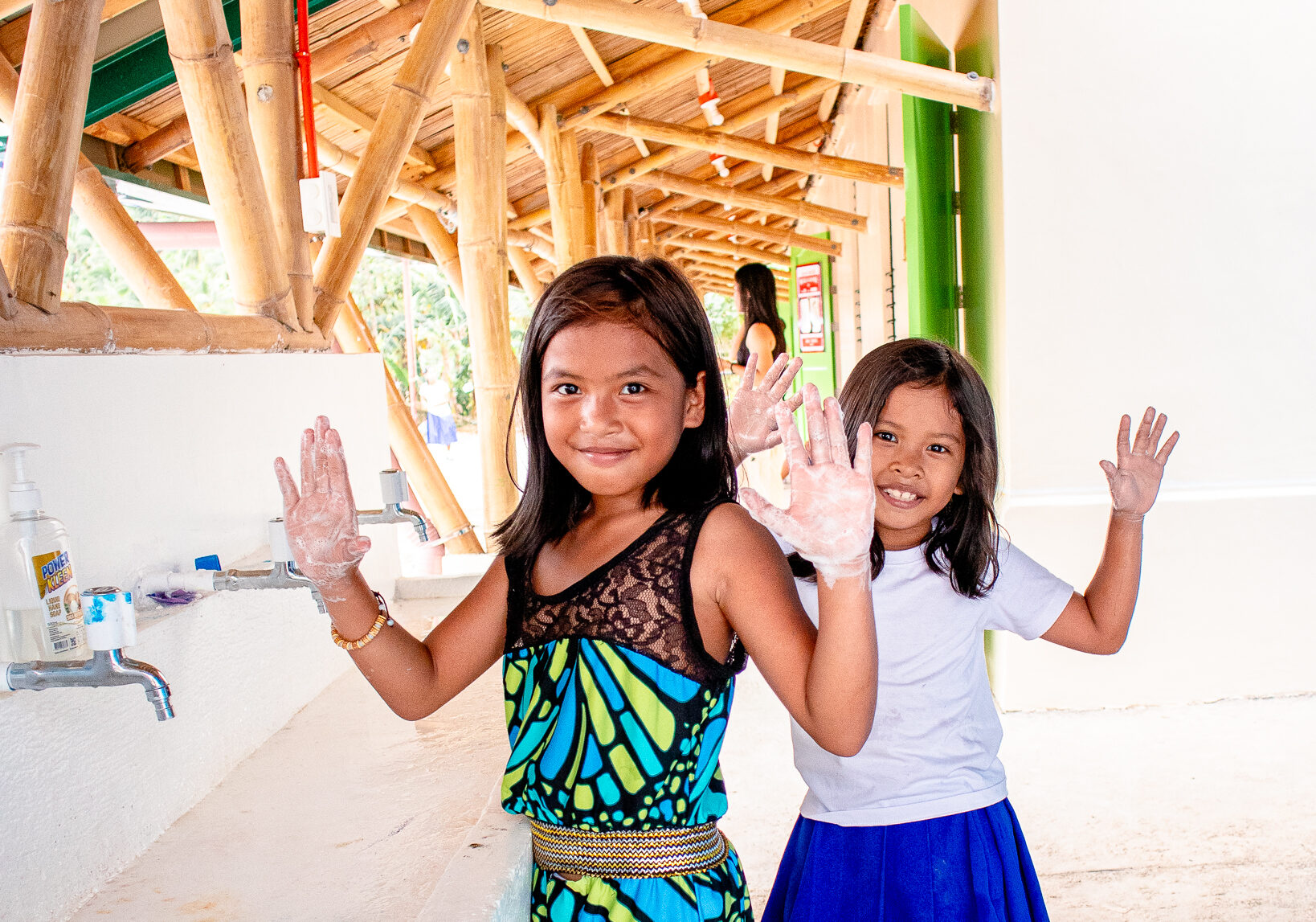
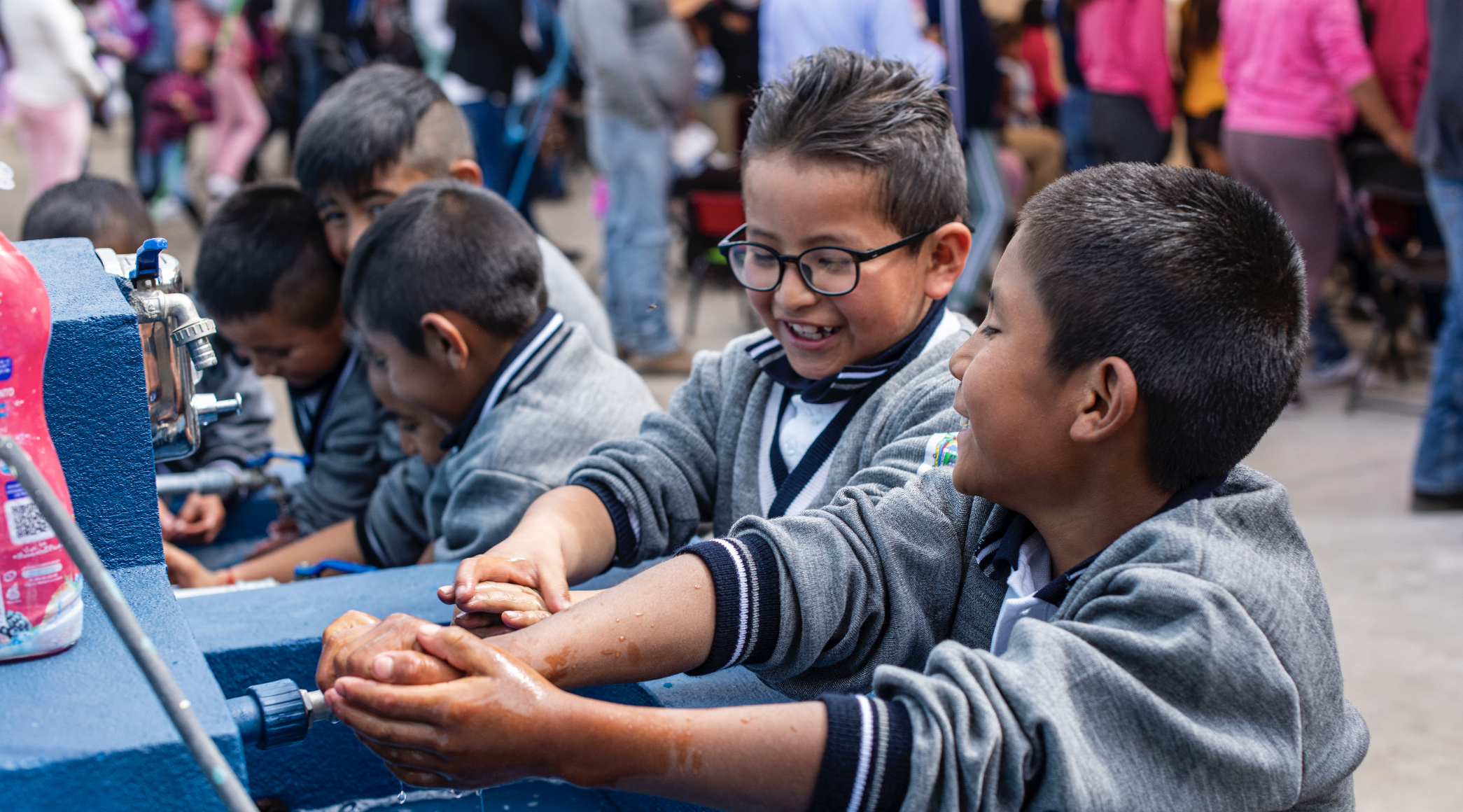
- Handwashing stations across school grounds
Long-term sustainability is key here. Students, teachers, parents, and community members will participate in trainings on water conservation, hygiene, menstrual health, and system maintenance, ensuring schools can manage and care for these systems well into the future.
Through partnerships with organizations like CONCENTRARTE and our psychologist Ana Bedwell, students will also engage in broader well-being workshops, reinforcing that safe schools are about both infrastructure and care.
Progress in Full-Swing for Disaster-Resilient Schools in Nepal
In Nepal, we’re nearly halfway through our 31st in-country program that we launched in November 2025, ten years after the 2015 earthquakes left many schools unsafe and unusable.
At Shree Basic School in Jhunga and Shree Nabajyoti Secondary School, children and educators have lived with unsafe learning conditions for over a decade. Today, that’s changing.
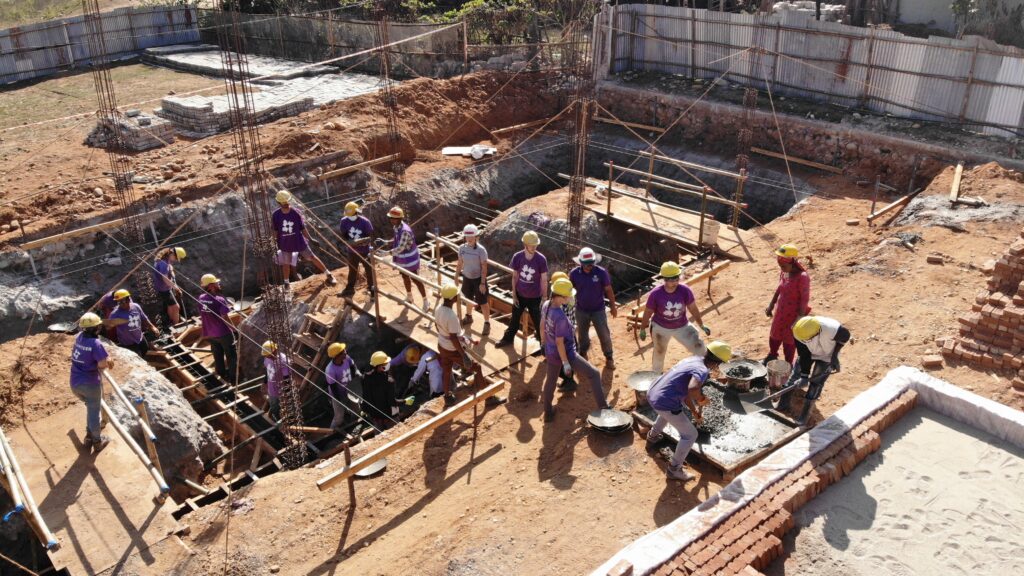
At Shree Basic School, we are:
- Constructing six new disaster-resilient classrooms
- Upgrading WASH infrastructure
- Rehabilitating the school compound
This work will bring more than 220 students and 11 staff back into safe classrooms.
At Shree Nabajyoti Secondary School, we’re improving WASH facilities by installing:
- New toilets
- Water filtration systems
These upgrades will ensure 300 students and 18 staff have access to clean drinking water and appropriate sanitation.
Both schools’ infrastructure are being built using Compressed Stabilized Earth Brick (CSEB) technology, a method that combines locally sourced soil and sand with minimal cement to create durable, environmentally responsible bricks. CSEB construction:
- Reduces transportation costs and CO₂ emissions
- Improves thermal comfort, reducing heating and cooling needs
- Increases disaster resilience through reinforced, flexible structures
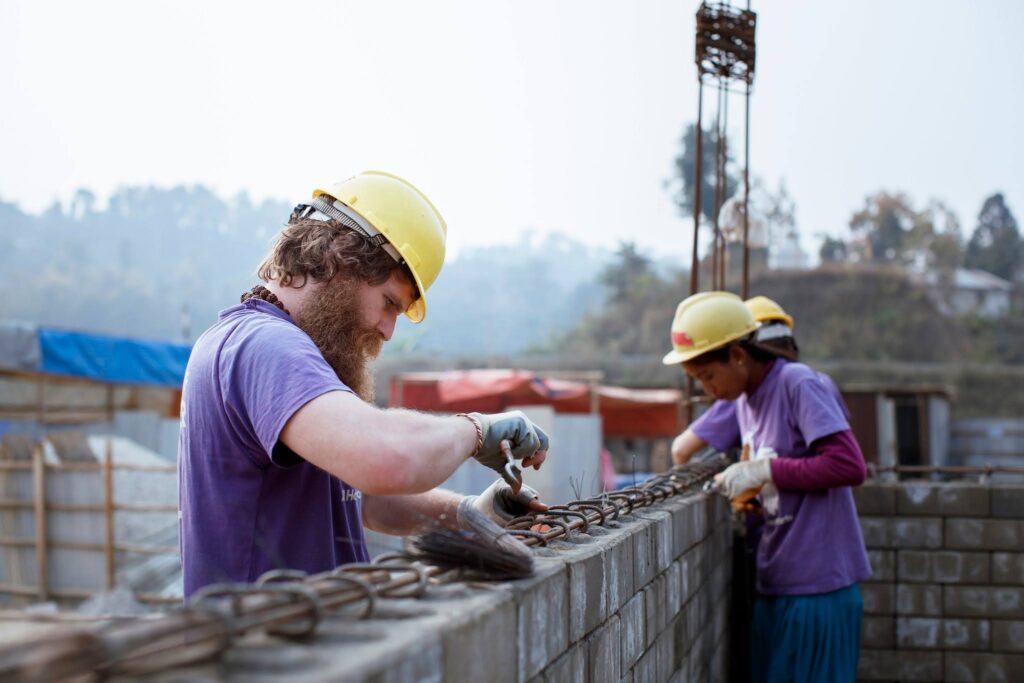
Earlier this month, we sat down with our Female Mason trainees to hear how the program is going, and their feedback said it all. From learning hands-on construction skills to working side by side with their construction leader, Master Dil, the women shared how much they’re enjoying collaborating as a team and connecting with volunteers from around the world.
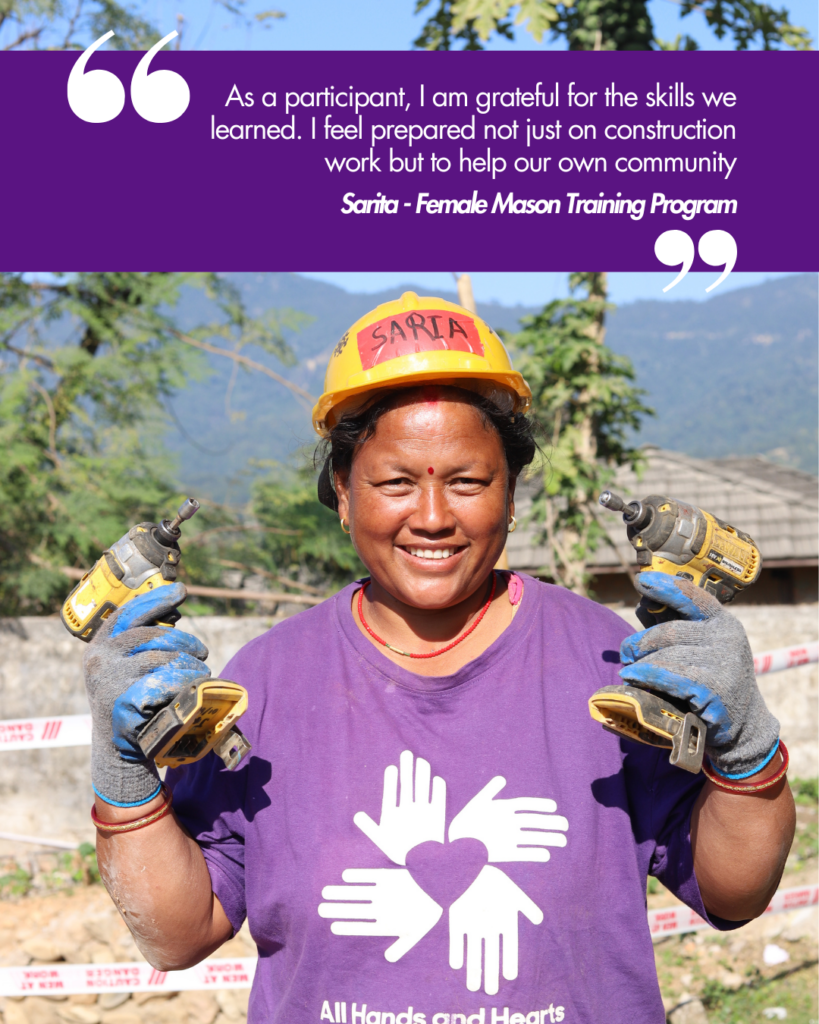
These local women are gaining skills that will stay in their communities long after this school is complete, opening doors to new opportunities and helping lead stronger, safer rebuilding.
Alongside the construction work, we’re also delivering Disaster Risk Reduction, Child Protection, and WASH trainings with our long-term local partner Relief Nepal, ensuring safety knowledge stays within the community.
Education That Lasts
Across the Philippines, Mexico, and Nepal, our education programs share a common goal: to create schools that are safe, resilient and shaped by the communities they serve.
On this International Day of Education, we’re proud of the progress underway, and committed to what comes next. Because when schools are rebuilt with care, sustainability, and community leadership at the center, education doesn’t just resume. It endures.
Donate