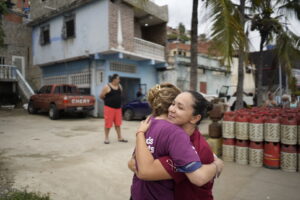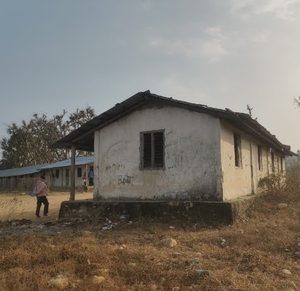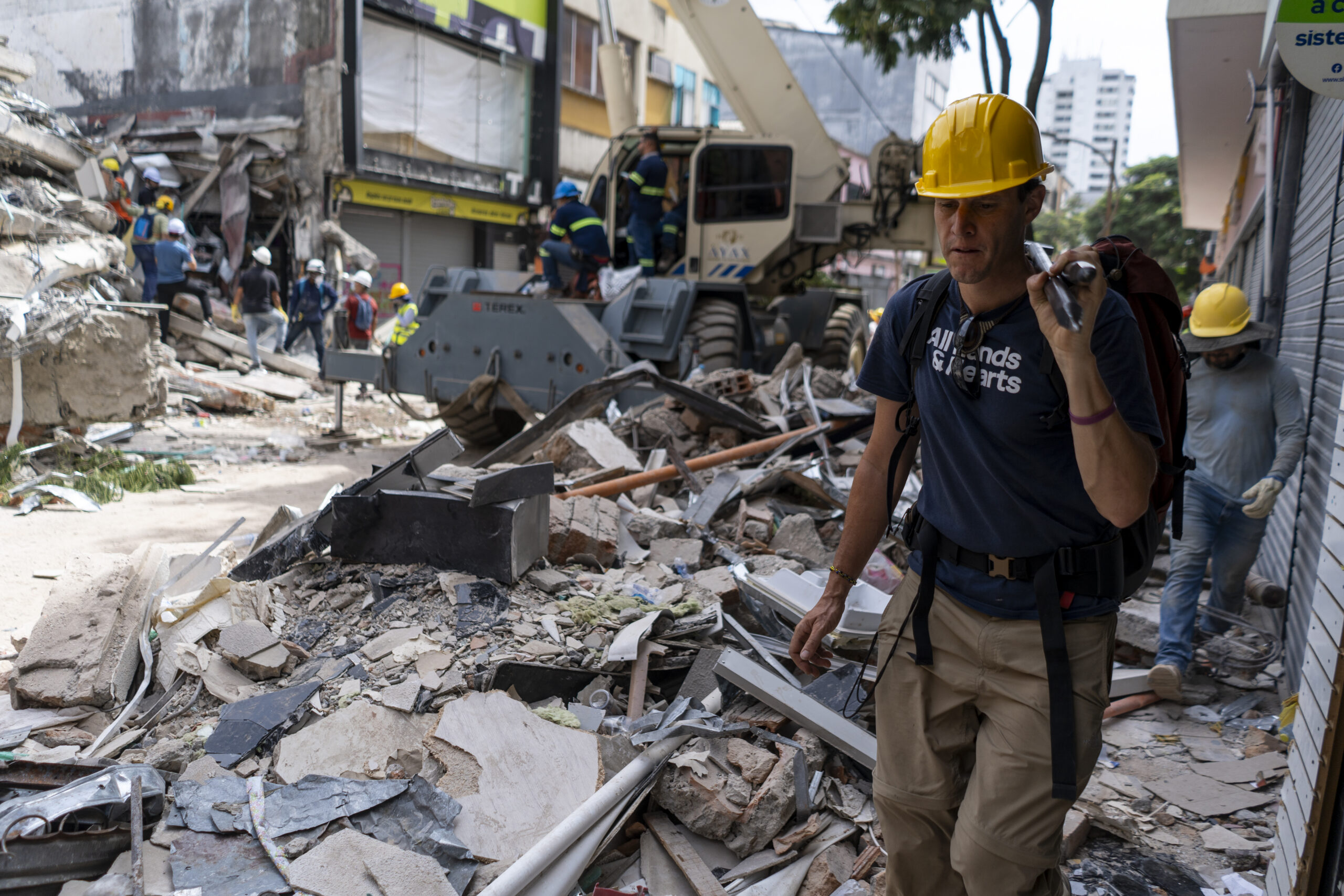
When a magnitude 7.4 earthquake struck Pereira, Colombia, the devastation rippled across the region. Homes, schools, health facilities, and critical transport routes suffered extensive damage, while landslides complicated access to vulnerable communities. In total, the disaster affected an estimated 292,000 people and destroyed 29,500 homes.
Within days, our team deployed to provide aid and stand alongside local communities. Over 161 days, from mid-August through late November, our team and volunteers worked across 16 municipalities in four departments: Risaralda, Valle del Cauca, Quindío, and Caldas. By the close of our program, we had supported more than 25,000 people on their journey from emergency relief to early recovery.
Stage One: Immediate Emergency Relief
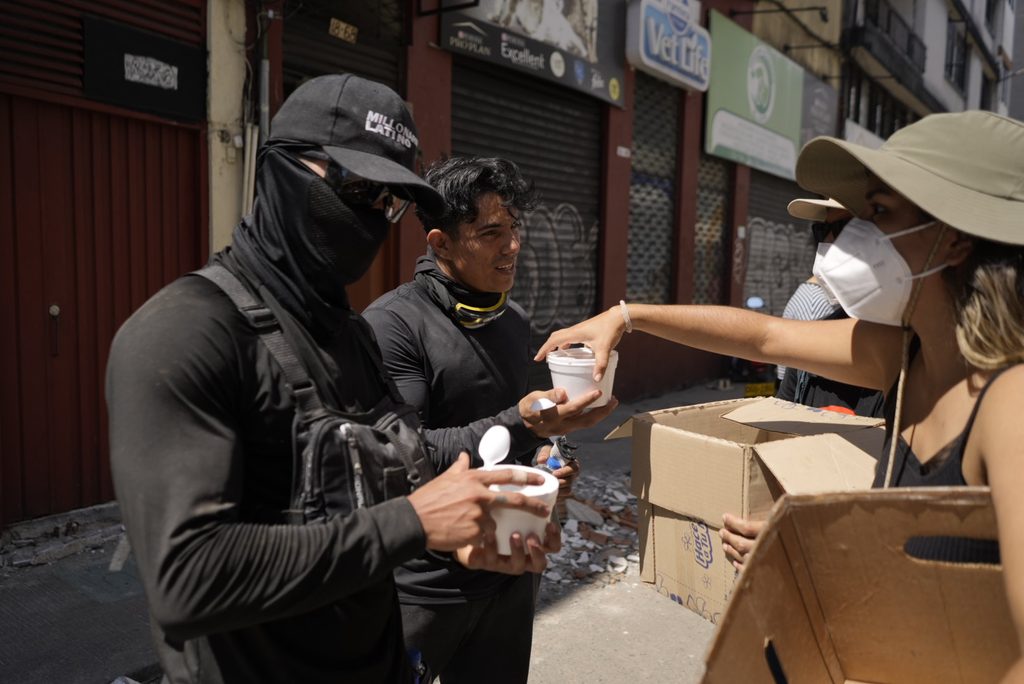
In the immediate aftermath of the earthquake, thousands of families were displaced and left without access to basic necessities. Working closely with local leaders and Search and Rescue (SAR) teams, we focused on rapid, life-saving interventions:
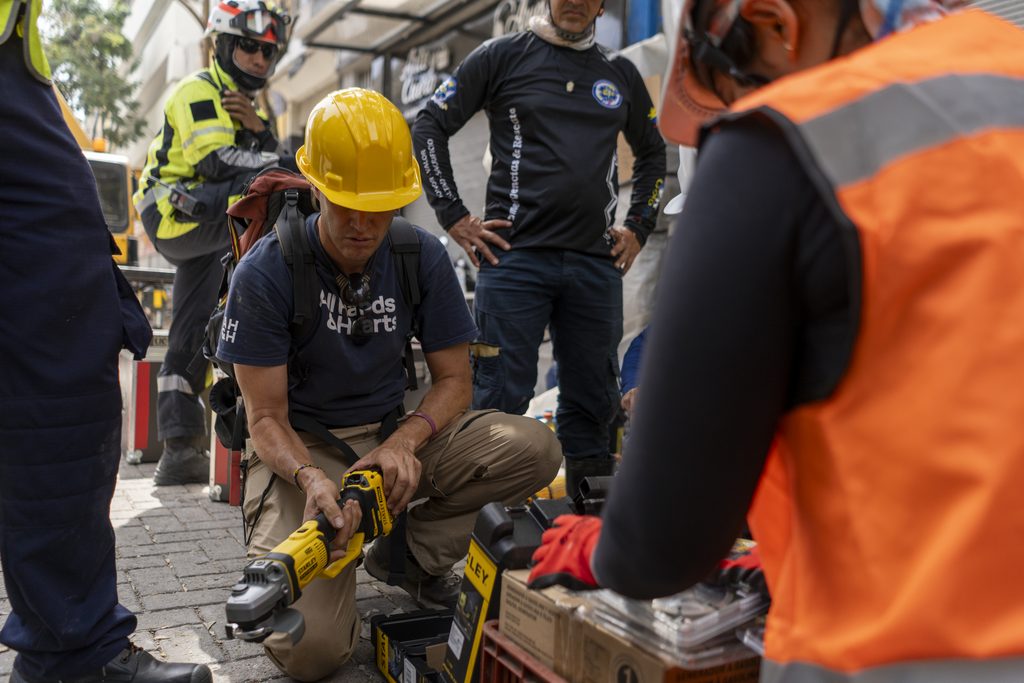
- Search and Rescue Support: We distributed essential tools, equipment, and supplies directly to SAR teams, aiding in efforts that helped rescue more than 300 people.
- Food Security: To alleviate hunger in affected areas, we installed and supported local food kitchens and delivered meals, food items, and clean water to 9,670 people.
- Water, Sanitation, and Hygiene (WASH): Maintaining dignity and preventing disease in displacement camps was a top priority. Our team installed 17 emergency showers and handwashing stations and distributed 890 hygiene kits, reaching 4,969 people.
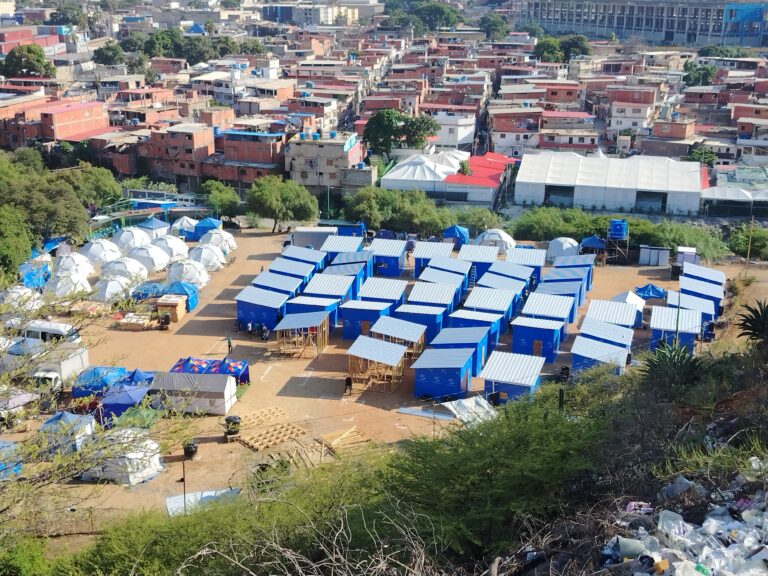
- Emergency Shelter: We provided immediate protection by distributing tents, tarps, mattresses, and blankets to 1,528 people.
Stage Two: Rebuilding Homes, Health, and Classrooms
As communities stabilized, priorities shifted from emergency relief toward sustainable early recovery. Rather than simply distributing aid, our second stage emphasized local capacity, partnering with local contractors, donating construction materials, and empowering families to rebuild safely.
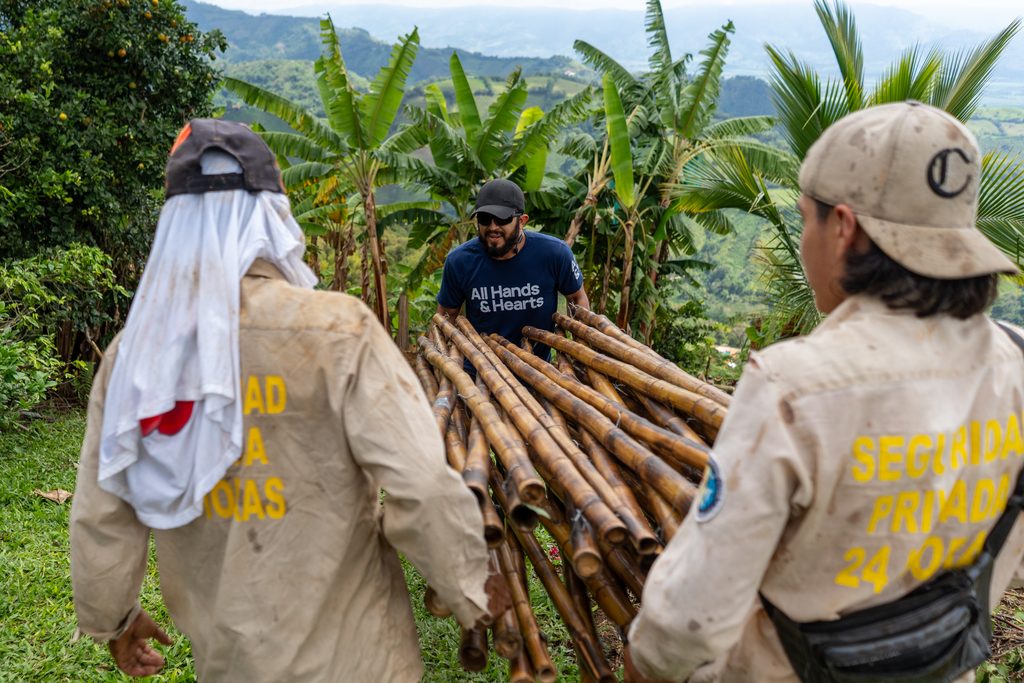
Transitional Shelters and Home Repairs: For families sleeping under unsafe structures or in small tents, we built and distributed 20 transitional shelters. Additionally, we completed light and medium repairs and donated building materials for 25 homes. Helping vulnerable households, including older adults, female heads, and people with disabilities, return to safe, earthquake-resilient living conditions.
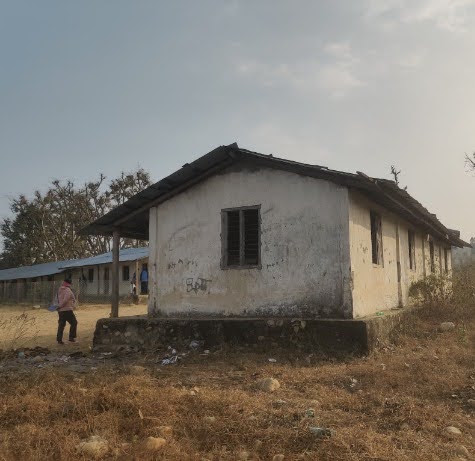
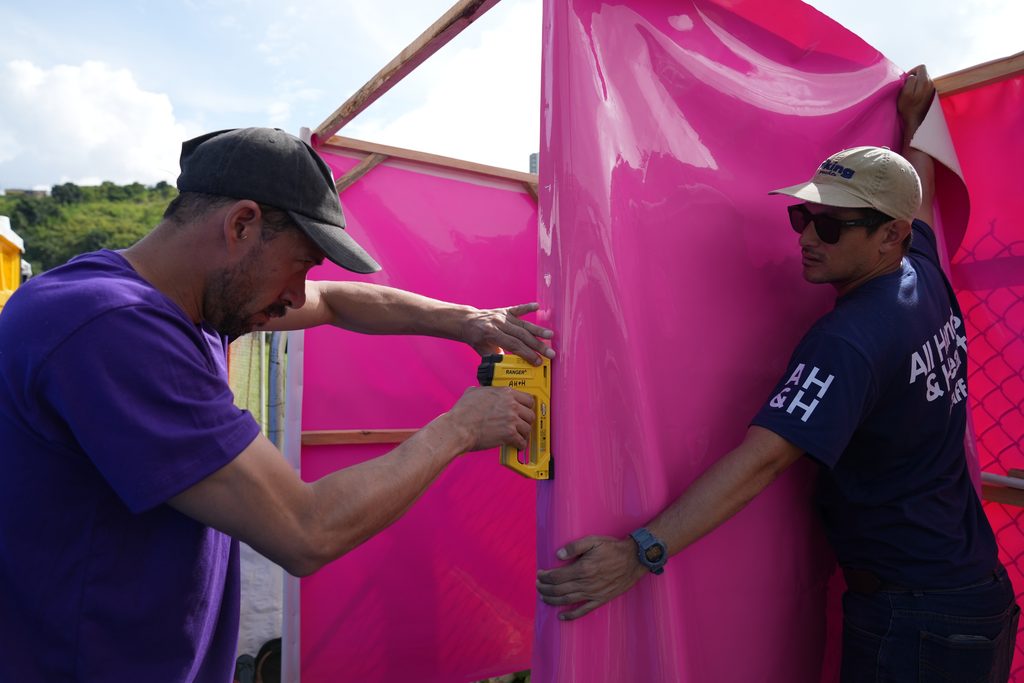
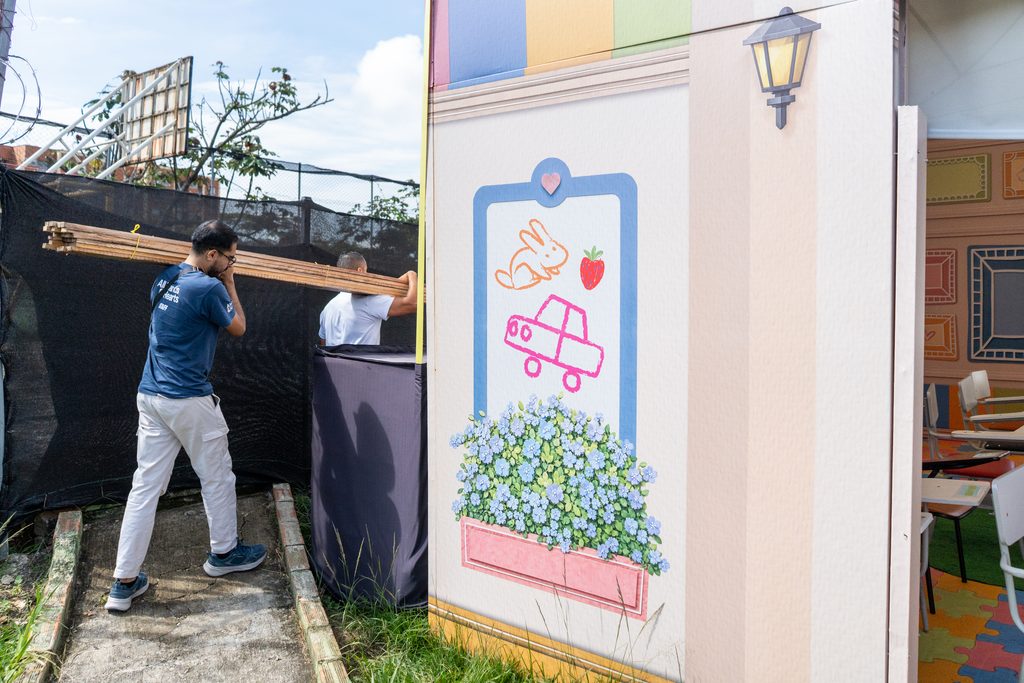
Restoring Safe Learning Environments: The earthquake damaged an estimated 3,200 educational facilities, leaving roughly 450,000 school-aged children with disrupted access to education. To help them return to their classrooms safely, our teams repaired 25 schools, donated building materials and a playground, and installed shade structures for temporary learning spaces, directly benefiting more than 7,000 students.
Bridging the Digital Divide: We donated 10 Starlink units to 6 schools and one indigenous community, restoring connectivity for approximately 3,500 students.
Strengthening Community Healthcare: In Roldanillo, we partnered with a local contractor to repair the roof, reinforce walls, and restore plumbing at the PS El Rey health post. This renovation restored vital medical, nursing, dental, and psychological services for 4,000 urban and rural residents.
Support Disaster Relief & Recovery
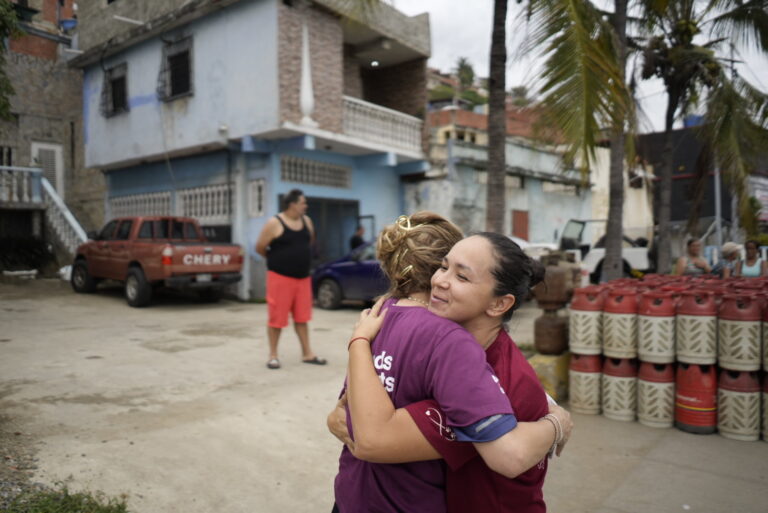
True recovery is built on resilience, collaboration, and trust. The repaired roofs, reinforced classrooms, and restored community spaces stand as a testament to what is possible when communities and volunteers work side by side.
Help AH&H respond rapidly when disasters strike around the world: