Here’s what our team on the ground has done and seen these last two weeks.
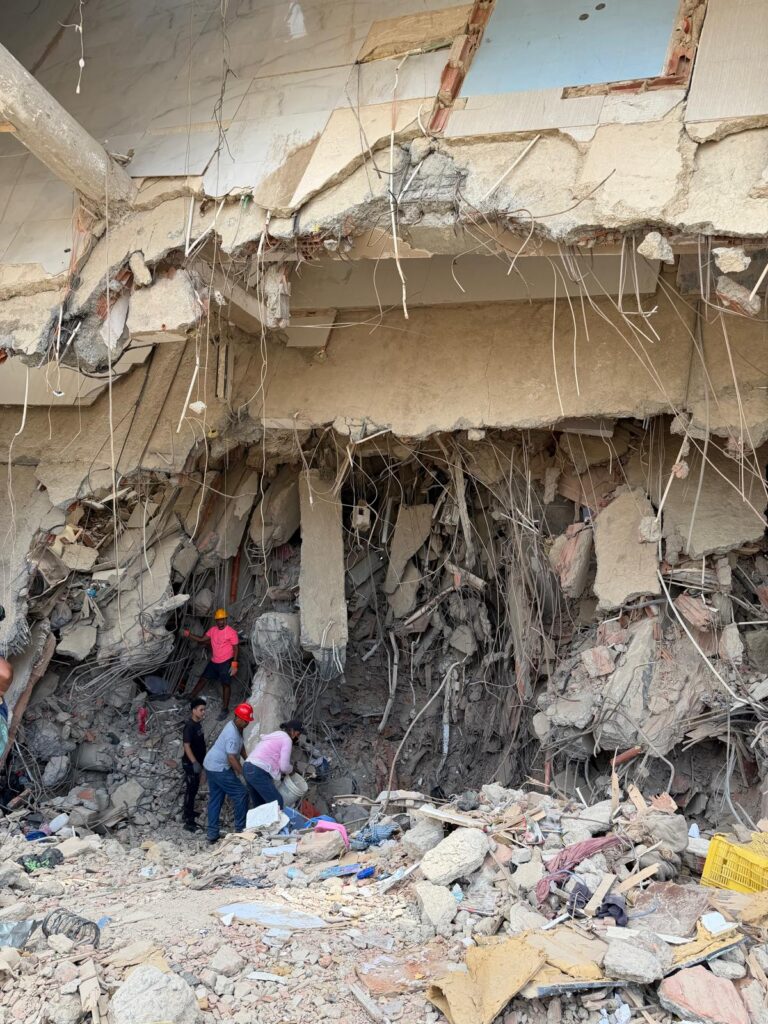
Safe Water Remains the Greatest Need
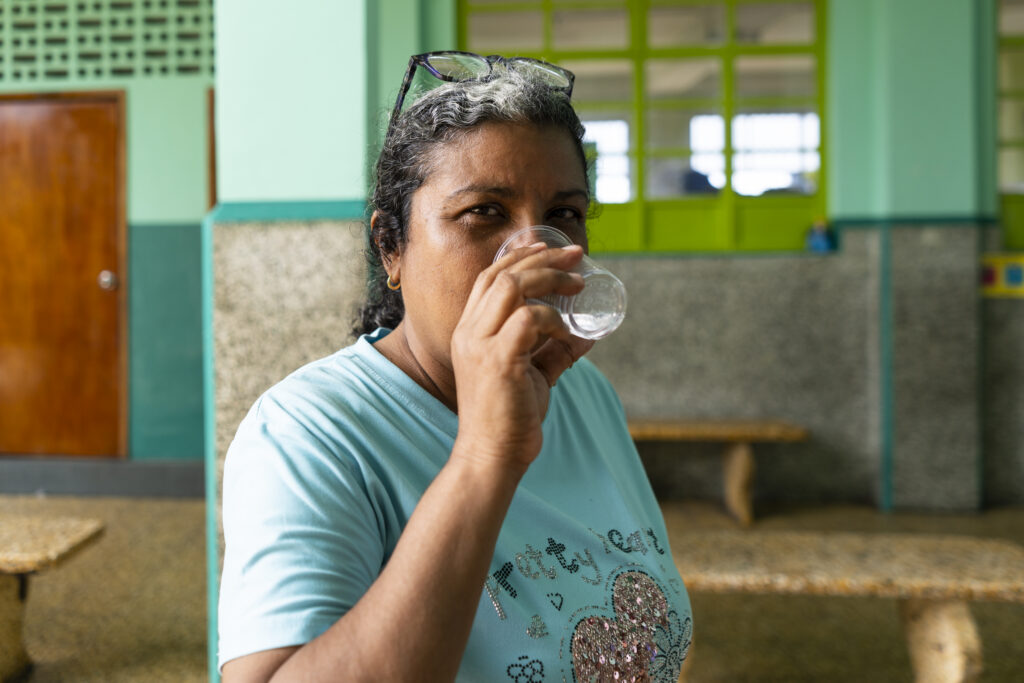
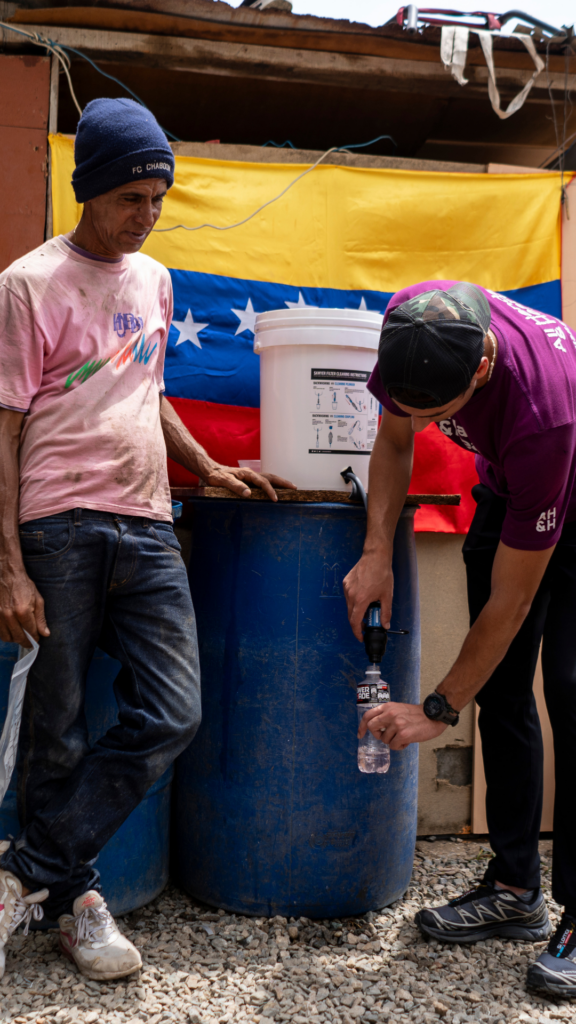
Clean water has been one of the most urgent gaps since day one. Working with partners Wine to Water and IsraAid, our teams have installed water filtration systems and delivered training in churches that have become shelters, including a Playa Grande parish, where filters and a cistern truck now give families reliable access to clean drinking water for the months ahead.
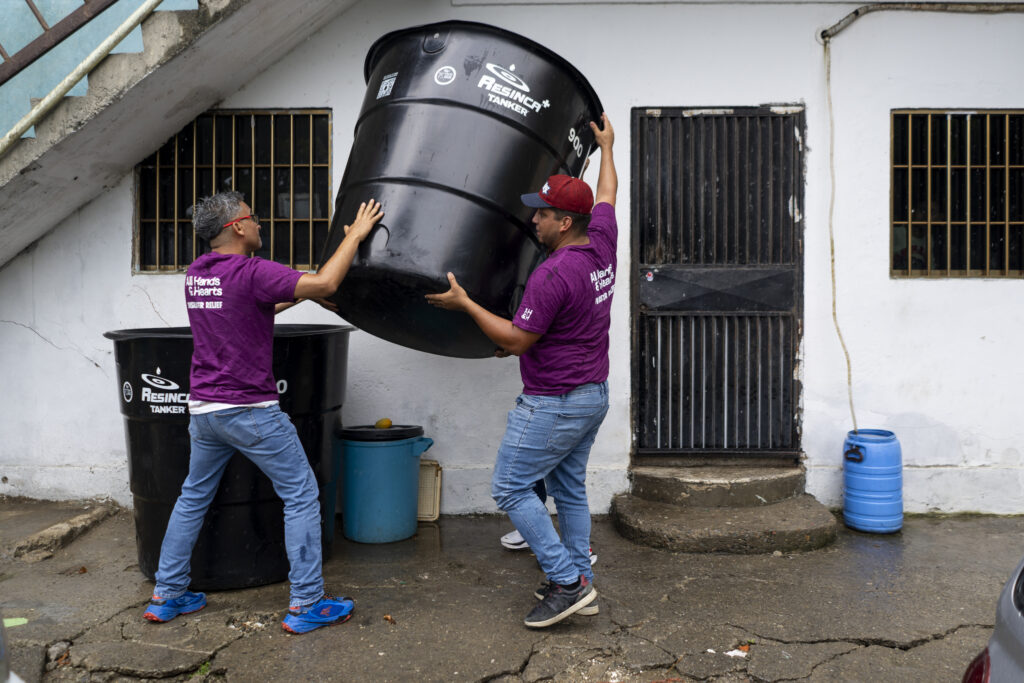
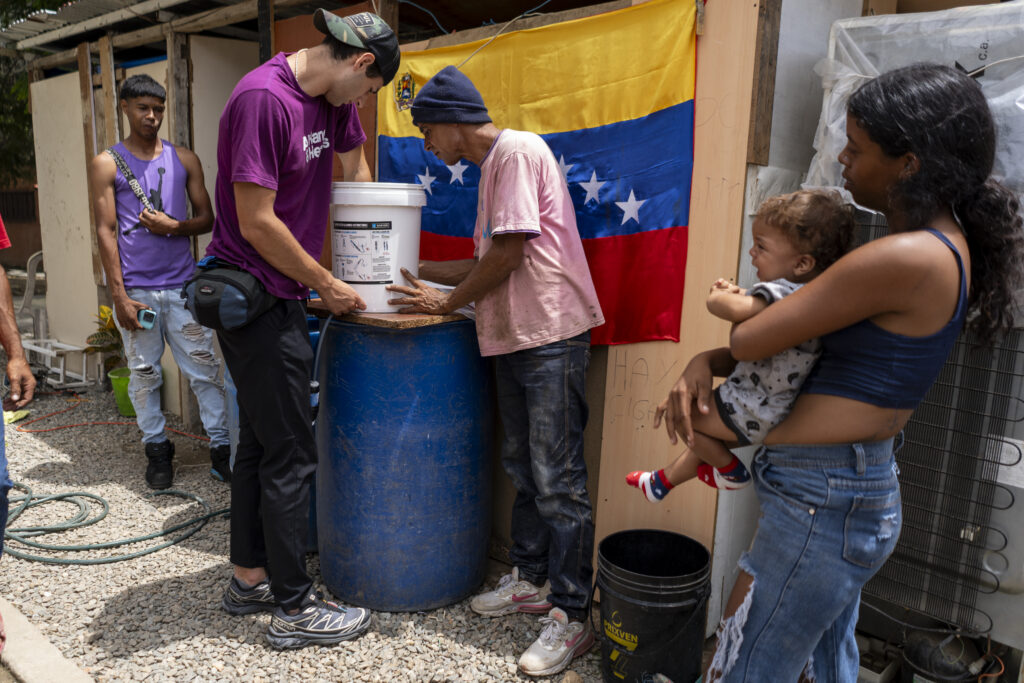
That work has stretched across the region:
- Five 90-liter water tanks now serve roughly 180 displaced residents sheltering at Estadio Campitos, a former baseball field turned tent community.
- At Centro Cristiano para La Familia, a former soccer field sheltering more than 80 people, two large tanks now support daily hygiene needs.
- In Naiguatá, filtration systems installed at San Francisco de Asís Church now serve nearly 4,300 families using the church as a shelter and distribution hub.
- Local leaders in Naiguatá helped distribute filters reaching more than 300 people, with neighbors pledging to share access with each other.
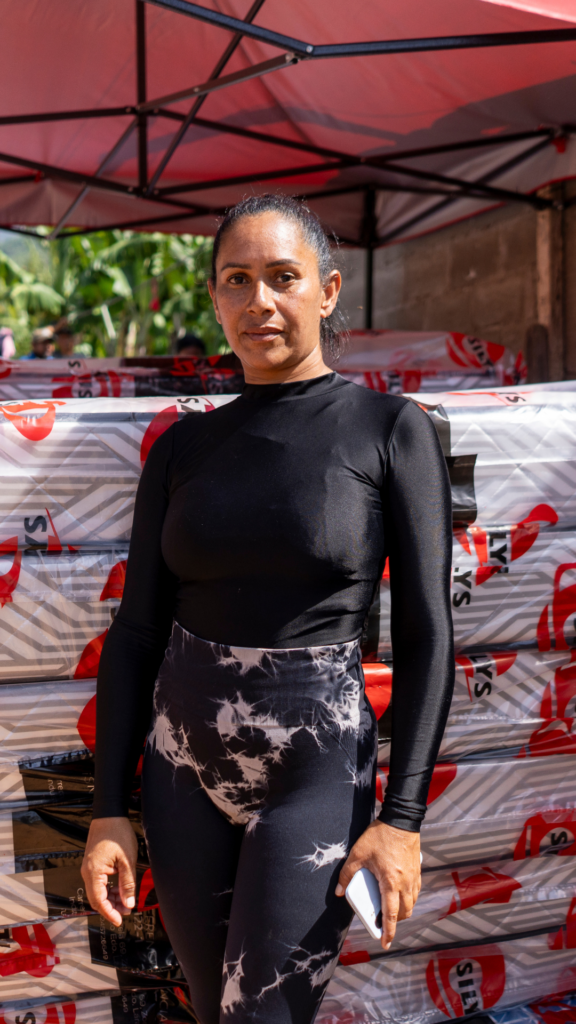
- In Los Corales, families sleeping outside on worn mats, after Ingrid and her neighbors organized their own outdoor sleeping arrangements, received new mattresses along with filtration systems.
- Near Carlos Sule Church, where municipal water shortages have lasted up to two months, families had been drinking from the river. As local bricklayer Luis put it: boiling isn’t enough — “after drinking it, our stomachs ache, and it makes us nauseous.” New tanks and filters there now protect more than 1,000 people, many of them young children.
- At El Campito, home to about 130 displaced people, our team returned after heavy rains to reinforce the water systems, building elevated platforms to protect tanks from flooding while continuing filter distributions.
Shelter That Restores Dignity
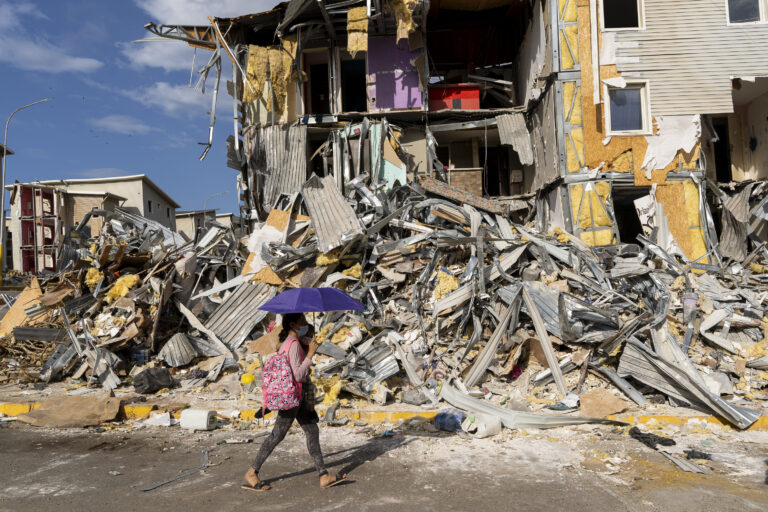
Displacement has forced impossible choices. Families are returning to structurally unsafe buildings just to shower, cook, or retrieve belongings. Our teams have focused on closing that gap:
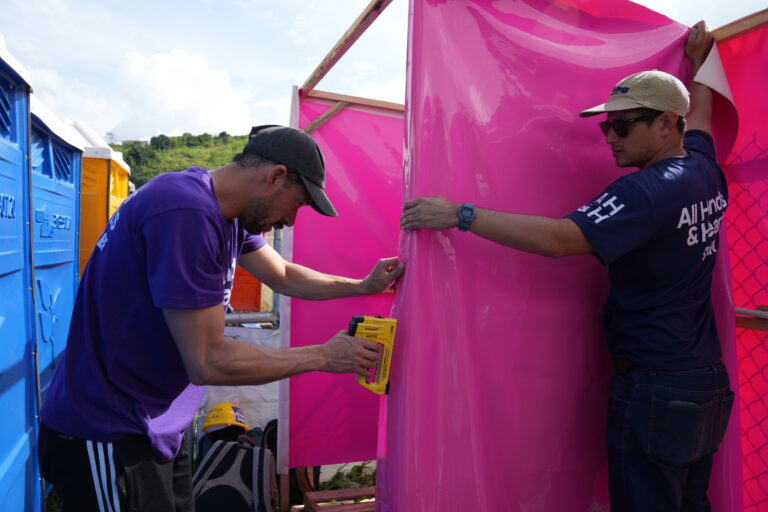
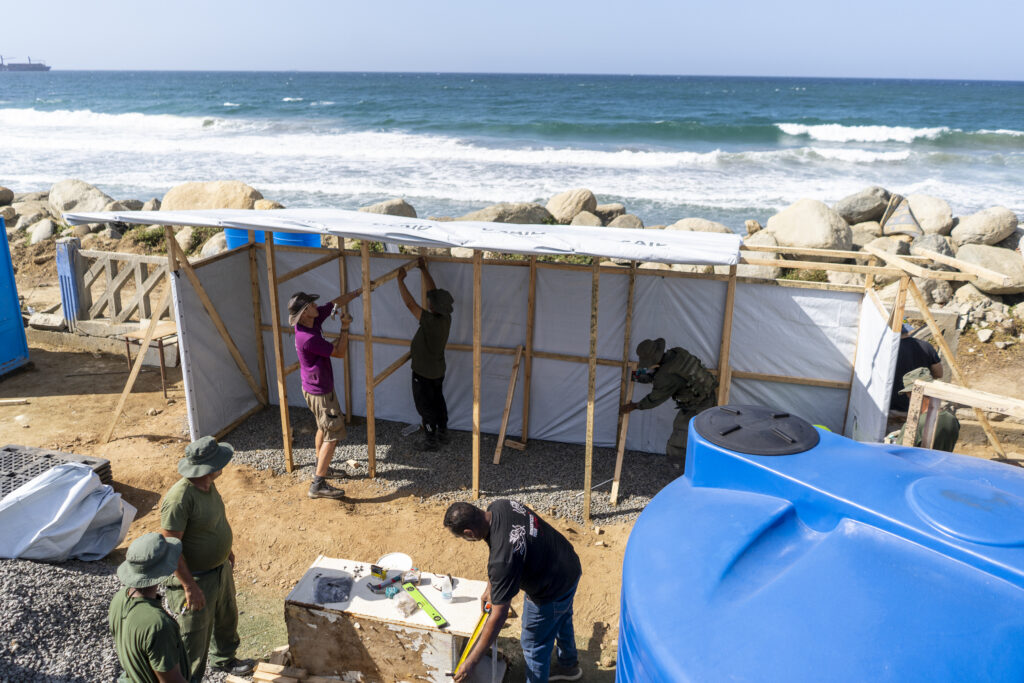
- In Mare Abajo, La Guaira, Vanesa and her family sharing a single tent with another household after their apartment was destroyed now have access to a safe, accessible outdoor shower our team built on-site.
- In La Guaira, we’ve added shade structures and safer shower facilities to shared spaces, reducing the safety risks families face after dark.
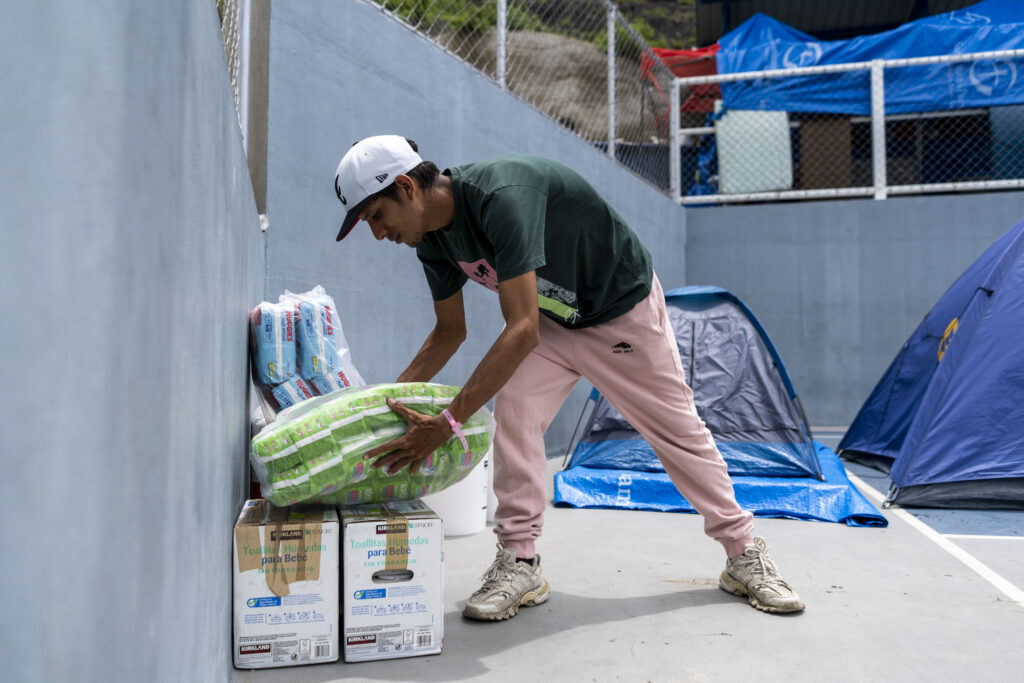
- At Cancha de la Paz in Playa Grande, we delivered diapers and cleaning supplies to help families keep shared shelter spaces sanitary.
- At San Juan in Caraballeda, a shelter housing 40 families, including six expectant mothers, received water filters, storage tanks, and diapers.
- At a sports court sheltering more than 100 people, we delivered hygiene kits, menstrual hygiene supplies, diapers, and safe water.
Reaching Communities Others Haven’t
Some of the hardest-hit places are also the hardest to reach, and the easiest to overlook.
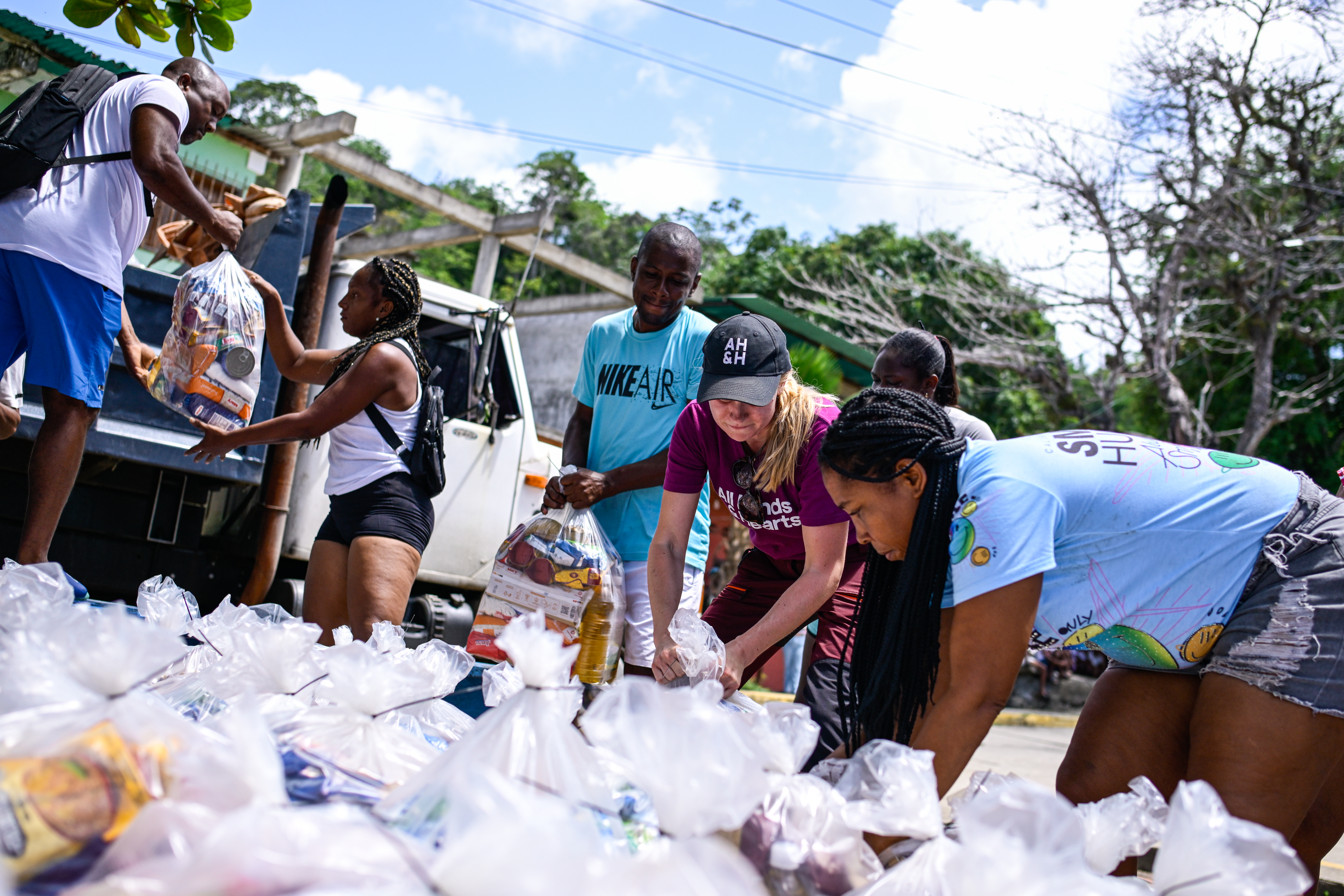
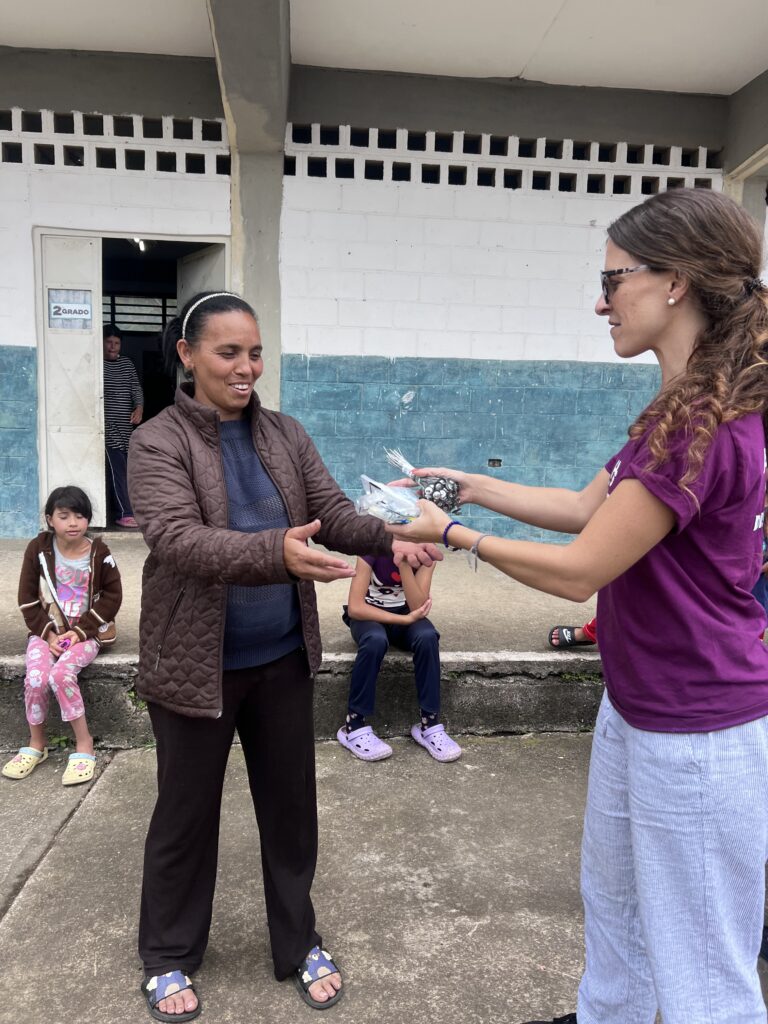
Caruao was cut off entirely after the earthquakes damaged the main road, closing local shops and leaving families to face food and supply shortages largely on their own. We delivered family food kits designed to last a month, along with individual hygiene kits, directly to the community.
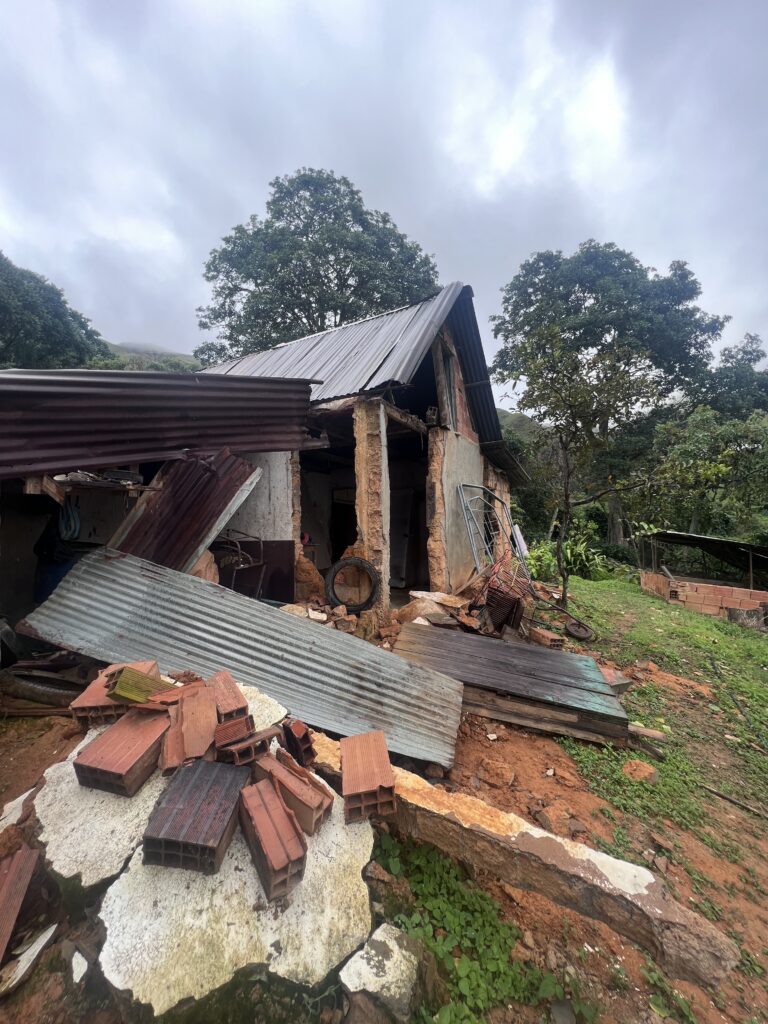
Deep in the mountains, families sheltering in a school in Colonia Tovar have received little outside attention or media coverage. Our team has been on-site delivering the rebuilding tools they need.
Powering Recovery
Connectivity and electricity have become their own kind of relief. At the Association of Venezuelan Psychologists in Naiguatá, our team installed a Starlink system so local psychologists doing critical trauma and PTSD support for earthquake survivors could stop losing hours to coordination problems and focus on the people in front of them.
At El Campito, Footprint Project helped us deploy Starlink and solar power cells, restoring communication and electricity for the roughly 130 people sheltering there, where we’re also serving 200 meals a day from a converted community hub.
And for Gilbert Hernández, a civil engineer who came to help for two days and stayed more than two weeks clearing disaster sites alongside local families, we provided generators — keeping phones and equipment charged in neighborhoods still completely without power.
Equipping the People Doing the Work
Recovery runs on the people showing up every day, and they need real equipment to do it.
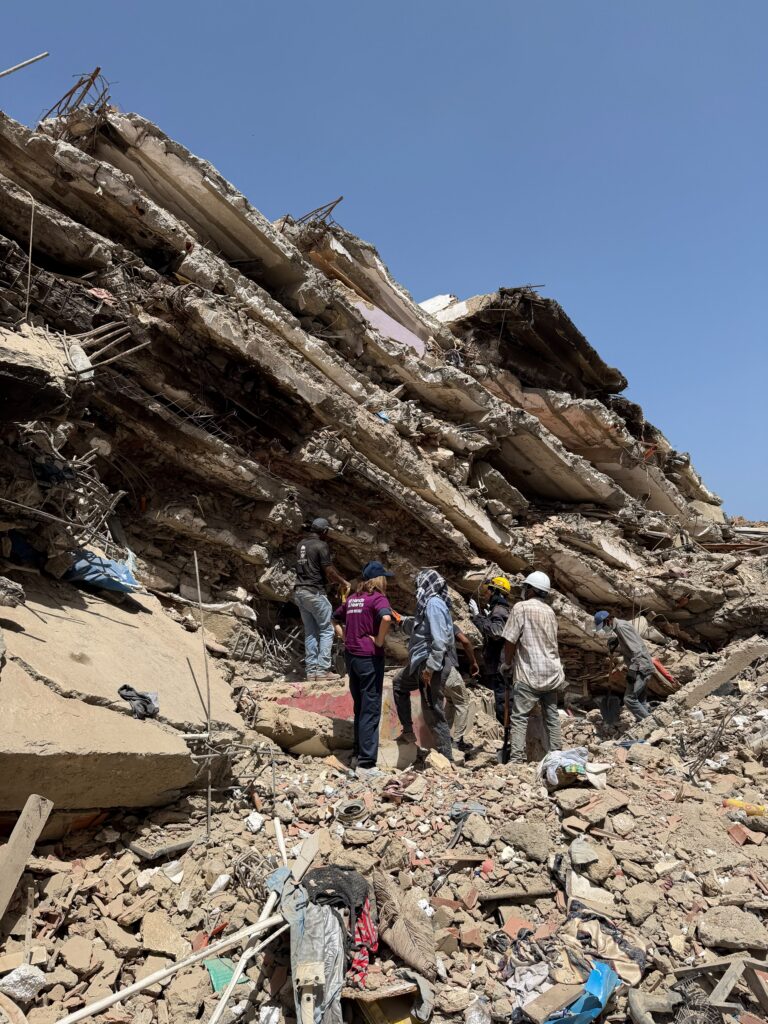
Our partners at Aid for Life donated search-and-rescue equipment to the Trujillo Civil Protection team in La Guaira, gear that was used within days to help save lives. In Táchira, we delivered boots and tents to Civil Protection staff, plus solar-powered lamps to light shower areas and a nighttime medical tent. In Mérida State, we delivered tools, showers, water filters, and a generator to the shelter housing search-and-rescue volunteers, including Richard Andara, a 40-year-old volunteer who pivoted from searching collapsed structures to delivering food, medicine, and supplies to his community.
At the Central University of Venezuela’s field hospital in Playa Grande and its Caracas campus hospital camp, medical students are handing out eco-friendly hygiene kits, donated by the WASH Foundation, directly to patients coming in for checkups.
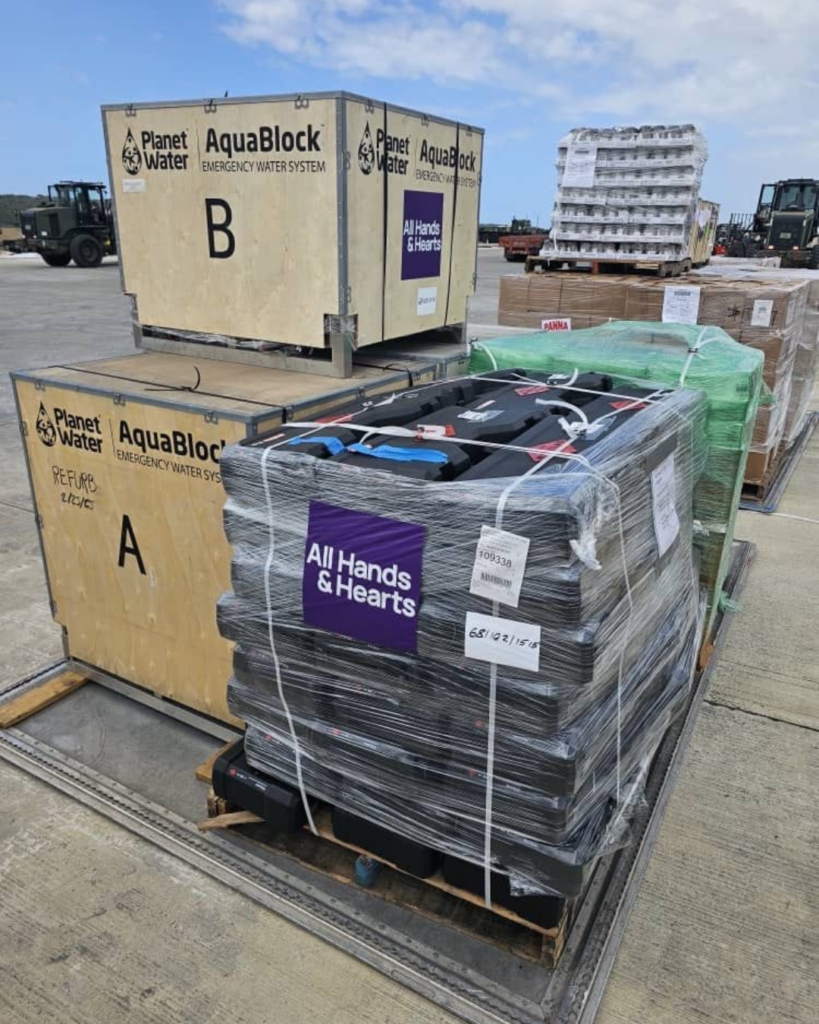
And recently, 19 pallets of equipment reached our teams thanks to Tool Bank, Hilti, Planet Water, Amazon, Airlink, and a US Air Force and Marines airlift: 1,100 shovels and hand tools, two AquaCubes and four AquaTowers for clean water, and concrete breakers, saws, and drills, meaning faster debris removal and more clean water for families in La Guaira and Caraballeda.
The Community Carrying Itself Forward
Every delivery is really a story about the people receiving it. Freddy spent years in construction in La Guaira before the earthquakes; watching friends ask for help he couldn’t give, he told us, “I wish I were a superhero.” Neighbors in Naiguatá are planning to share their new water filters with each other. In Los Corales, Ingrid organized her own neighbors into a system of shared shelter and outdoor sleeping arrangements before any outside help arrived.
That’s the throughline across every site we’ve visited: communities are already organizing, sharing, and rebuilding on their own. Our job is to back them with the water, shelter, and tools that make it possible.
Make a Difference
We’re just at the beginning of this response, and the need is growing. Your support allows us to continue showing up by working alongside communities, supporting local efforts, and doing everything we can in the coming weeks to help families recover.
Thank you for your support.