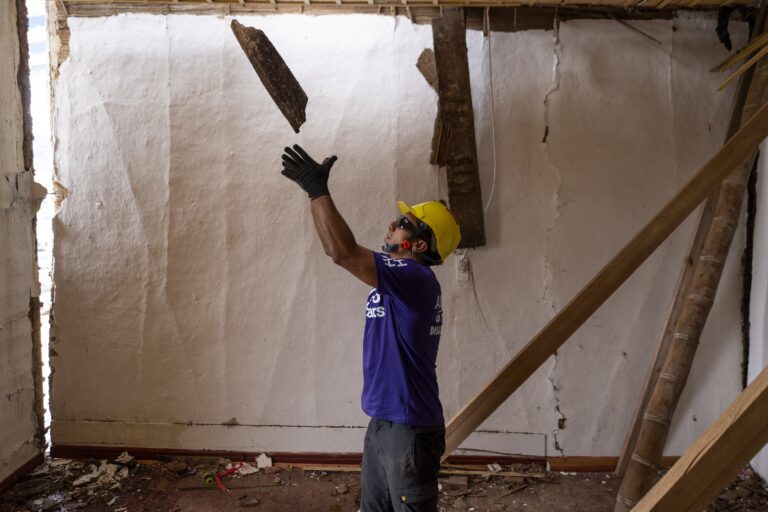
This week in Playa Grande, I met Samuel, an 11-year-old boy who only has his mother left. He was taken in by a Civil Protection team here, and Samuel now spends his days alongside them helping others.
Protección Civil gave him a uniform, and we were able to provide him with proper boots, a helmet, and his own set of tools. Samuel told me he already rescued one dog and one cat.
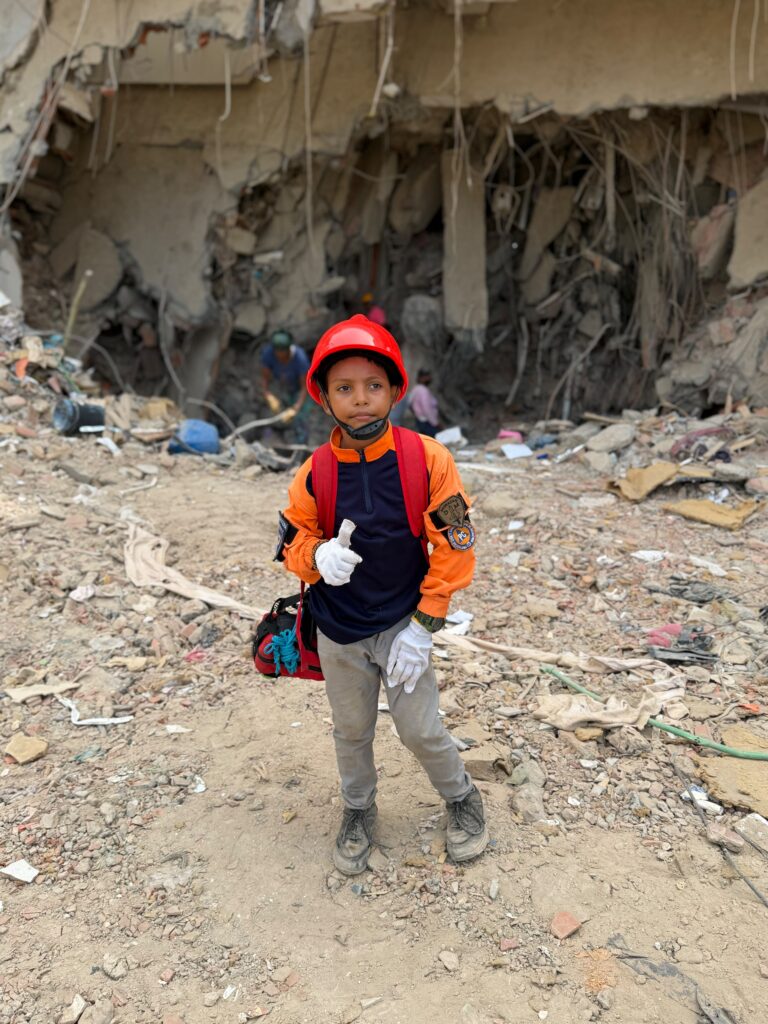
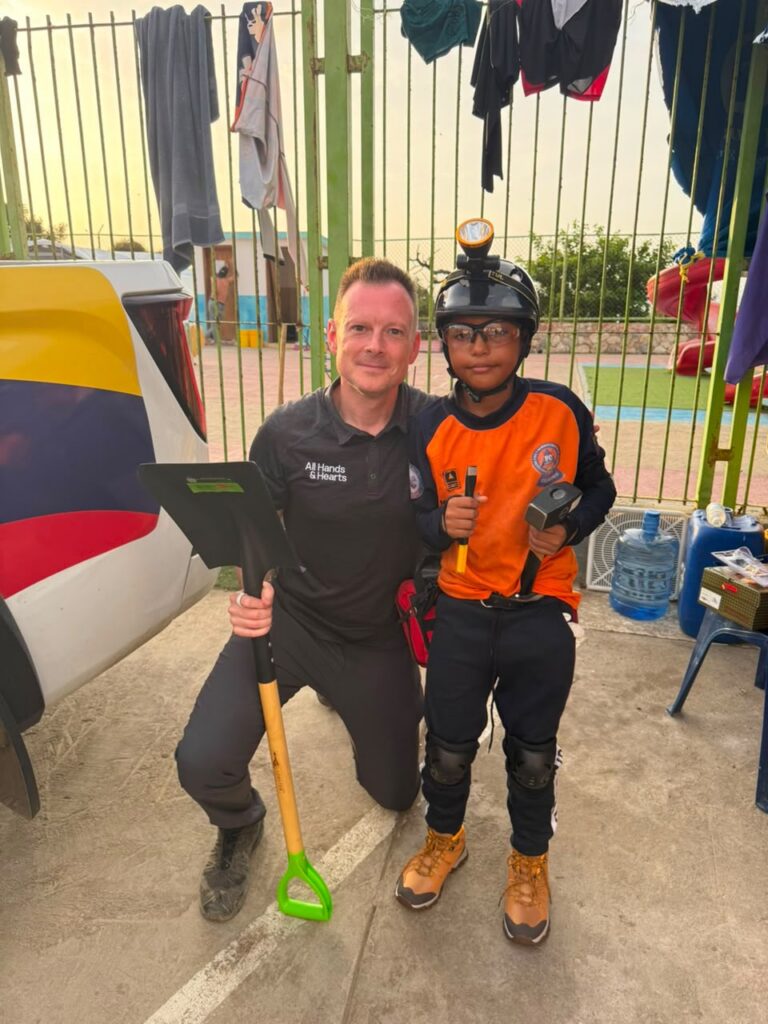
In the middle of unimaginable loss, Samuel represents something I saw across Venezuela: even in the darkest moments, people continue showing up for one another.
It’s now been 1 month since the twin earthquakes devastated communities here. Families continue to search for their loved ones, living in tents outside their homes or in displacement camps with no electricity.
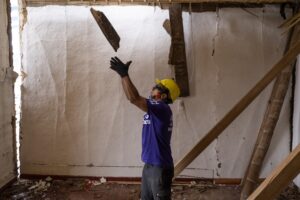
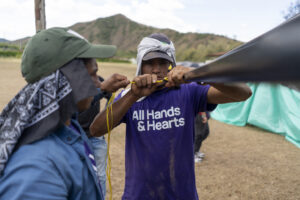
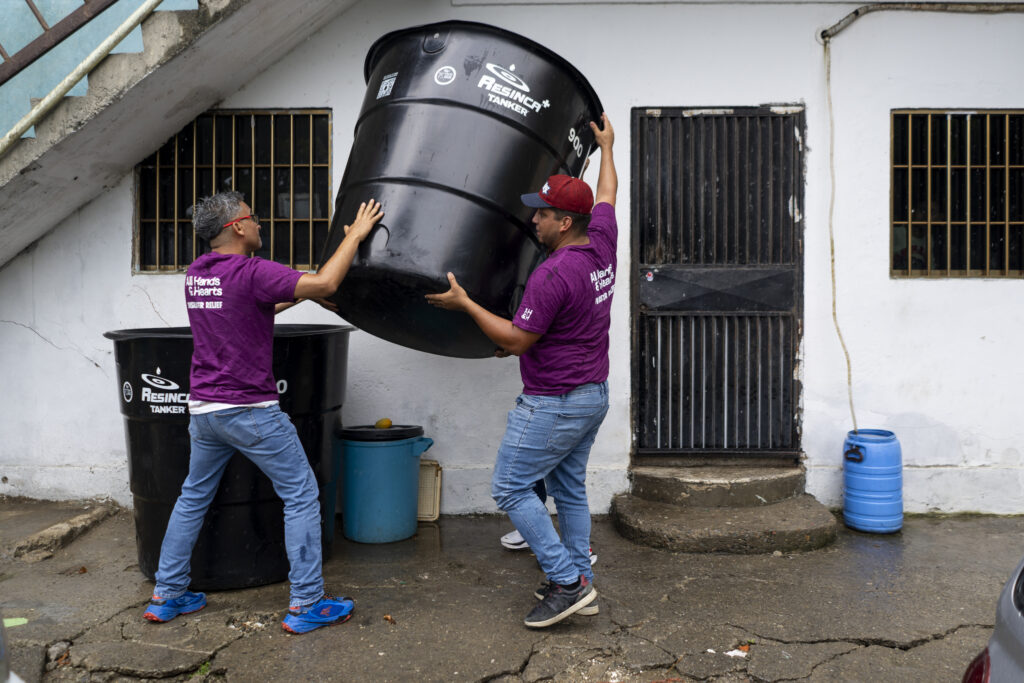
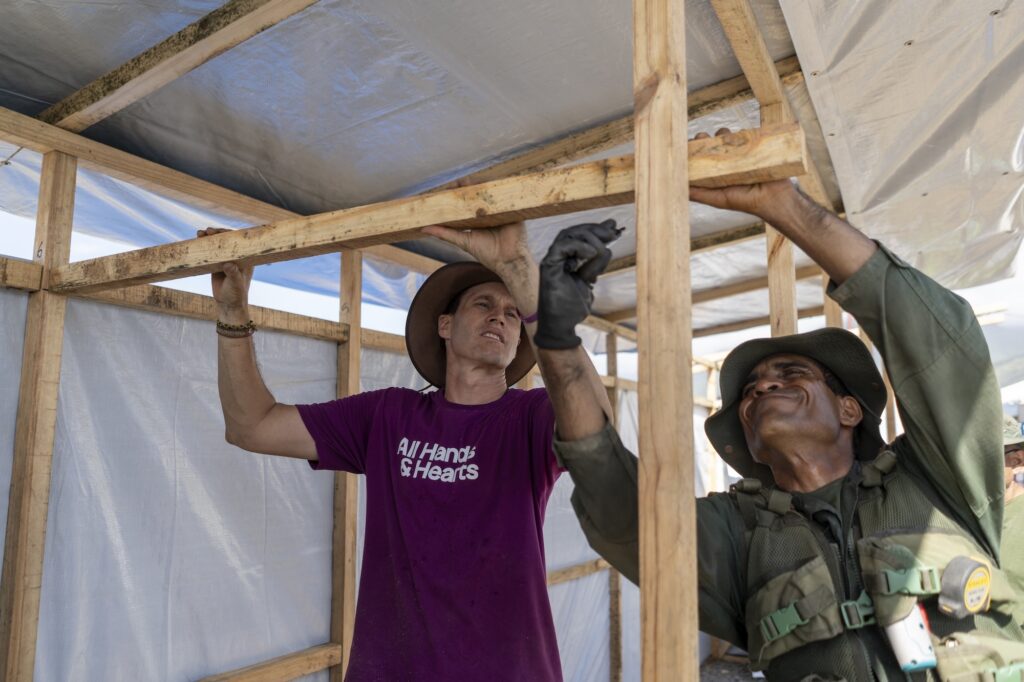
Together with our trusted local partners like Alimenta la Solidaridad and ImpactHub, All Hands & Hearts has now supported more than 209,000 people. We’ve helped provide food, safe drinking water, emergency shelter, hygiene supplies, medical assistance, Starlink internet connectivity, generators, solar lighting, debris-removal equipment, and children’s activity kits for the youngest survivors.
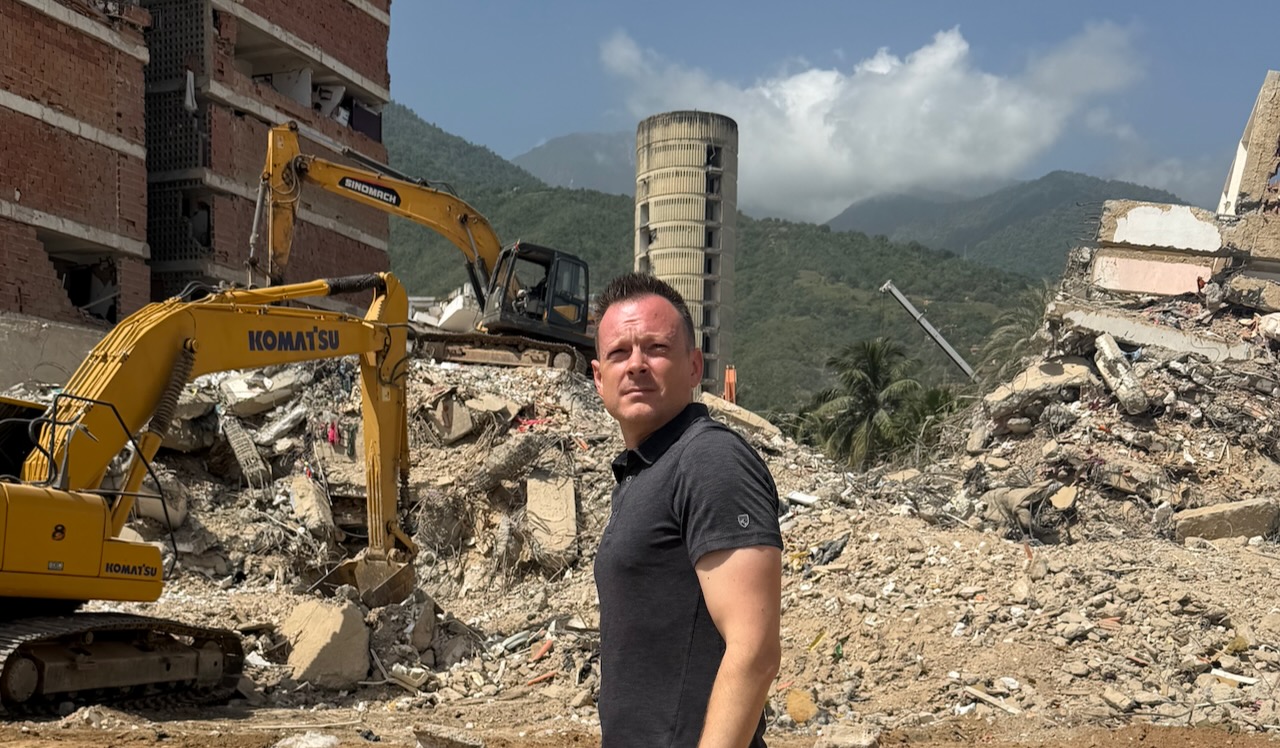
But there is so much left to do. One morning, I joined Venezuelans digging for their family members under one of the many apartment towers that came down in the earthquakes. People live in tents here, sometimes needing IVs due to dehydration. Every day they are pulling bodies out—some days finding more than 10. We are bringing tools and supplies to help. I recorded this quick report from Ground Zero:
I also met Laura, who spends every day searching for her brother-in-law beneath the rubble of her building in Playa Grande. Heavy machinery clears what it can during the day, then families return with buckets and shovels, continuing the search themselves into the night. It’s dangerous work, but Laura tells me that she can’t leave until he is found and given a proper burial.
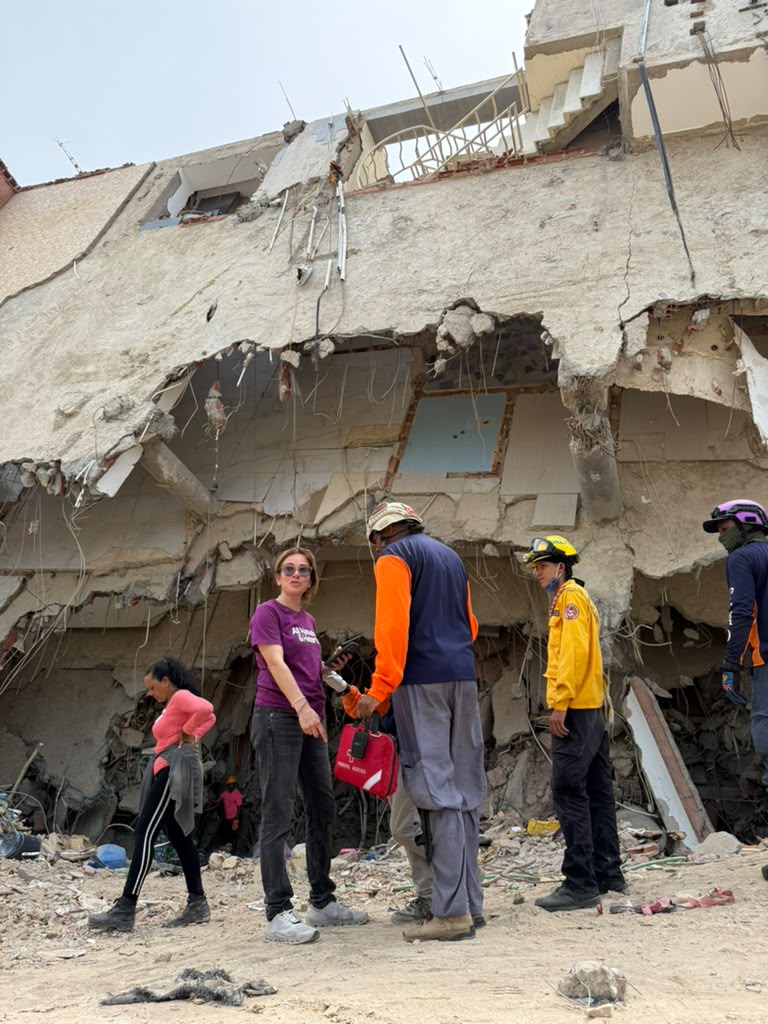
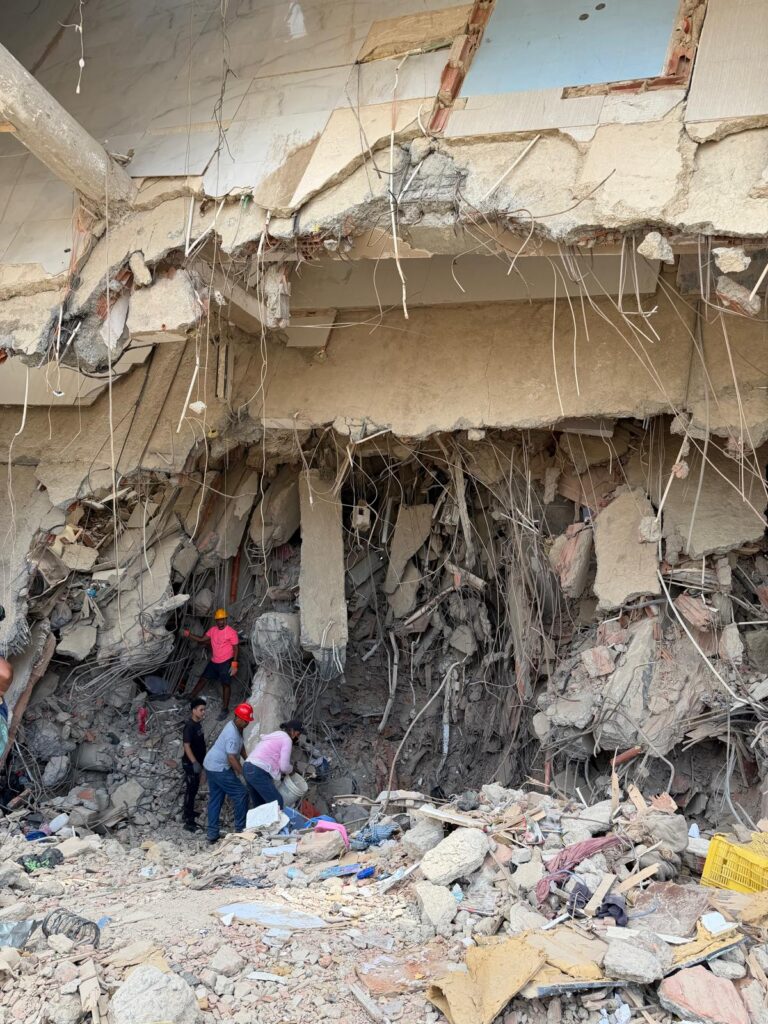
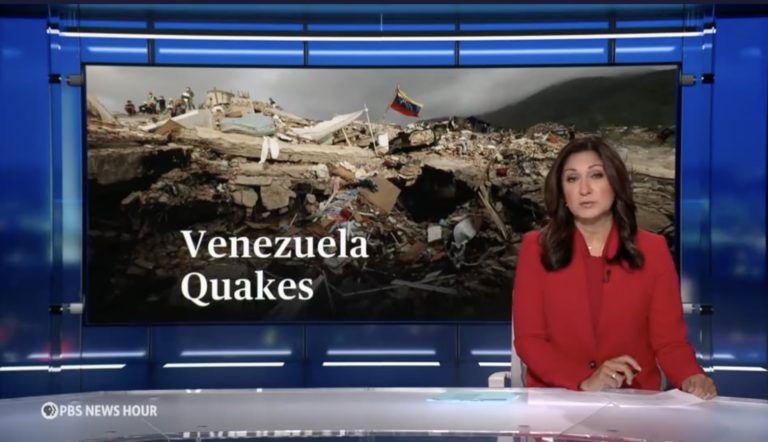
While much of the world’s attention has moved on, recovery in Venezuela is only beginning. Yesterday, I sat down with Amna Nawaz at PBS News Hour to share what we have been seeing on the ground. You can watch the segment here:
So where do we go from here?
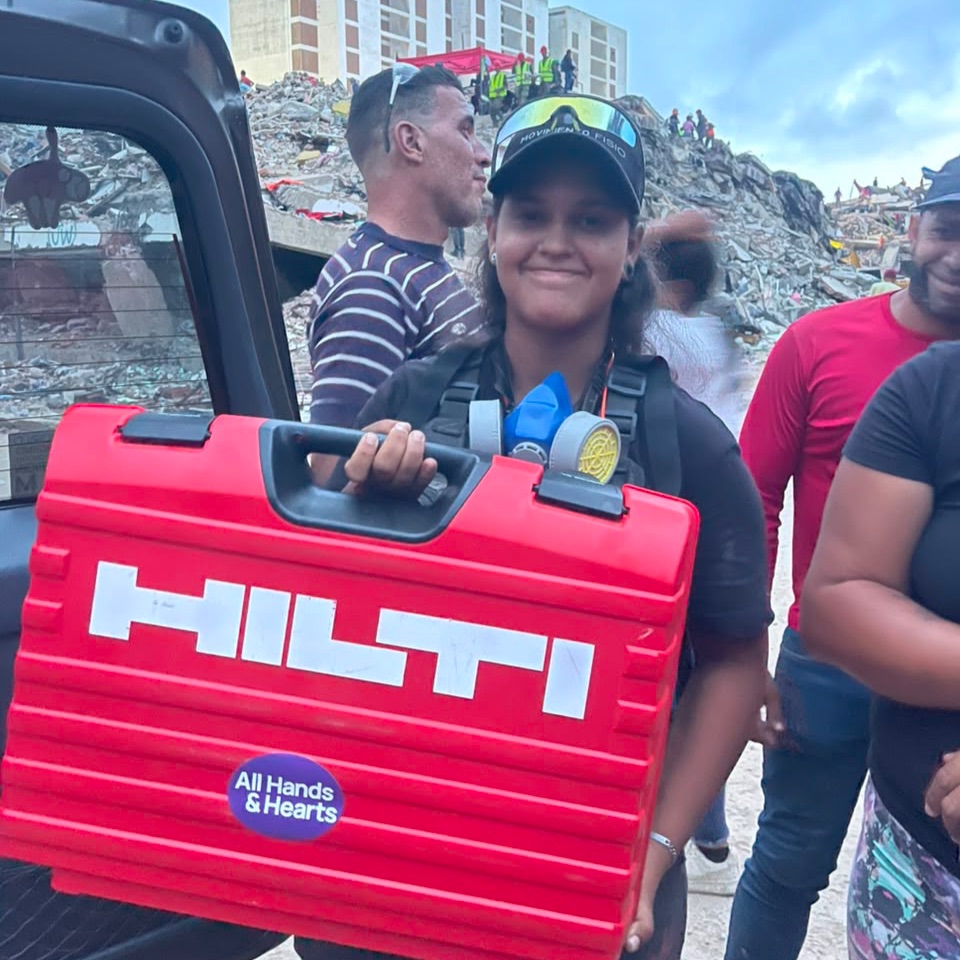
The All Hands & Hearts team continues to fill urgent needs on the ground like these refrigerators Dr. Sequera can use to safely store medicine at a camp housing 1,000 people, and power tools for those digging through the rubble.
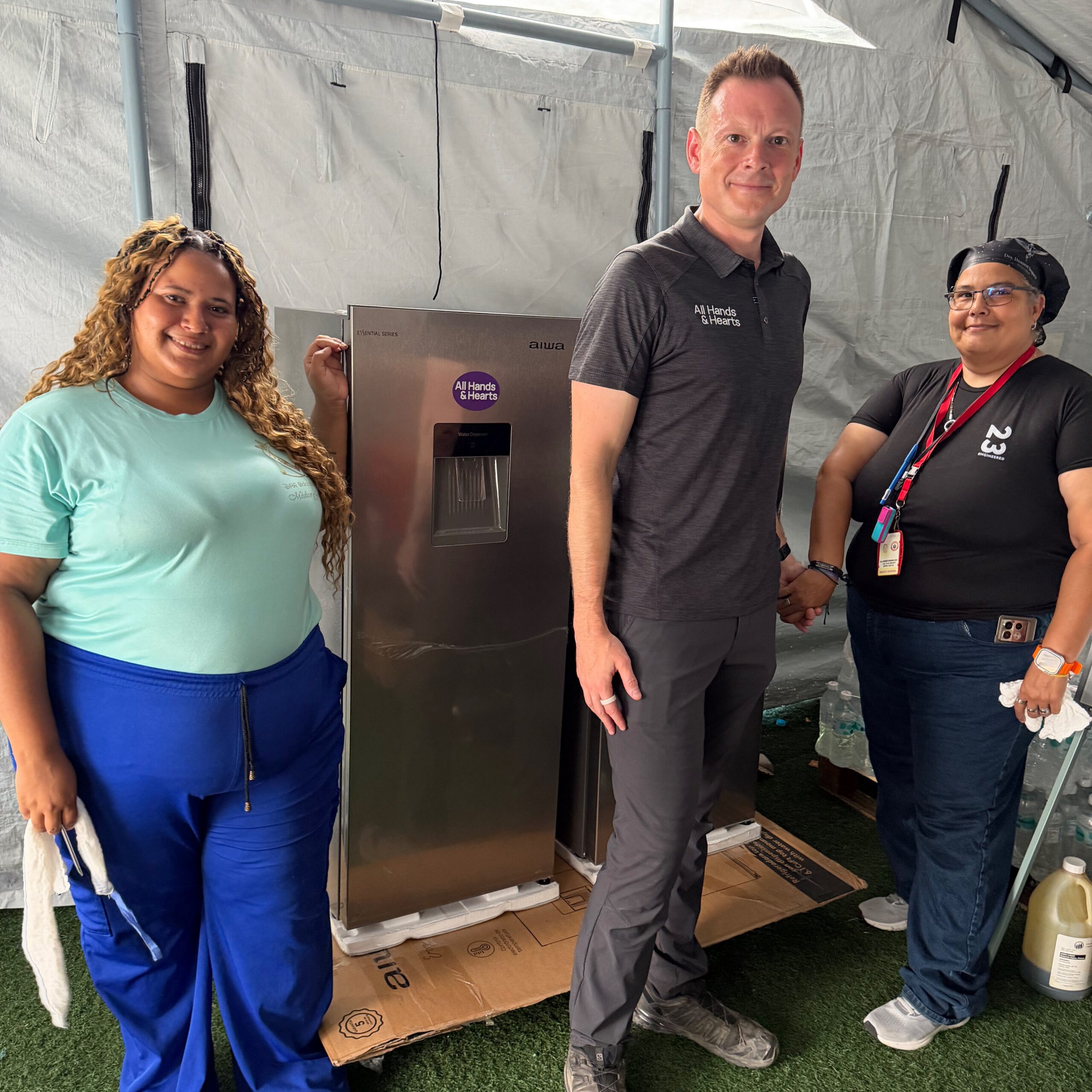
But we are also focused on longer-term solutions. Families have nowhere to go, and will need support with clean drinking water systems, proper shelter, and safe education spaces for children.
We remain committed to standing with the people of Venezuela in the difficult months ahead, but we can’t do this without your support.
Make a Difference
We’re just at the beginning of this response, and the need is growing. Your support allows us to continue showing up by working alongside communities, supporting local efforts, and doing everything we can in the coming weeks to help families recover.
Thank you for your support.