When back-to-back earthquakes hit Venezuela’s coast (7.2 magnitude followed 39 seconds later by a massive 7.5 magnitude earthquake), everyone rushed to help. Now, 100 days later, the headlines have moved on, but the need for help is far from over.
As families continue navigating the long road to recovery, local reporter Julio Blanca visited our team on the ground for a special feature published by Latin America Reports, highlighting All Hands & Hearts’ ongoing relief work and our commitment to the affected communities. As Blanca highlighted, recovery in places like La Guaira, Caracas and Aragua takes time, patience and real teamwork.
Here’s an update on what our team and local volunteers have done together so far, and what we’re tackling in the next phase of our response, now that disaster relief is transitioning into long-term recovery efforts.
What 100 Days of Support Looks Like
When disaster strikes, the most important thing to do as an organization is show up, listen to local families, and get to work together to respond as quickly and effectively as possible.
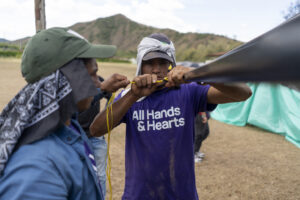
During the initial days, that means supporting search and rescue teams, delivering water to disaster zones, and getting into hard-to-reach areas to support with whatever is needed in the moment. That could look like bottles of water, lanterns, search and rescue equipment, protective gear, or internet access.
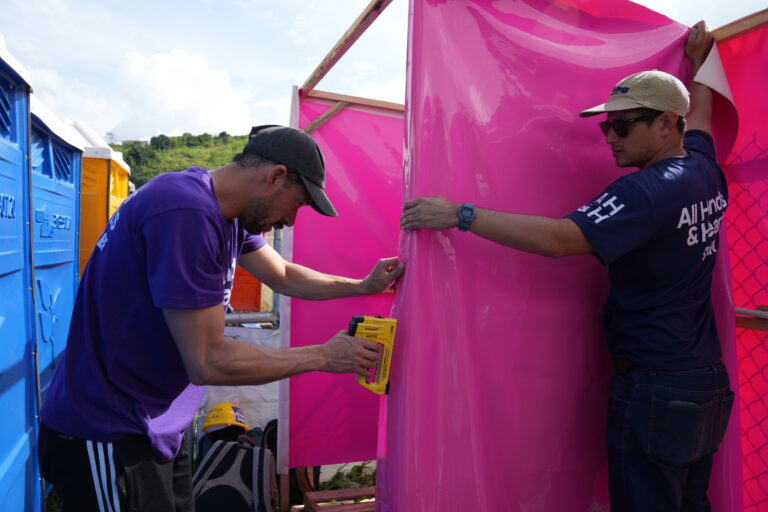
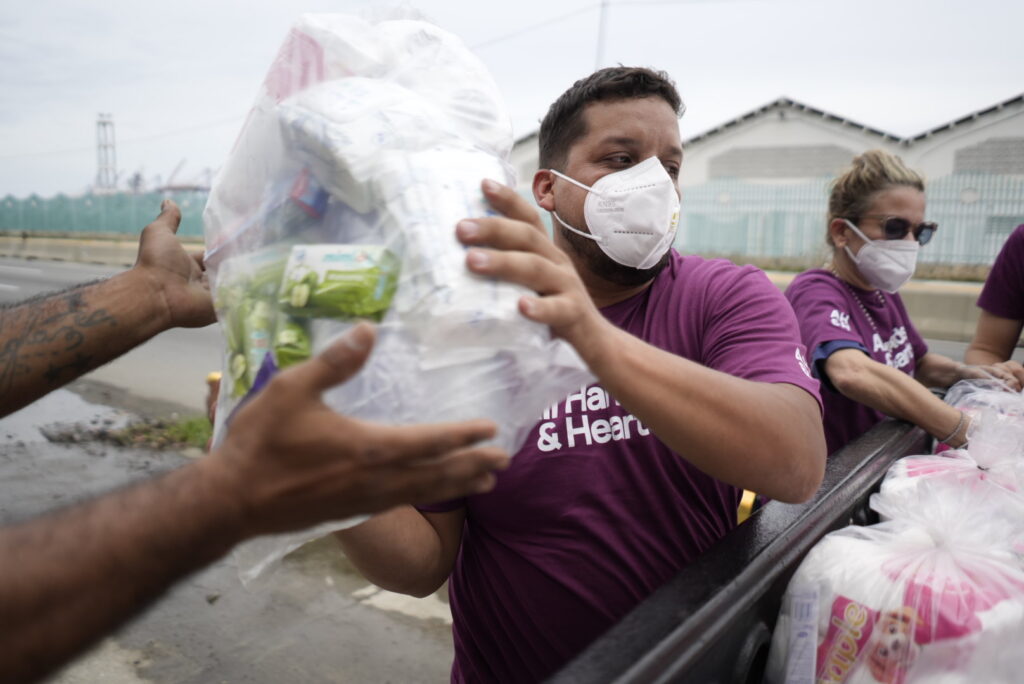
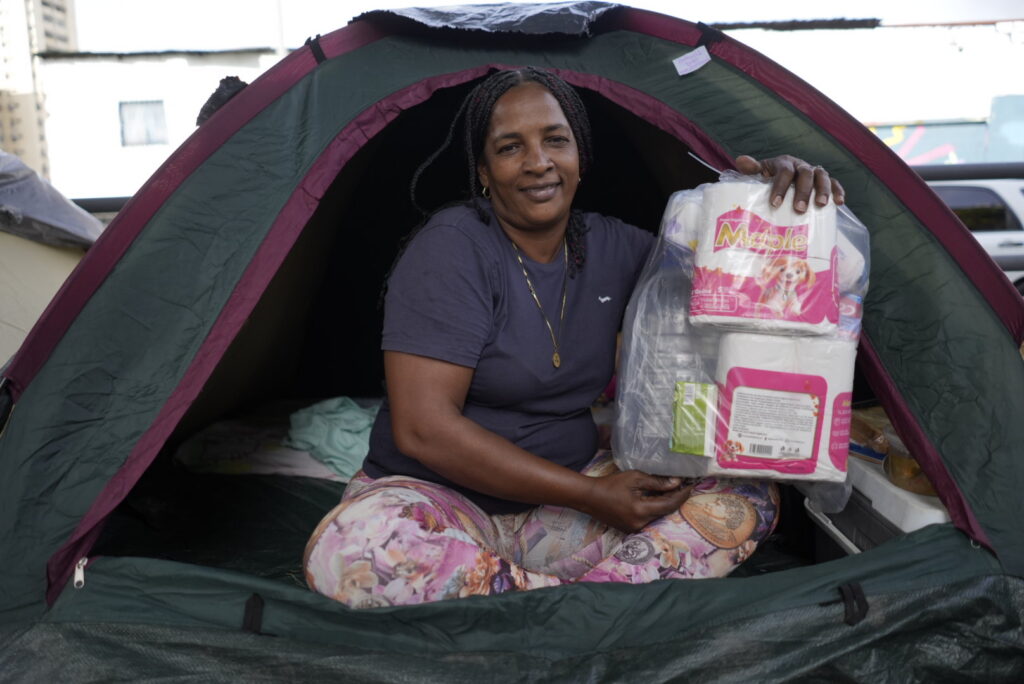
Later, the needs change to support families that lost their homes and have been displaced. Over the past three months, our team has rolled out around 150 initiatives across water, sanitation, and shelter, reaching over 200,000 people.
Here is a quick snapshot of what we’ve accomplished together:
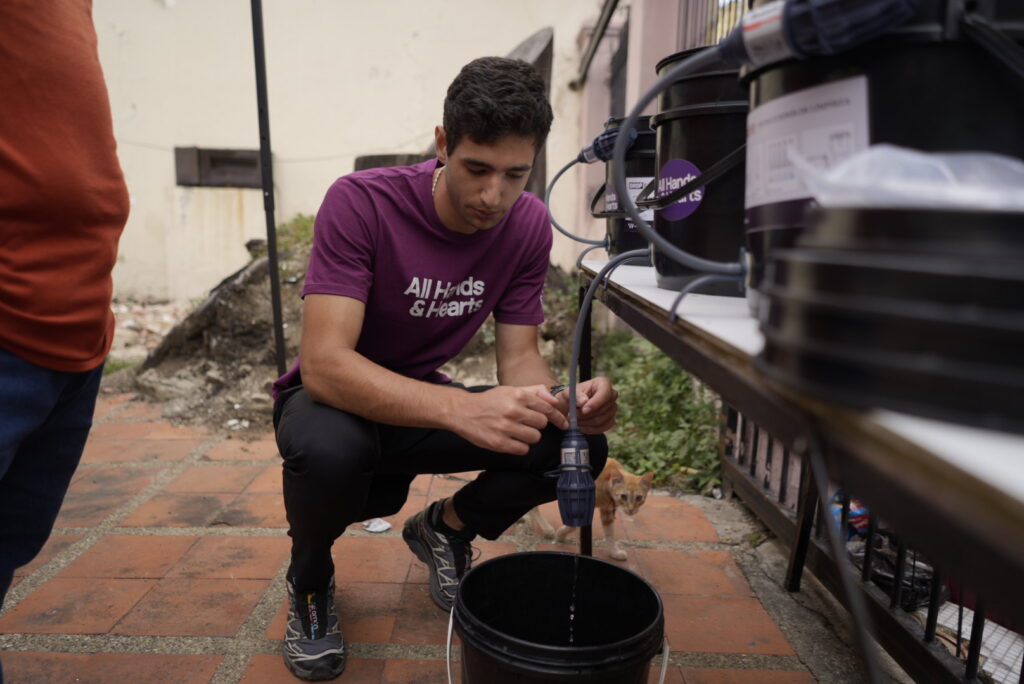
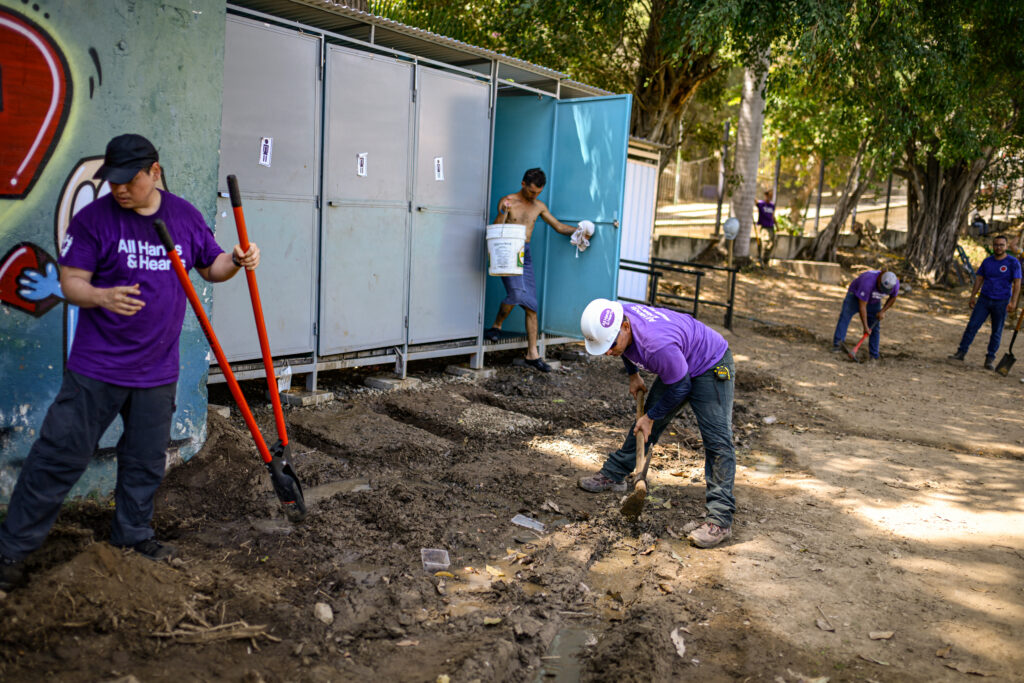
- Clean Water & Basic Needs (WASH): Set up hand-washing stations, community water filtration systems and handed out personal hygiene kits.
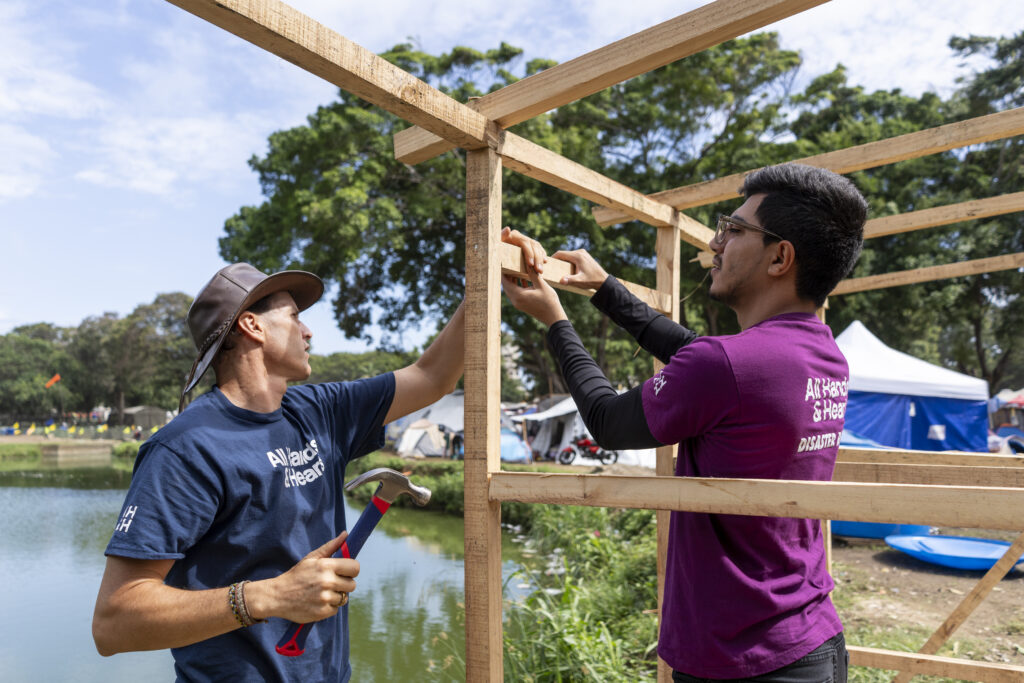
- Safe Places to Sleep (Shelter): Built temporary showers and set up rain-protected sleeping platforms, tents, mattresses and food supplies for families and pets staying in temporary camps like El Campito.
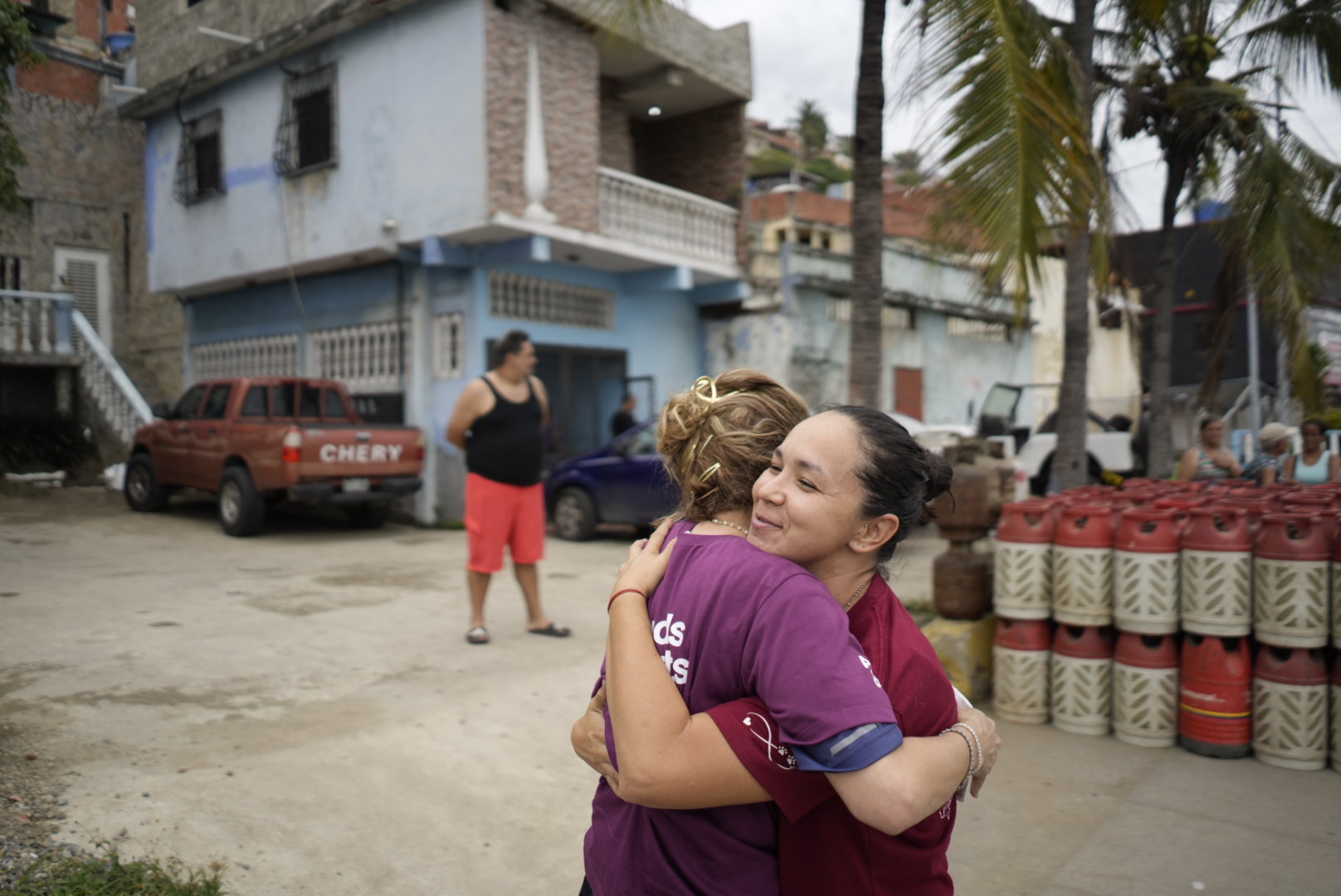
- Working Together: Partnered directly with local neighbors to make sure aid goes where it’s needed most. See how we supported community hero Aura, serving 100+ meals a day.
What’s Next: Getting Kids Back to Learning
Covering the basics like clean water and shelter is step one. But real recovery is also about helping life feel a little more normal again.
When talking with families in the displacement camps, one big question keeps coming up: “When will the kids go back to school?”
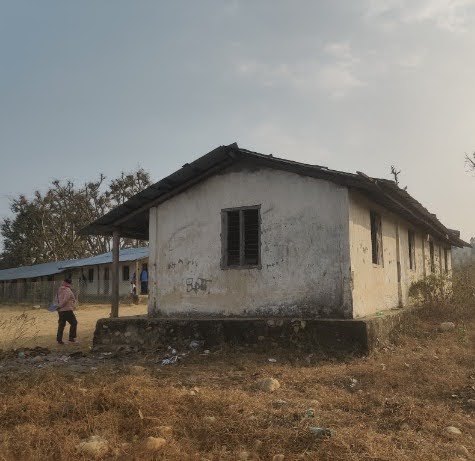
Even before the earthquakes, going to school was tough for many kids in the region, and now severely damaged buildings is making things even harder. Getting kids back into school not only protects their education and gets them off the street, but it gives parents the space to get back on their feet. This is why we’re working on:
- Learning Spaces: Building safe, covered spaces right inside the displacement camps so children have a bright, comfortable spot to keep learning.
- Fixing Up Local Schools: Teaming up with local organizations like Fe y Alegría and AVEC to repair damaged schools so kids can eventually get back into real classrooms.
Our work in Venezuela is far from over. Disaster recovery is a long journey, but sustained action creates lasting relief for families affected by crisis
Support Long-Term Recovery in Venezuela
Rebuilding after a disaster doesn’t happen overnight, but every bit of support helps families take the next step forward.
Thank you for your support.