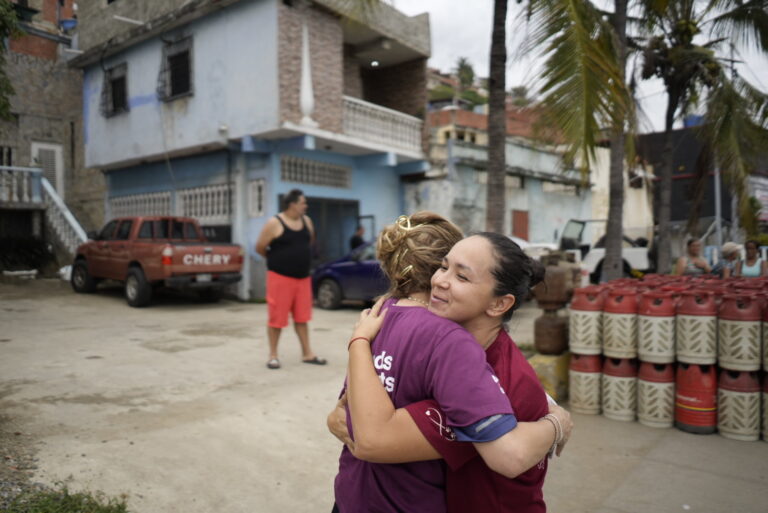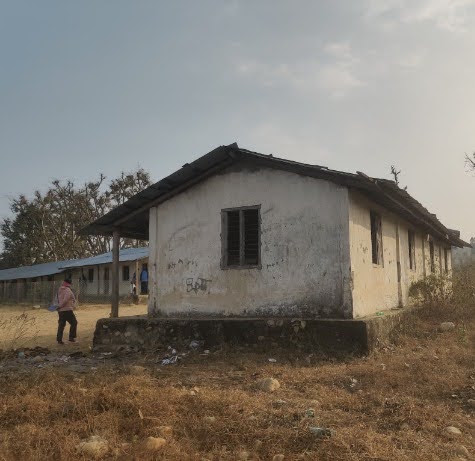
When Hurricane Melissa struck, communities across the island faced an unprecedented challenge. Over the months that followed, we worked alongside local families, workers, farmers, and small business owners to move from emergency relief to lasting recovery. We delivered food and water, cleared debris, tarped roofs, supplied repair materials, put cash into local hands, and trained thousands of people to build back safer.
The Storm
Hurricane Melissa, one of the most powerful Atlantic hurricanes in history, made landfall in Jamaica after days of ferocious winds and relentless surf across the Caribbean. As it neared Jamaica’s western coast, it intensified steadily and reached Category 5 strength.
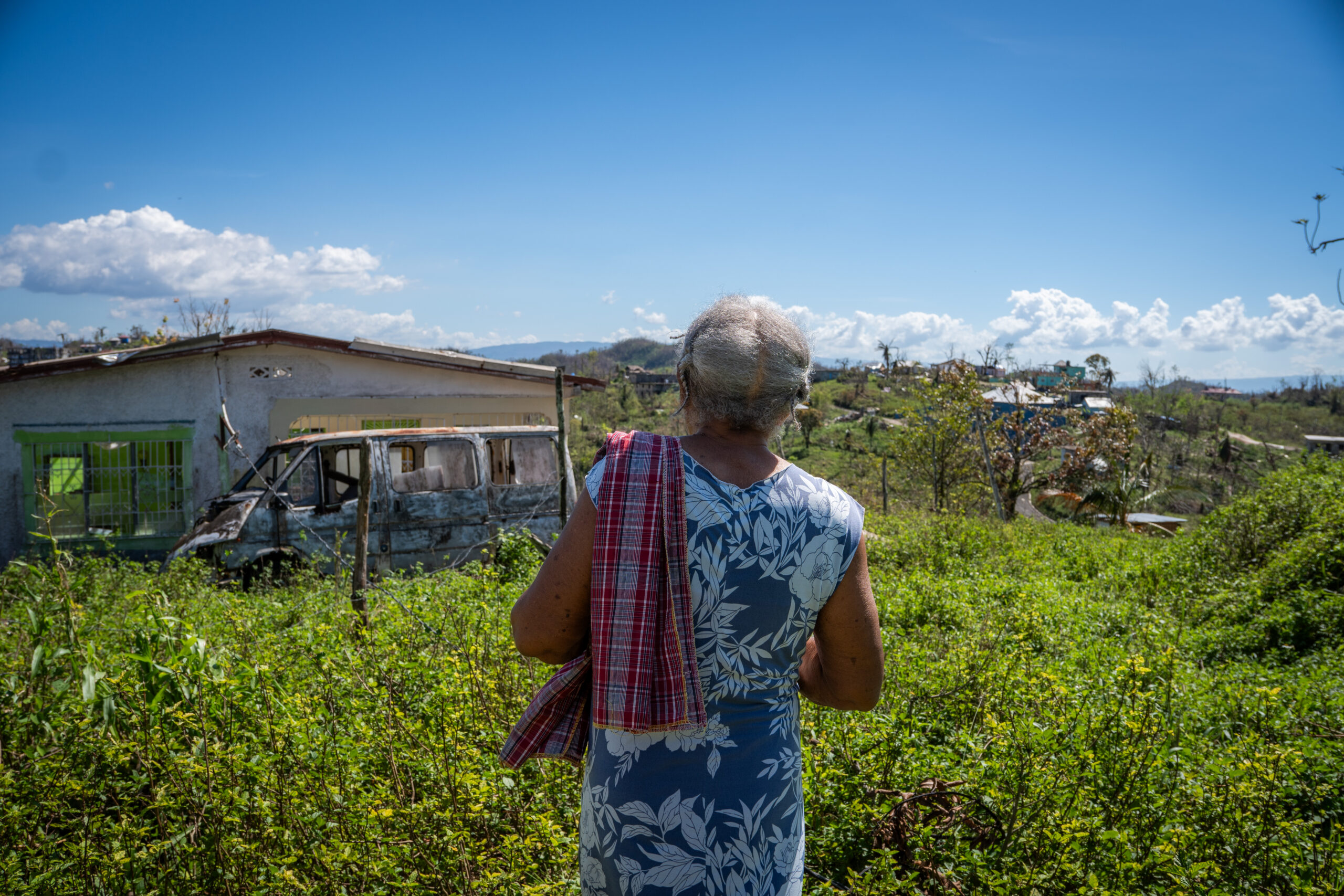
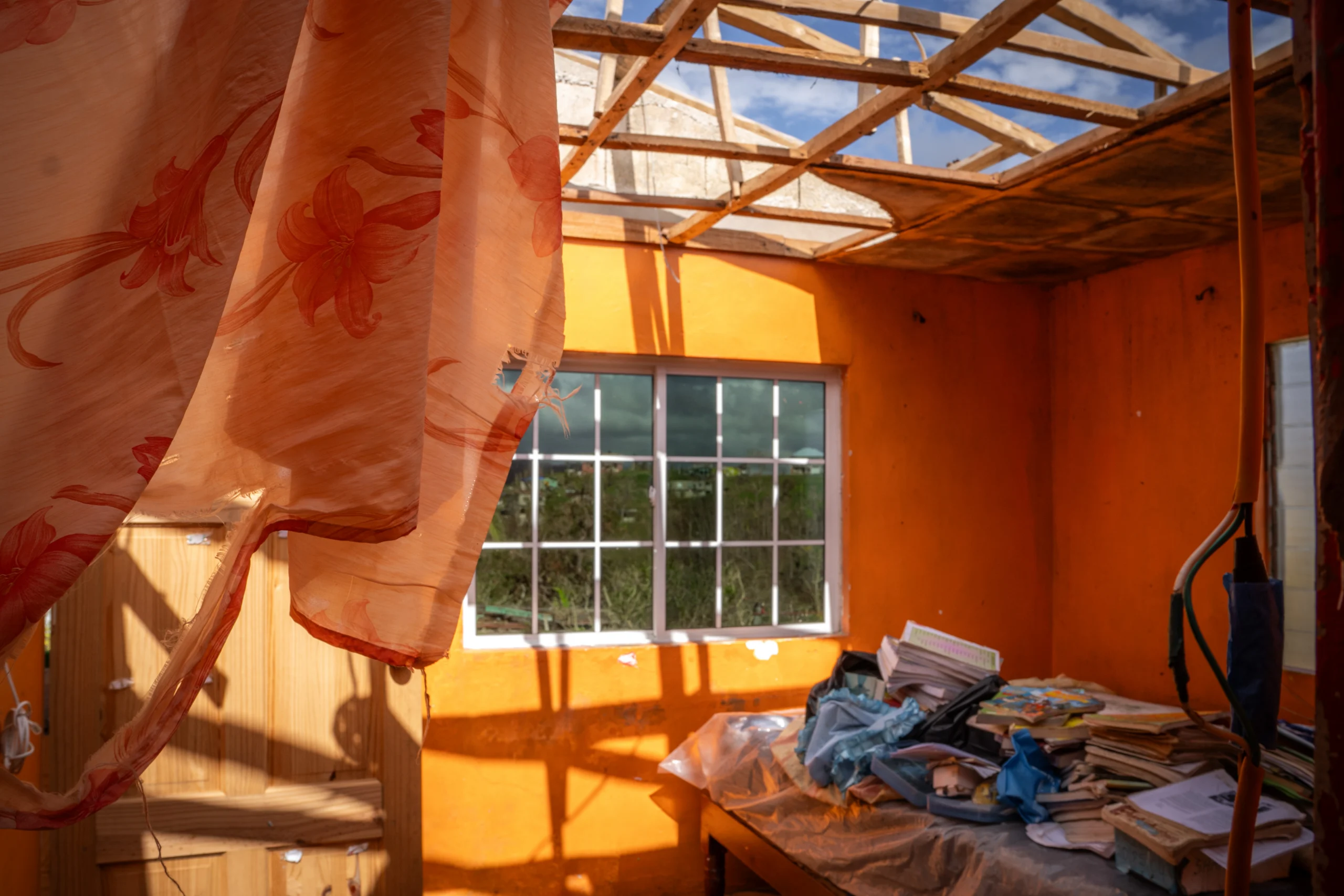
What made Melissa especially devastating was how slowly it moved. As it moved across the island, the storm battered Jamaica far longer than a typical hurricane, leaving widespread destruction to homes, schools, and hospitals. Wind damage, flooding, and storm surge compounded one another, and the damage is estimated at around $8.8 billion.
Recovery would take months before normalcy returned. Communities in Melissa’s path needed immediate humanitarian support and long-term relief, and that is where our work began.
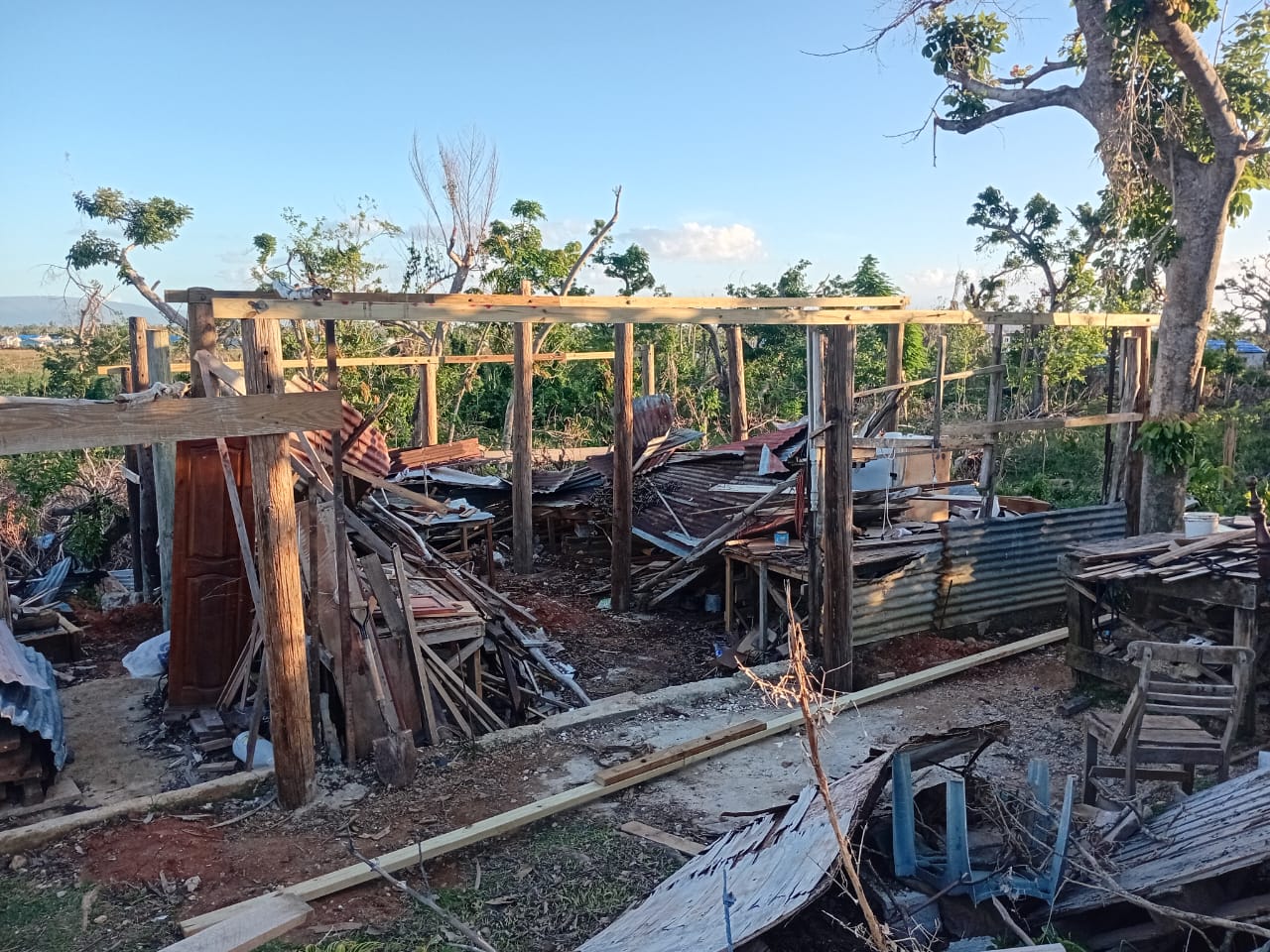
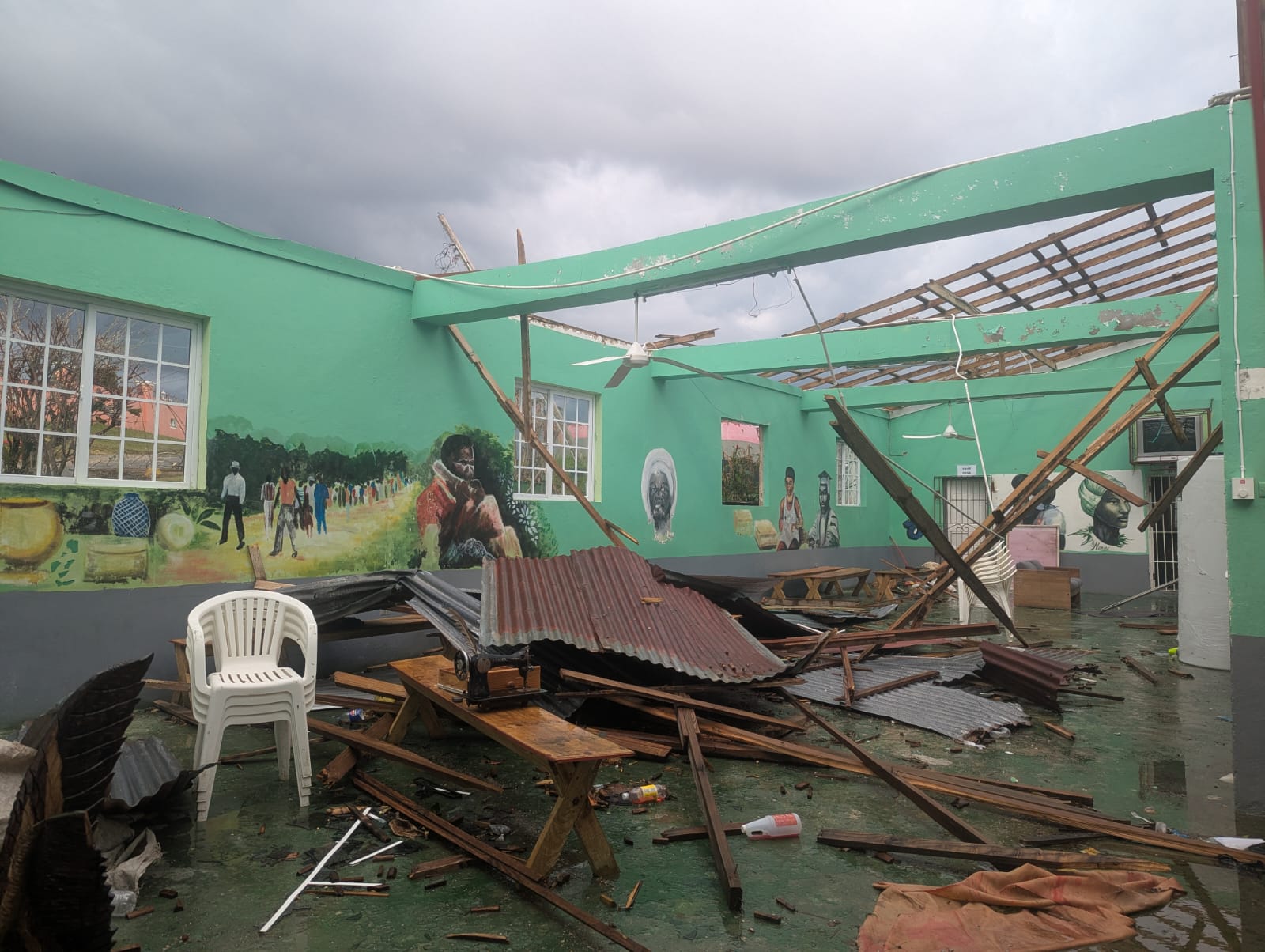
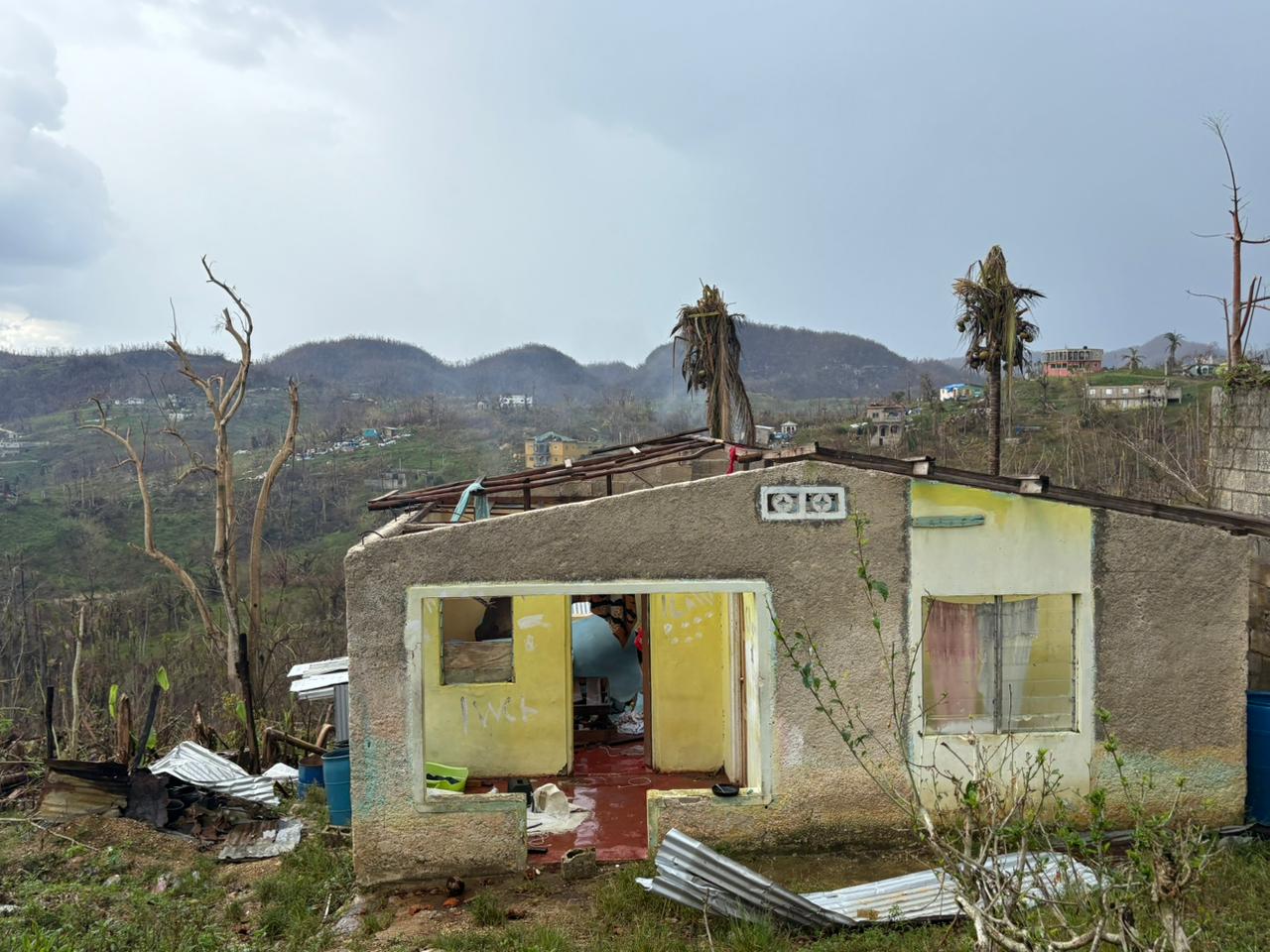
Emergency Response
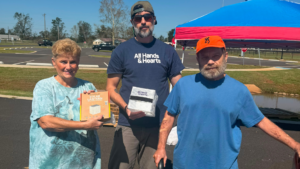
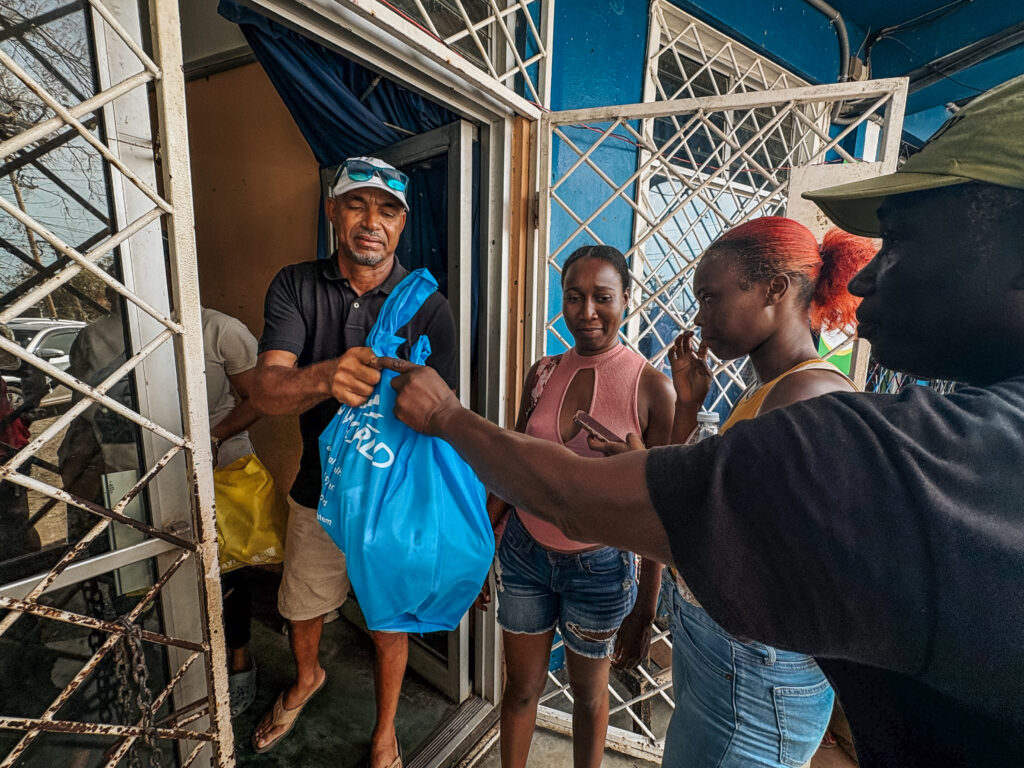
We started helping straight away. By November 3, AH&H had delivered pallets of food, water and hygiene kits to Treasure Beach, reaching nearly 4,000 people across nine parishes. We also sent food and water kits to Accompong, plus pallets to cut-off areas.
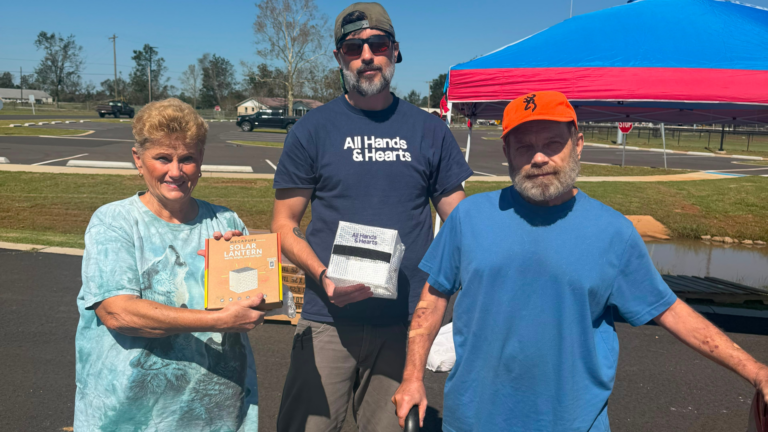
We cleared debris from schools, community buildings, and homes in Accompong, then handed out Haven solar lamps to the community, which still lacked power.
We removed fallen trees, cleared roads, supported a group of arborists, and delivered food, water boxes, and water filters to remote areas.
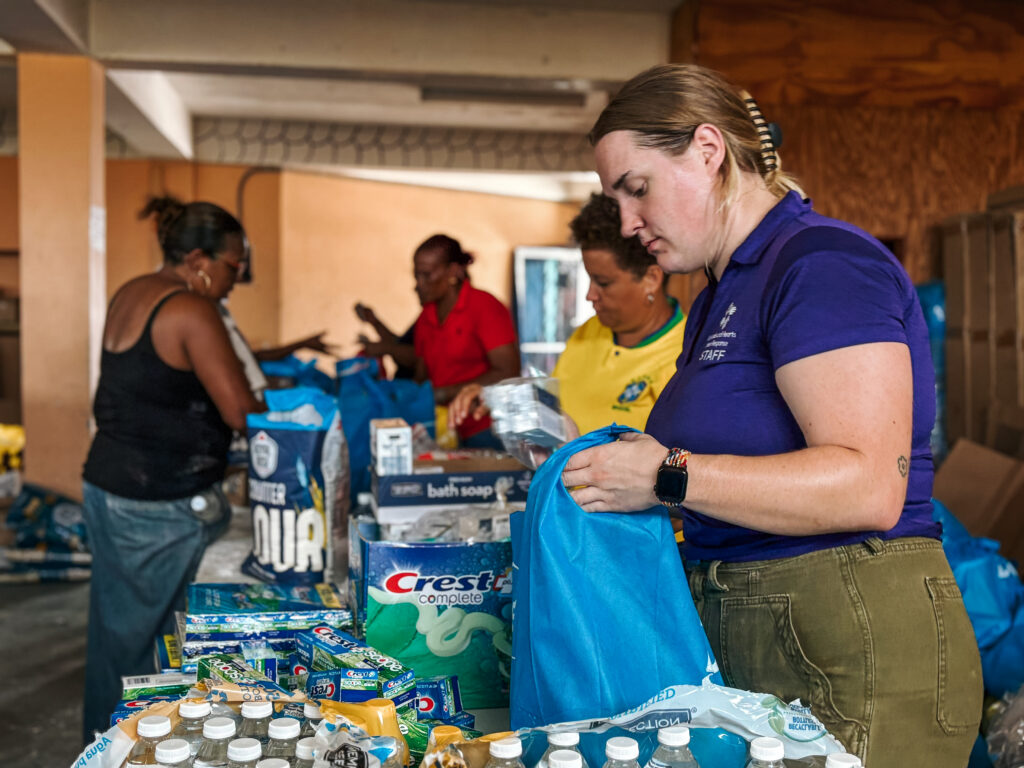
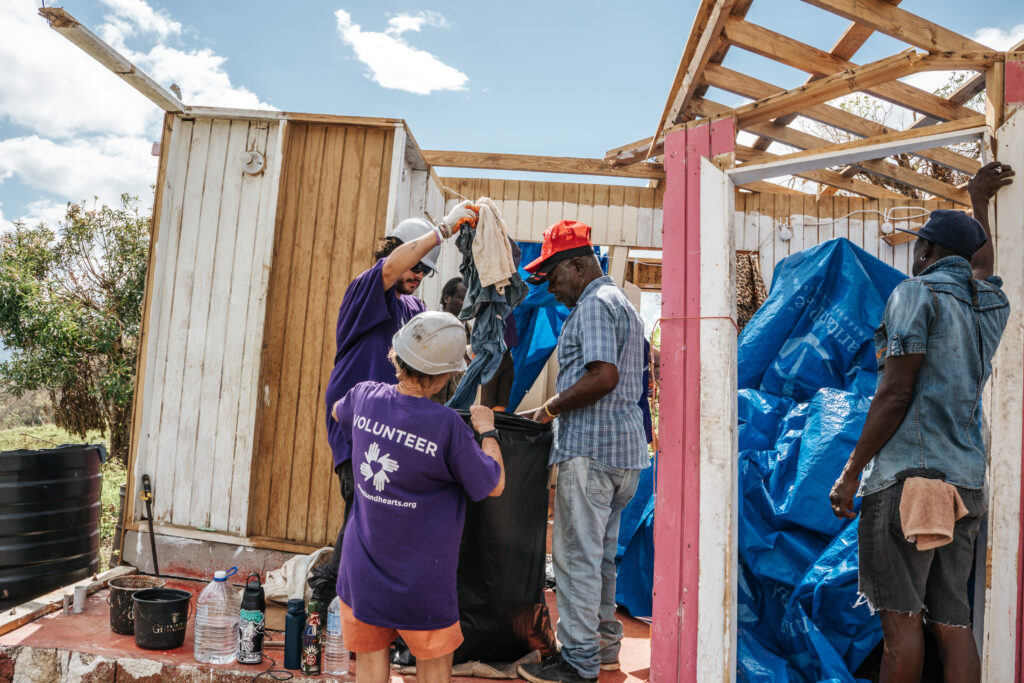
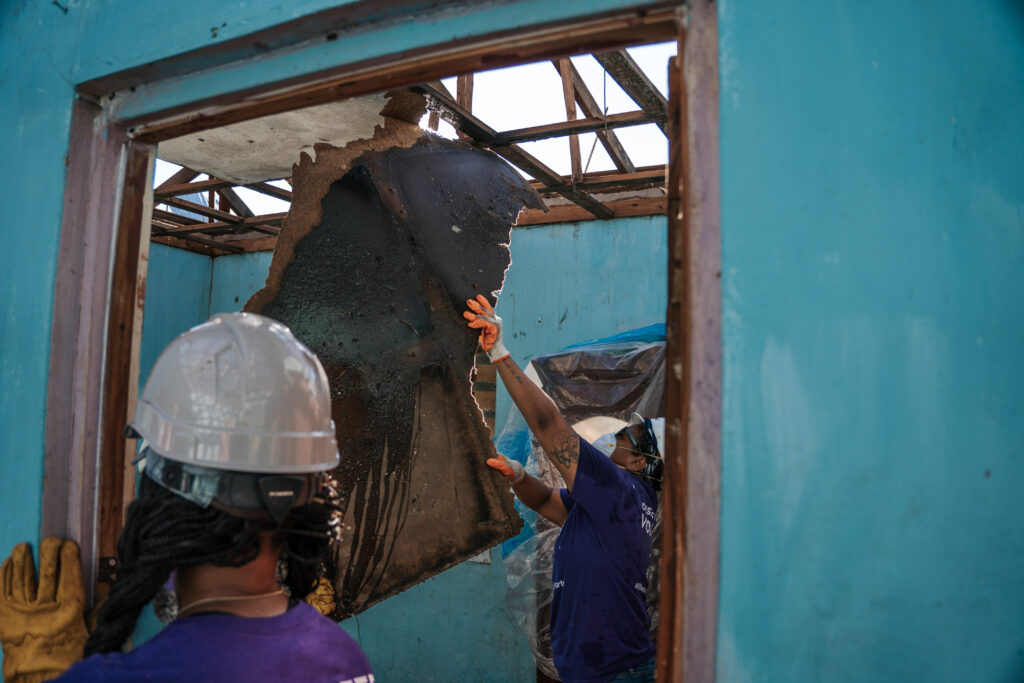
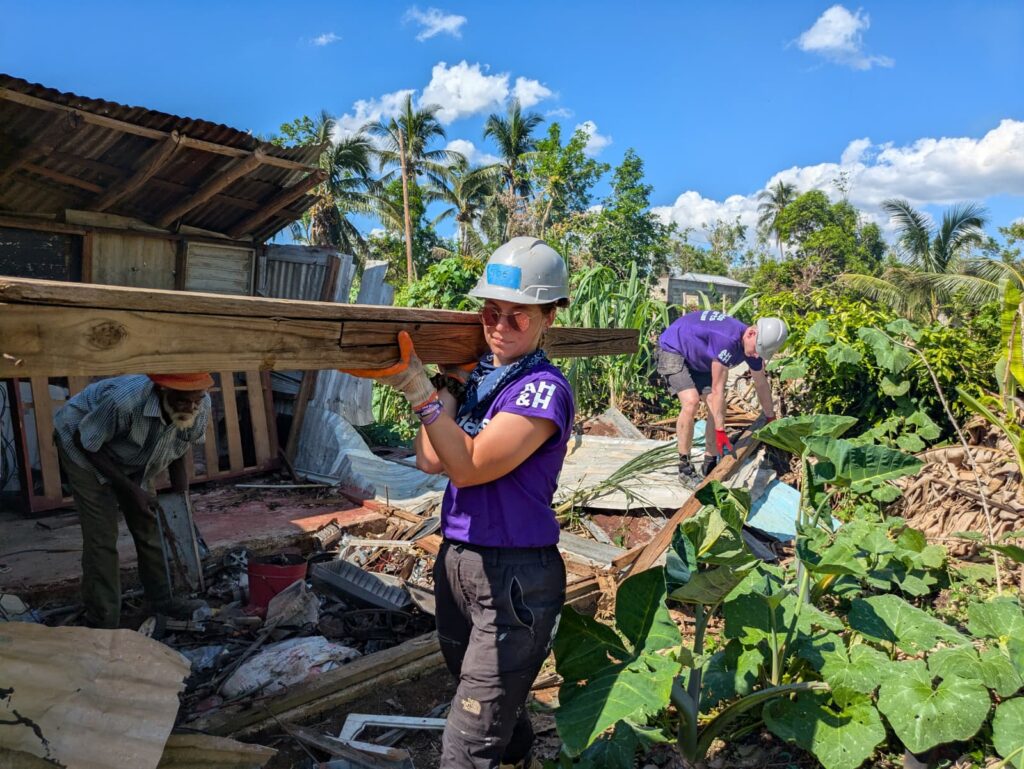
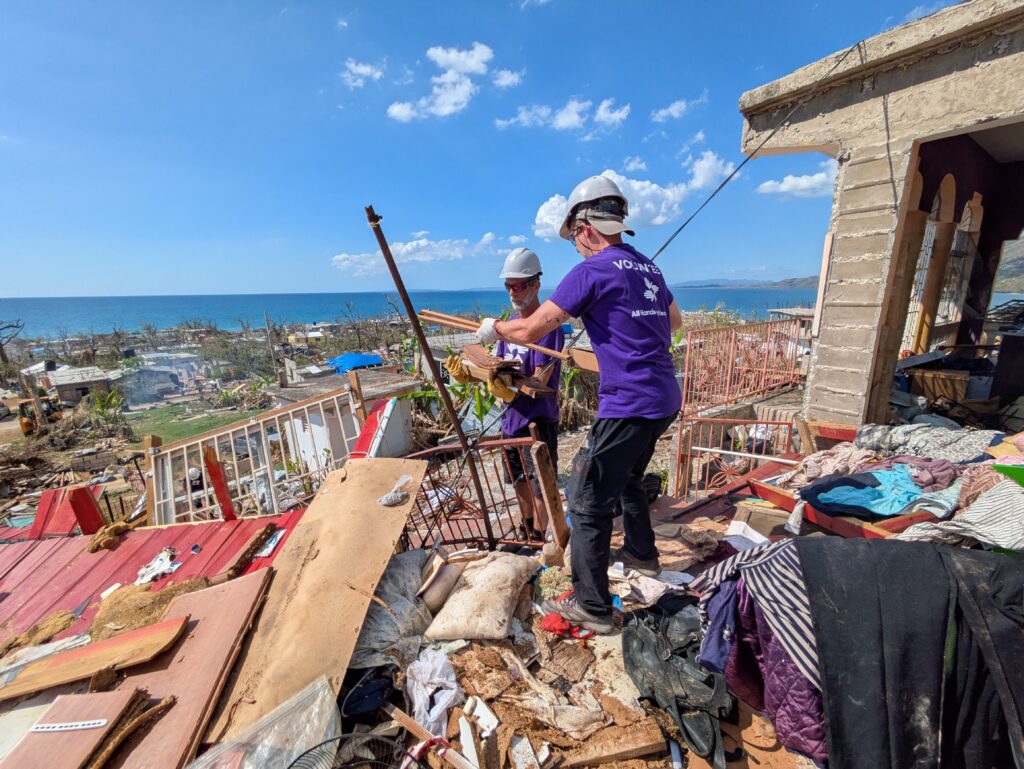
Emergency Tarping: In the days after the storm, tarps replaced torn-off roofs, protecting families and belongings from the rain while longer-term repairs got underway.
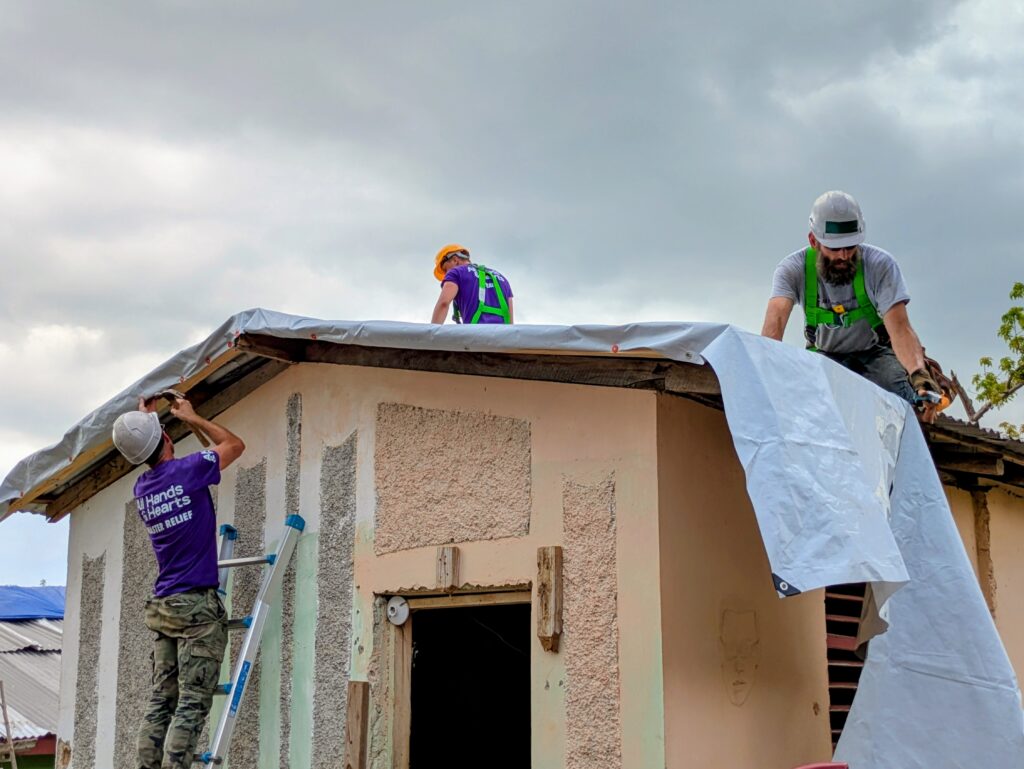
From Emergency Response to Long-Term Recovery
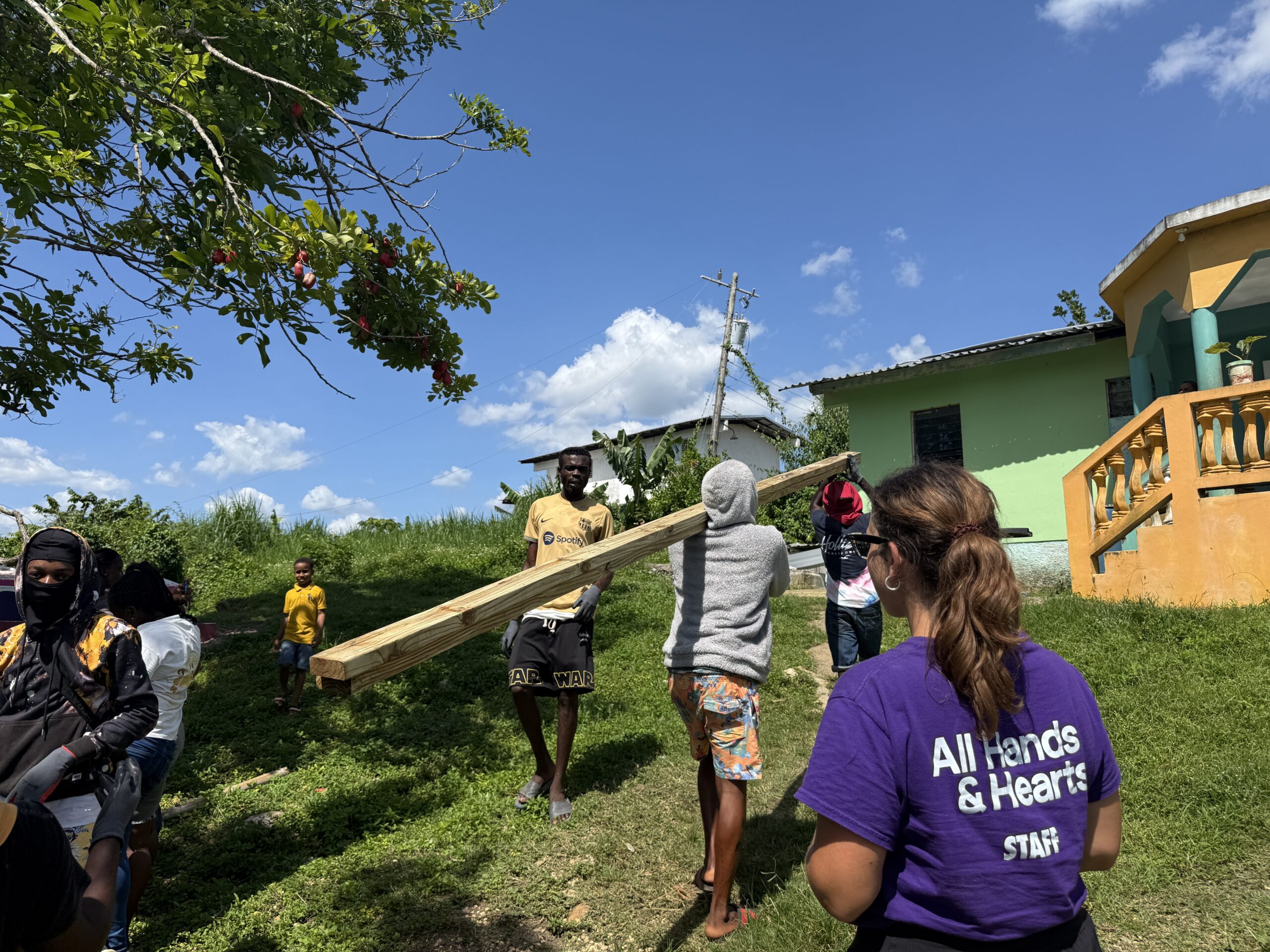
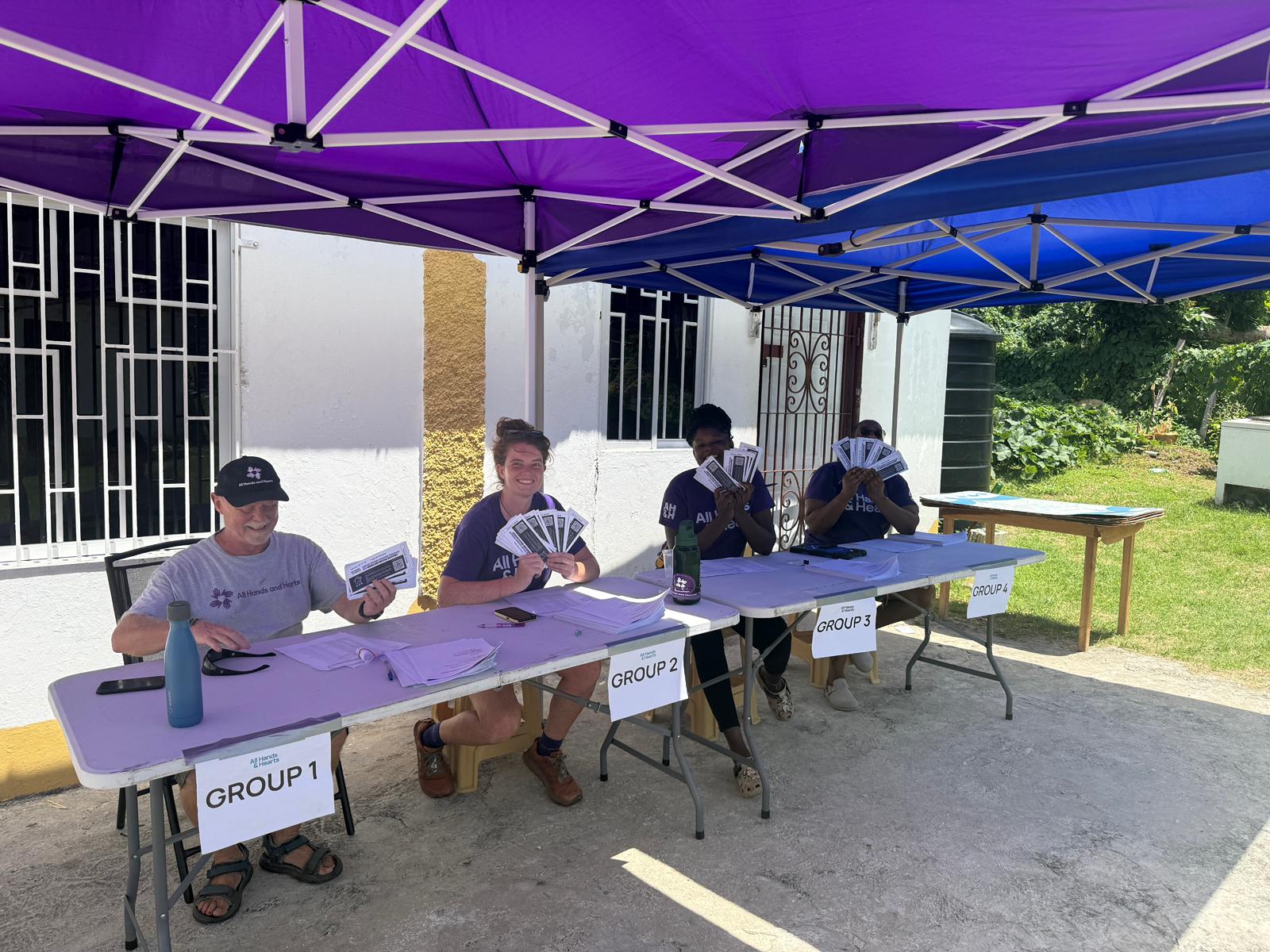
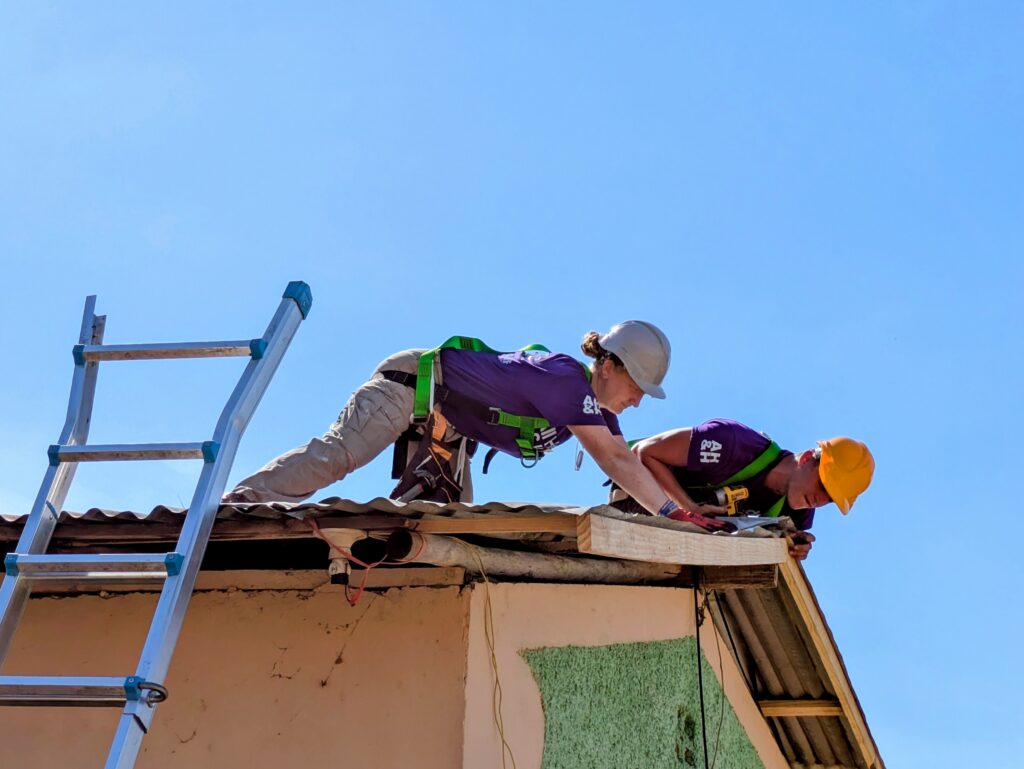
Heavy Shelter Repair: For significant structural damage, 220 households (797 people) received heavy roofing kits (worth $720) in Elim, Coker and Barton. Our team installed 17 of them (64 people), and the other 203 households (733 people) received Cash for Repair awards to pay for installation.
Light Shelter Repair: For homes with minor to moderate damage, we prioritized the elderly, people with disabilities, and female-headed households. 969 households (3,237 people) received vouchers for local hardware stores. 129 households received light roofing kits, and 120 also received Cash for Repair awards to pay for installation.
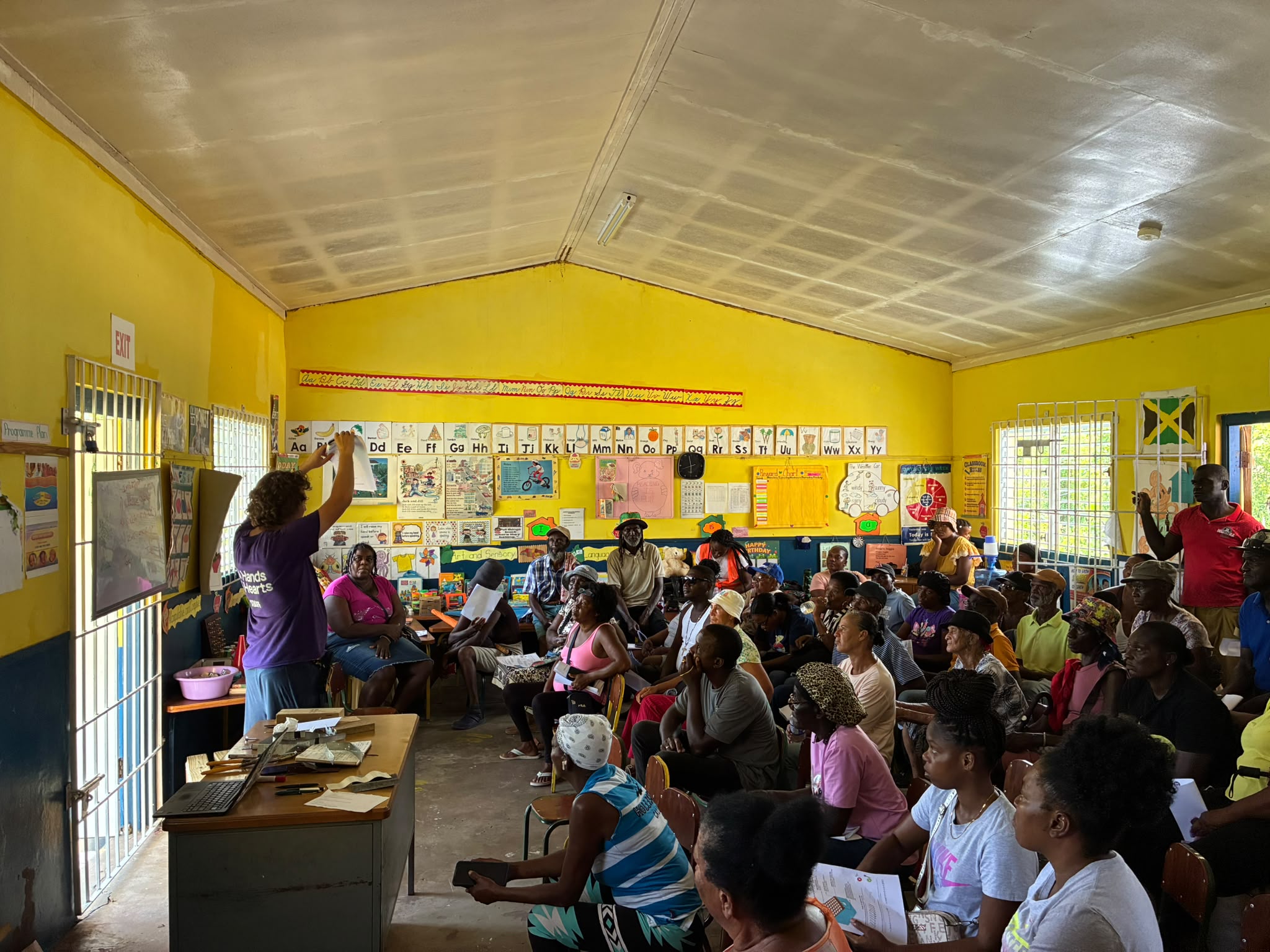
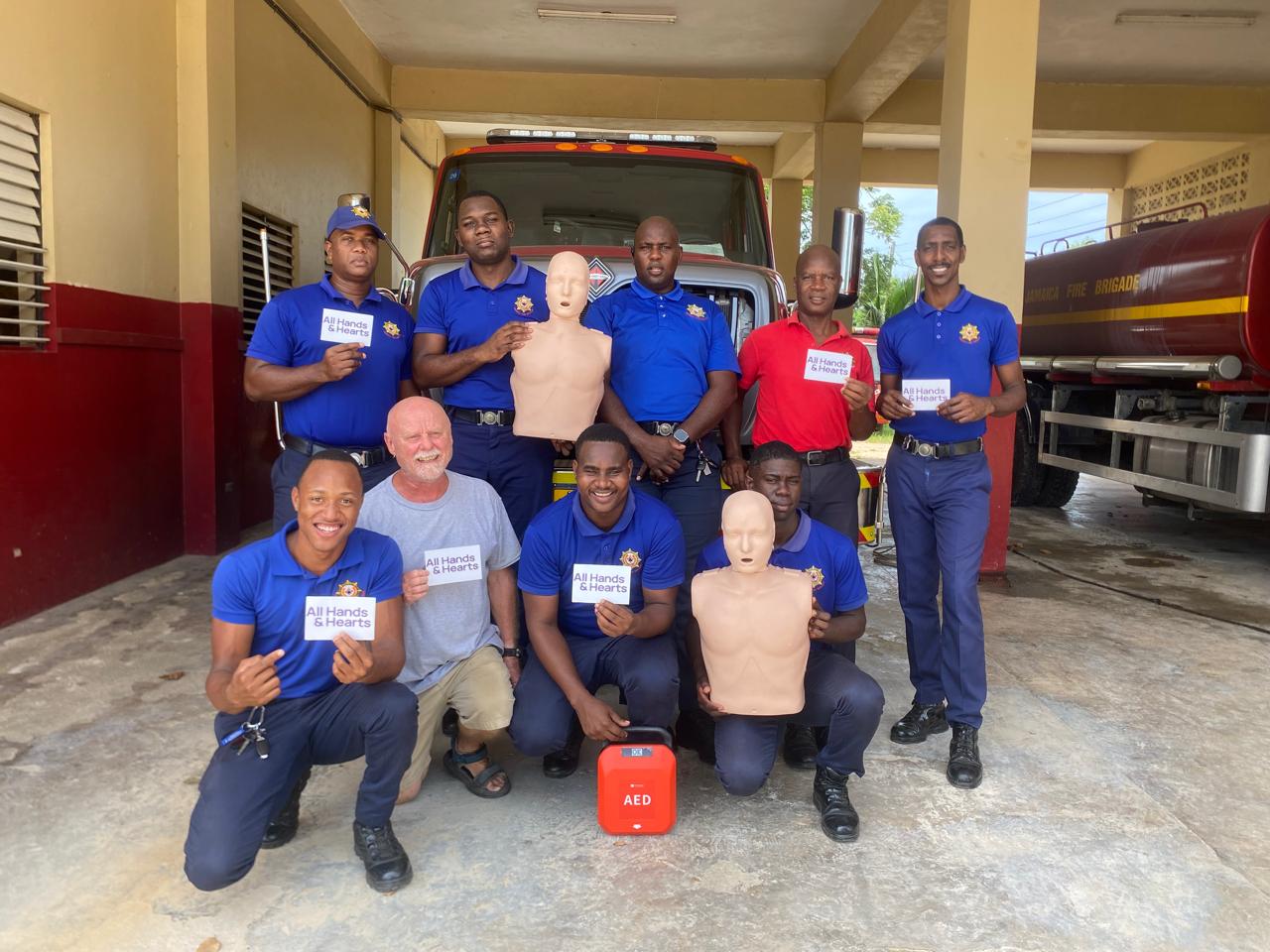
Build Back Safer Trainings: About 3,400 people learned Build Back Safer principles to reduce damage in future hurricane seasons. Over 1,000 attended in-person classes, and we reached the rest through flyers. We also trained 33 firefighters in CPR, catastrophic bleed control, and AED use.
Cash for Repair: Everyone who received a roofing kit also received cash to pay for installation, turning materials into safe roofs and keeping money circulating in small communities.’
Cash for Work: 201 people, many of them unemployed youth, earned short-term income and put money back into local economies.
Roofs that Last
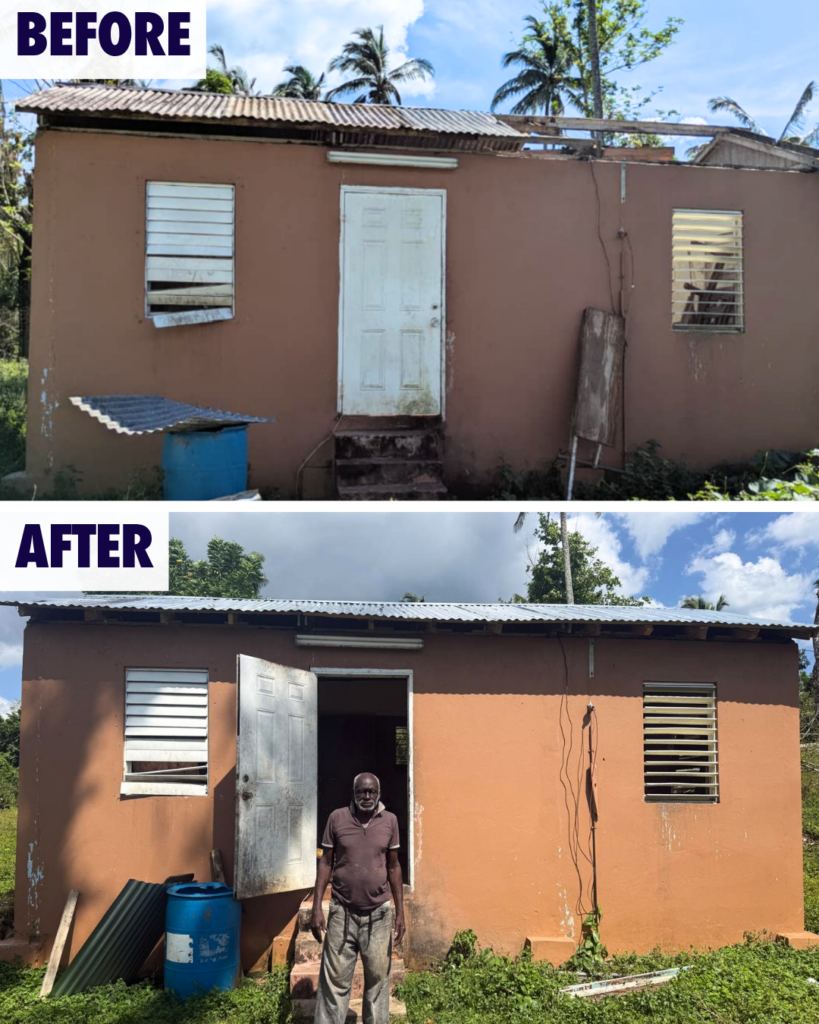
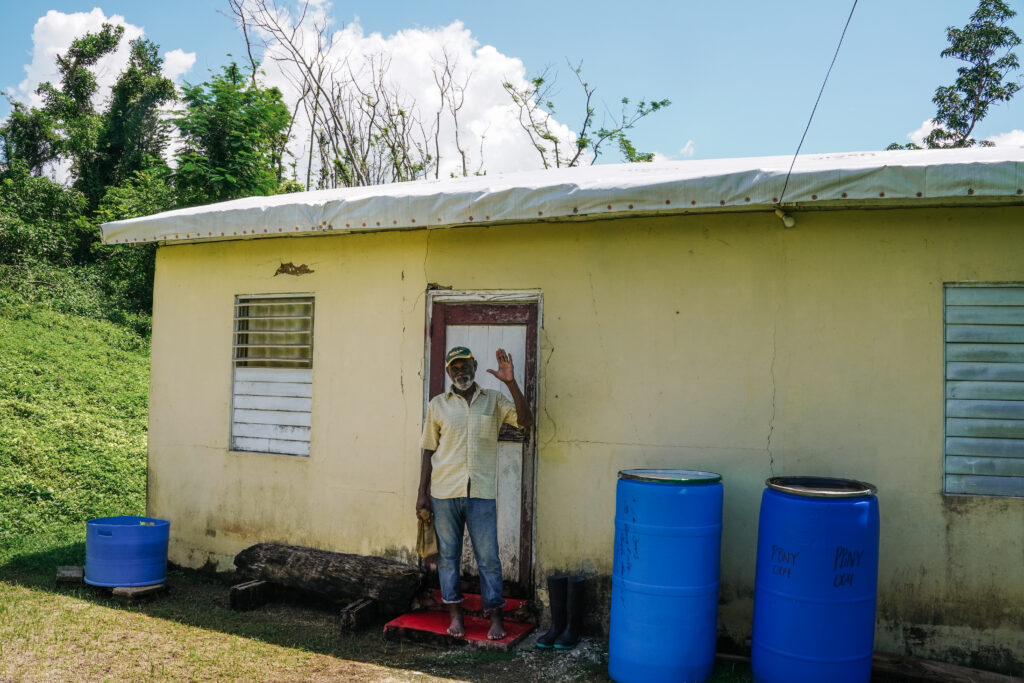
For many families, recovery came full circle with us. They first had their roofs tarped after Melissa tore them apart. We then supplied a roofing kit and covered the labor to install it. Today, these households have dry, safer homes and are better prepared for the next hurricane.
Donald Brown of Elim is one example. After the storm, we tarped his roof, then supplied a roofing kit and covered the labor to install it. Today, Donald has a dry, safer home.
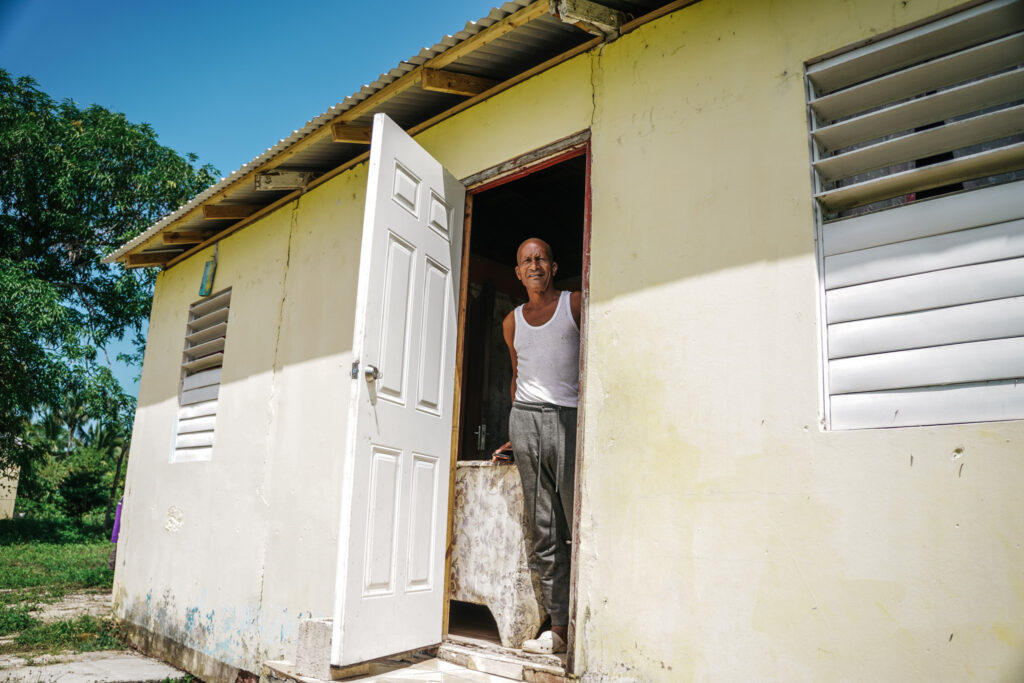
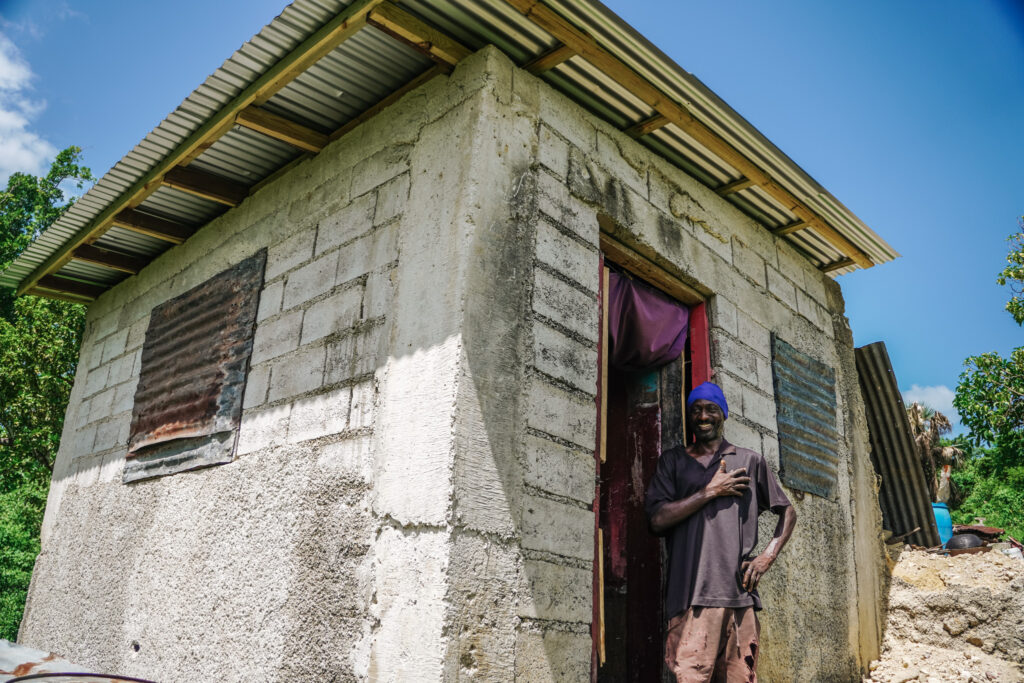
Community Spotlight: Elim
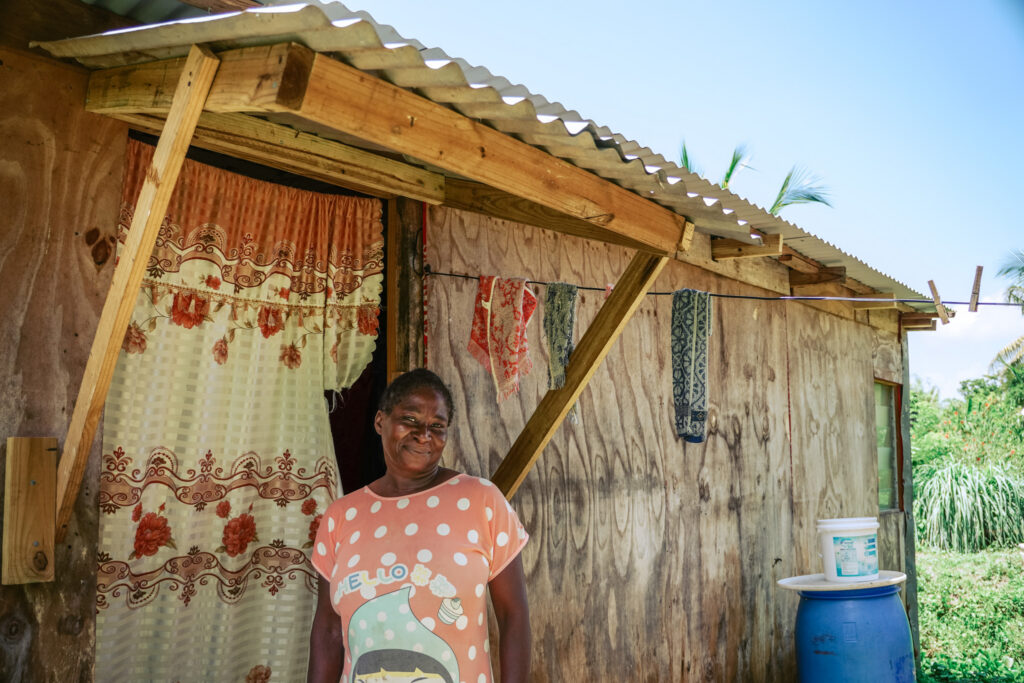
Elim, a farming community in north St. Elizabeth, received no government or NGO support despite the storm hitting its homes hard. We tarped 35 houses, then delivered 51 heavy roofing kits. All 51 households received Cash for Repair grants, and 46 finished repairs on time for the second payment, well above expectations.
Small Business Recovery Program
Under our small business recovery program, we granted 40 small business grants of JMD 800,000 each, which helped restore 123 local jobs.
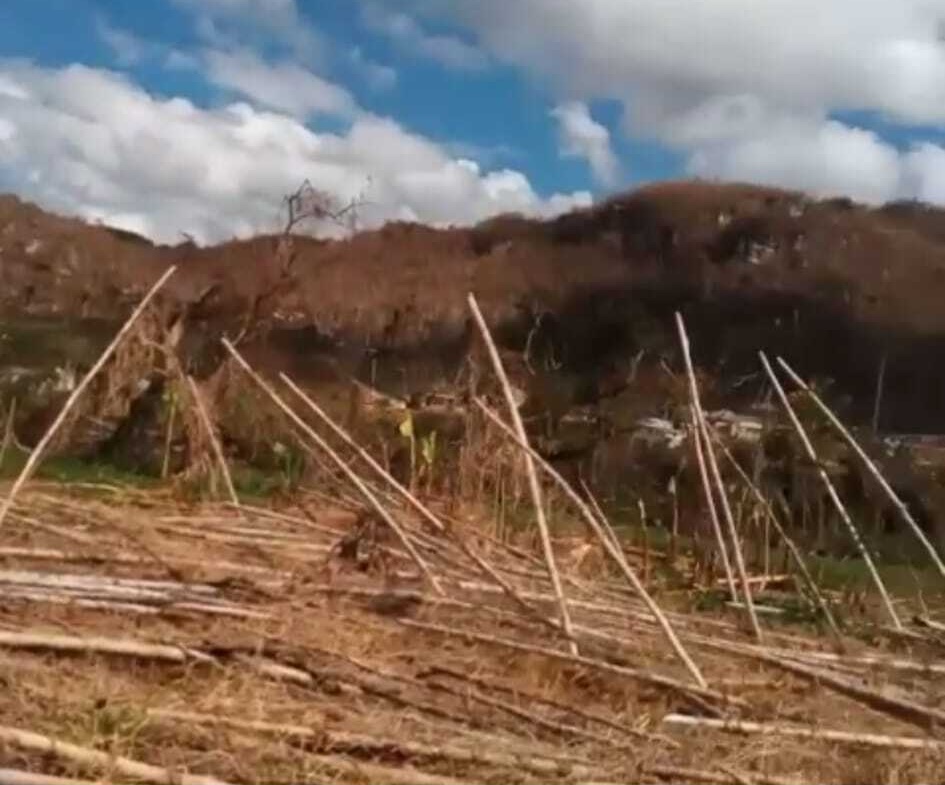
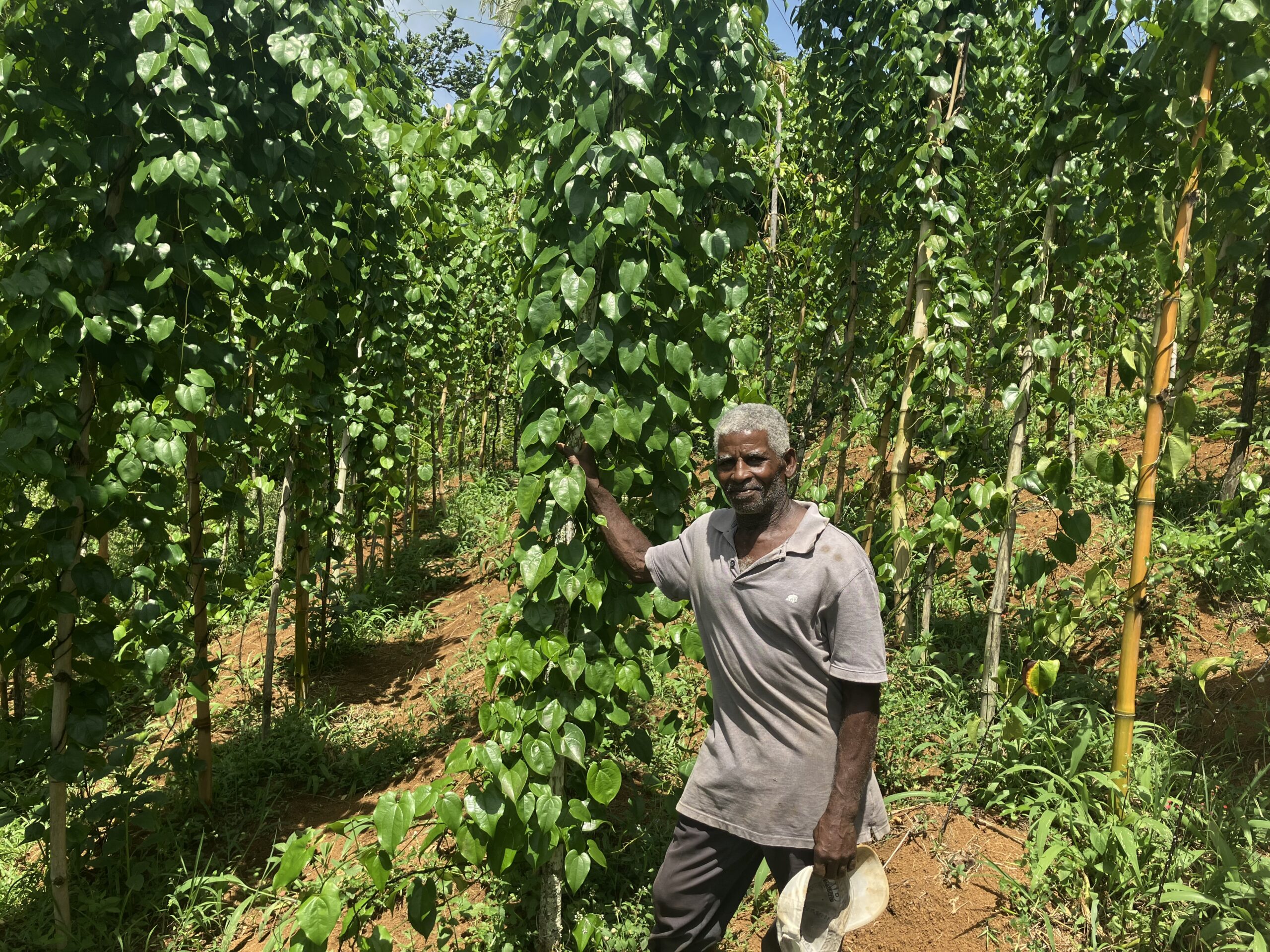
Business Spotlight: Slater Farms. Eric Slater has farmed yams, plantains, bananas, and sugar cane for 43 years. Melissa flattened his crops, and the seawater ruined his soil. He had no insurance, couldn’t get a loan, and had to cut his workers’ hours in half. The grant let him pay his crew and restock yam sticks, fertilizer, and machetes. “Thank God I’m still alive, and I’m still working,” he said. Today his farm is thriving again.
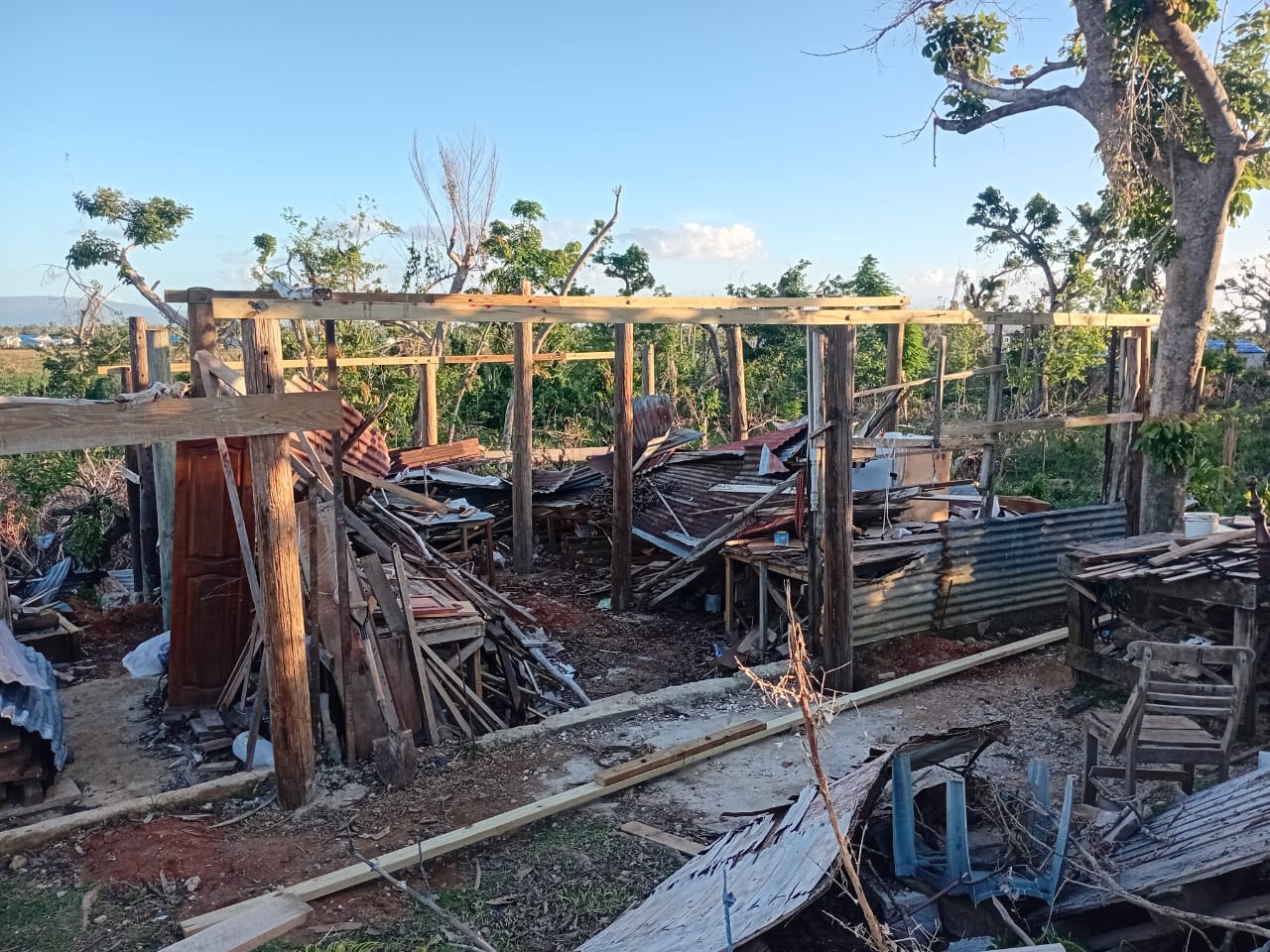
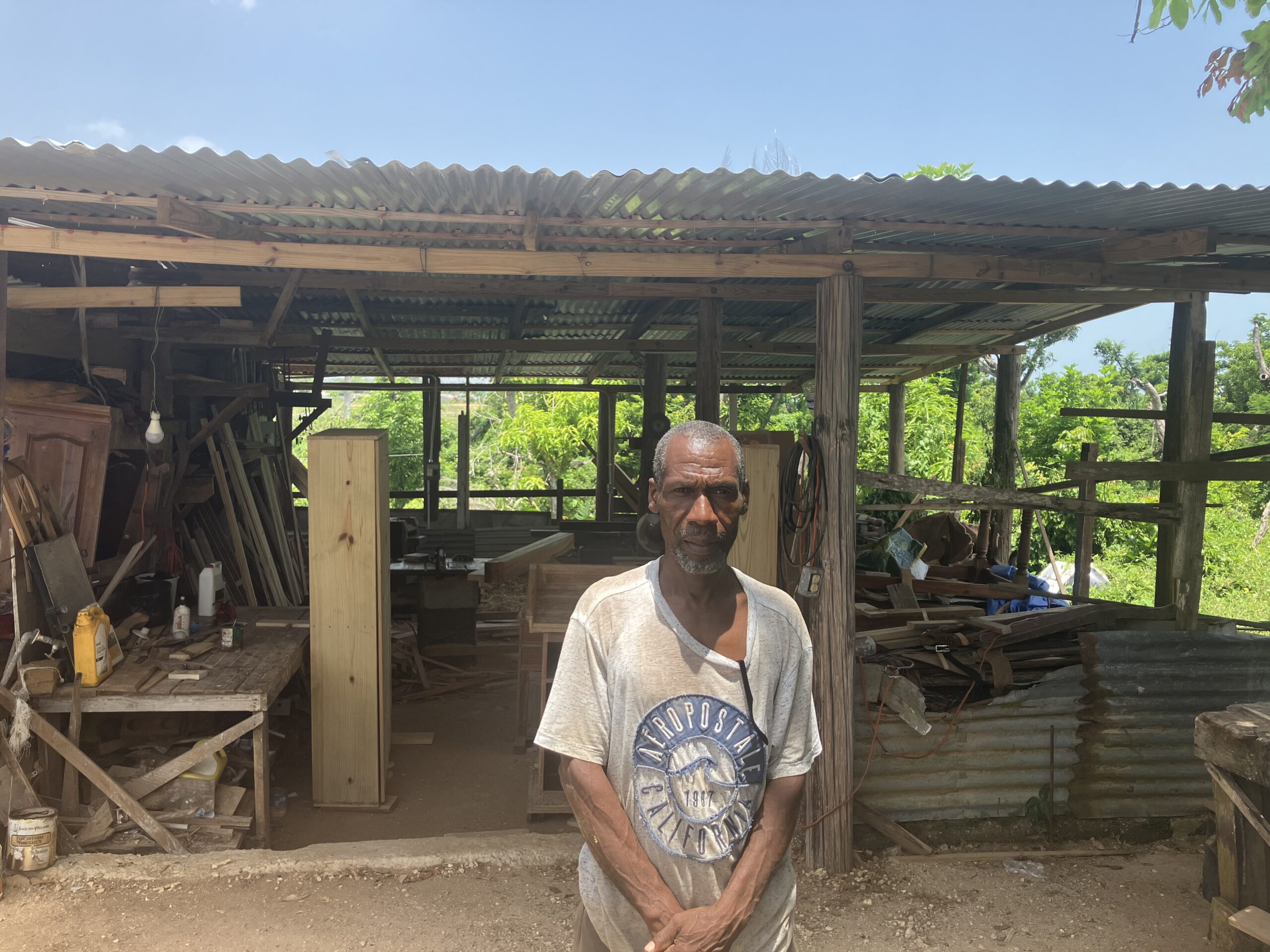
Business Spotlight: Derbies Woodshop. Courtland Blake is a skilled woodworker who builds and sells cabinets, doors, bed frames, and more, supporting his family, his daughter’s college education, and two employees. Hurricane Melissa destroyed his workshop. With his grant, Courtland repaired his electrical system, installed a new roof, and bought new equipment. “If it weren’t for this grant, I wouldn’t have the roof. I wouldn’t have come this far,” he says. Today, his business is back up and running, and he’s much closer to a full recovery.
Thank You
All of this was made possible by people who showed up for Jamaica. To our donors, thank you for responding so quickly in the first days after the storm and for staying with us through the long work of recovery. Thank you to our partners for funding that helped small businesses get back on their feet and families get their roofs repaired.
To the local workers, arborists, firefighters, and community leaders who worked beside us, thank you. You cleared roads, installed roofs, delivered supplies to remote areas, and kept money circulating in your own communities. And to the families of Treasure Beach, Accompong, Elim, Coker, Barton, and beyond, thank you for welcoming us into your communities and trusting us to be part of your recovery.
Our initial work in Jamaica may be finished, but the strength and resilience we saw there will stay with us. Thank you for being part of this journey. We will return to Jamaica in 2027 to begin a rainwater harvesting project.
Keep this work going worldwide.
Thank you for your support!