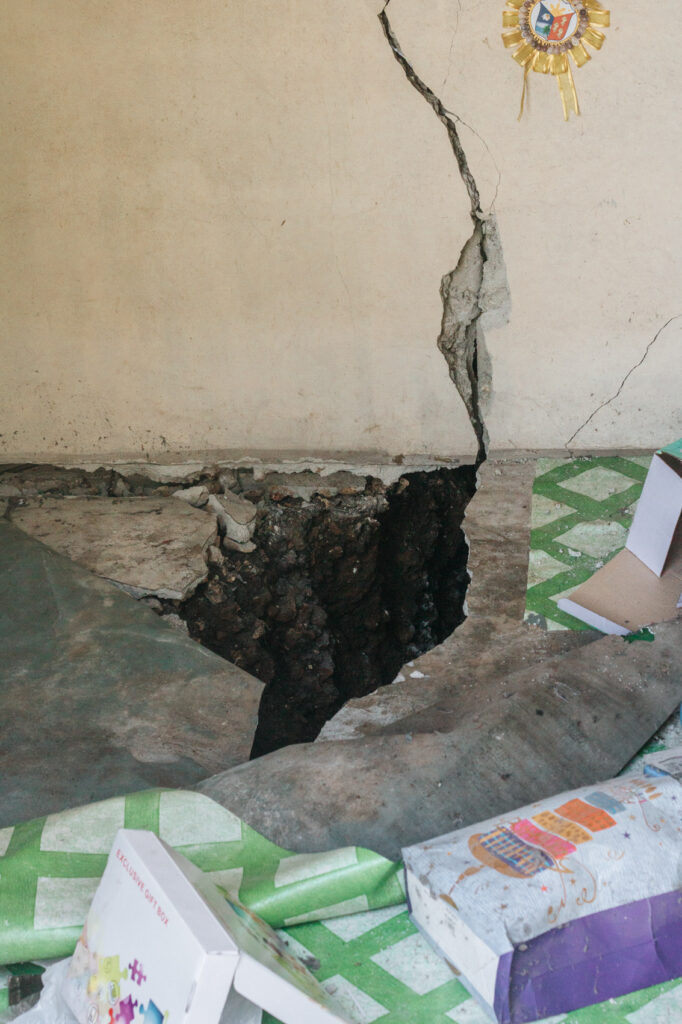
On September 30, 2025, the earth beneath Northern Cebu shifted without warning.
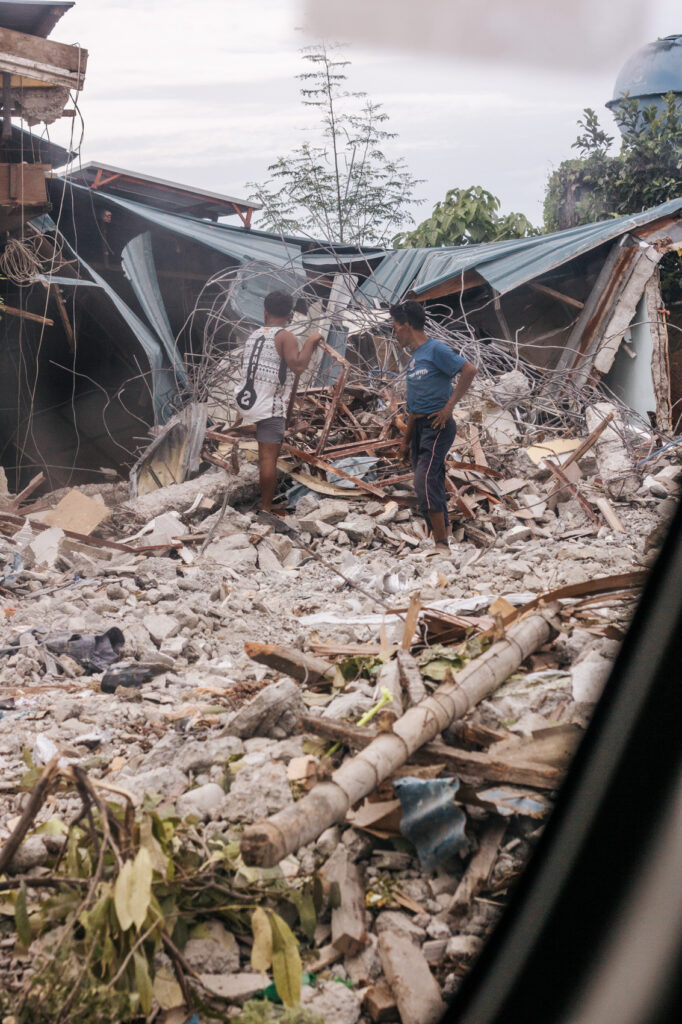
A major 6.9-magnitude earthquake tore through Cebu Island, cutting families off from electricity, safe shelter, food, and clean water in a matter of seconds. In the days that followed, powerful aftershocks kept coming. Many families were too afraid, or simply unable, to return to what was left of their homes.
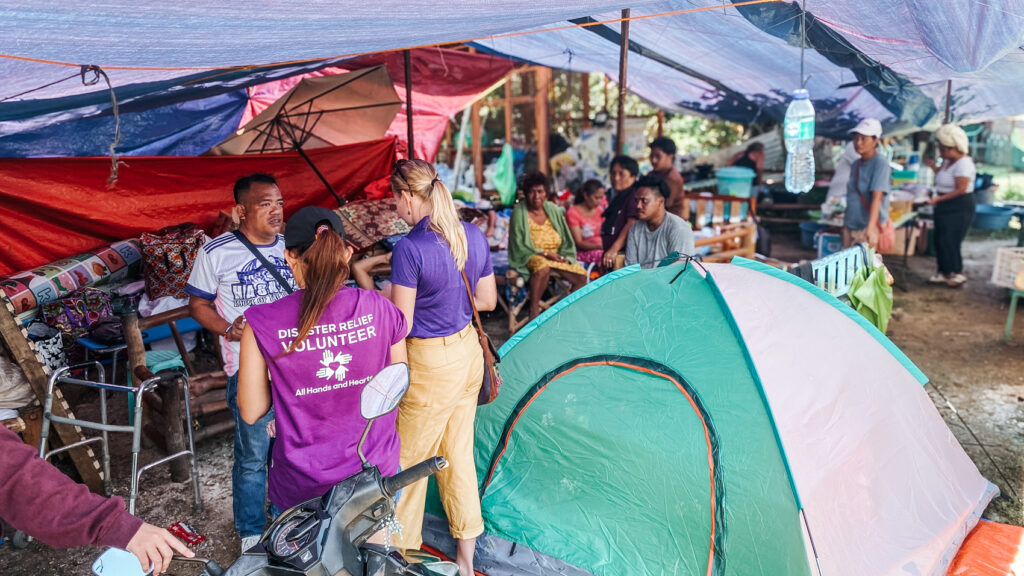
Instead, thousands slept shoulder-to-shoulder in crowded tents, unsure how long this temporary reality would last.
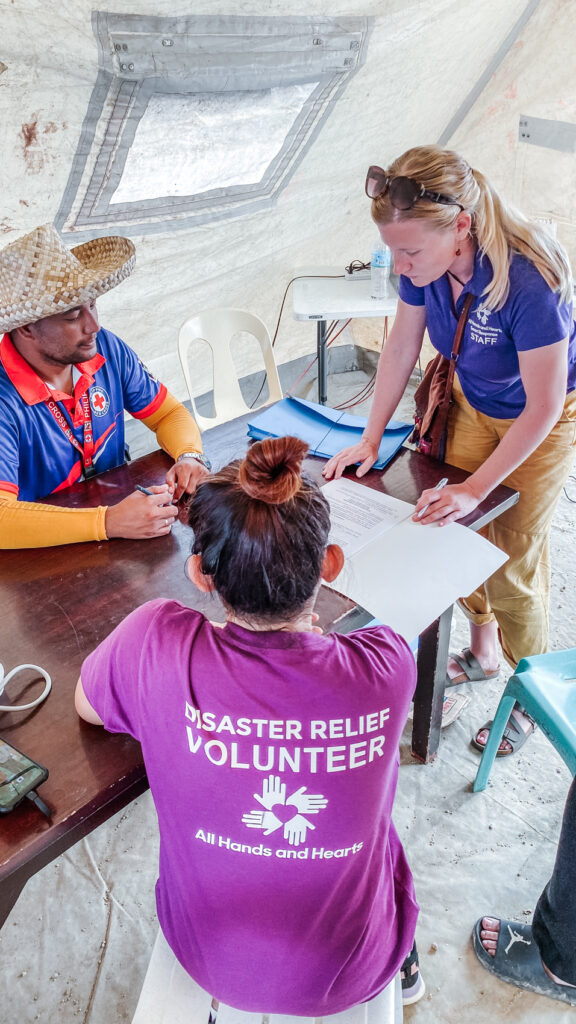
Because of our longstanding presence in the Philippines, our team was already in-country when the earthquake struck. Within hours, we were moving to reach remote barangays (townships) and listening closely to what communities said they needed most.
Responding in the Immediate Aftermath
From the moment the earthquake struck, our team focused on restoring the essentials people needed to survive and recover:
- Power restored to Tolibao Health Center, evacuation sites across multiple barangays, a Tent City in Cebu, and a local medical organization through generator support
- Large-scale food distributions reaching more than 15,000 people across six barangays
- Psychological First Aid for adults, youth, and children coping with trauma
- Access to safe drinking water through the distribution of PointOne water filters in partnership with Waves For Water and Canva Philippines
During our emergency response, we devised a longer-term, creative way to fill a critical gap we were seeing. Many thousands of people were still living in tents and underneath tarps, exposed to the elements, without any privacy in crowded displacement settlements for an indefinite amount of time. This was especially difficult through the aftershocks that continued for weeks after the initial earthquake.
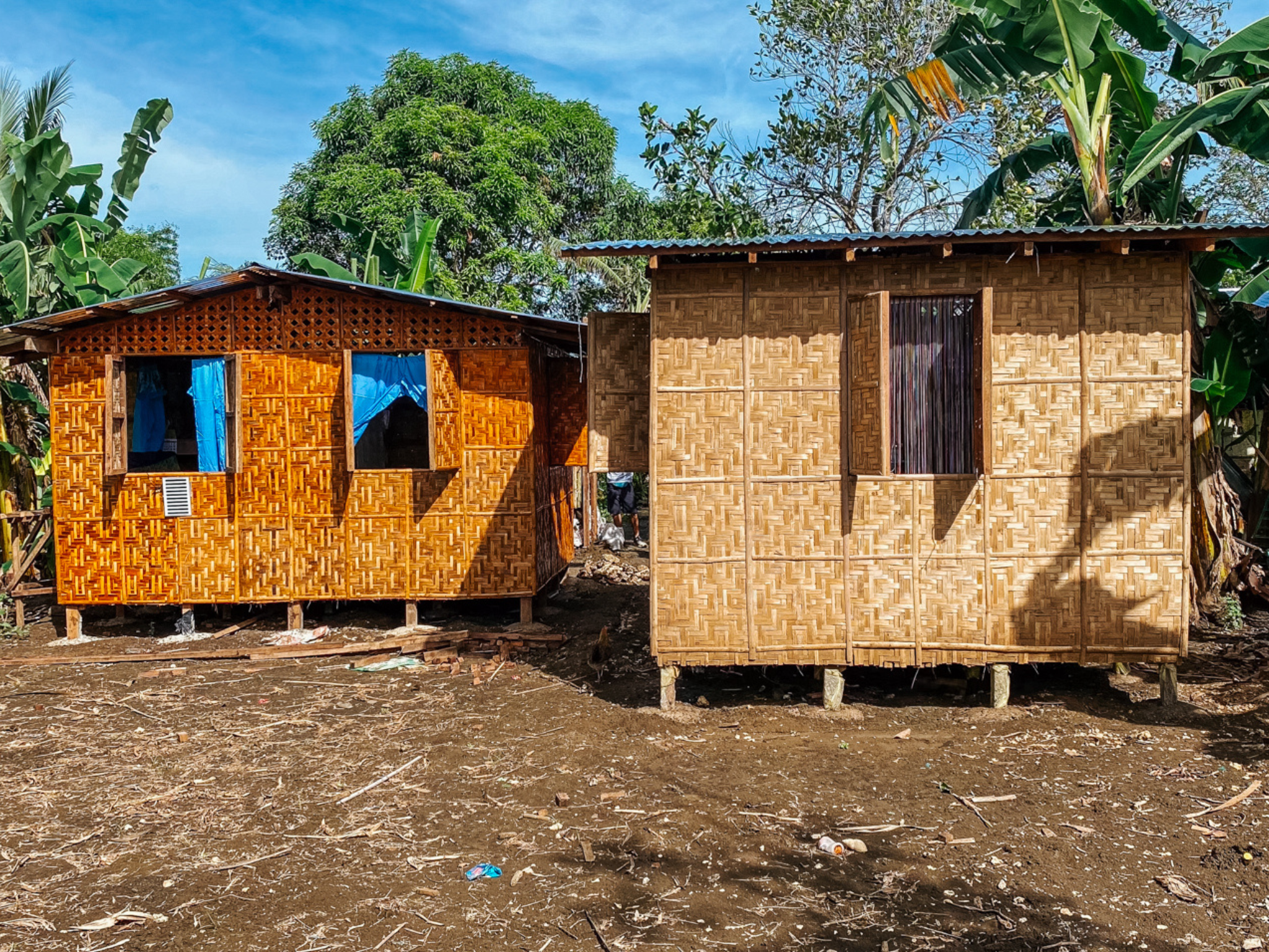
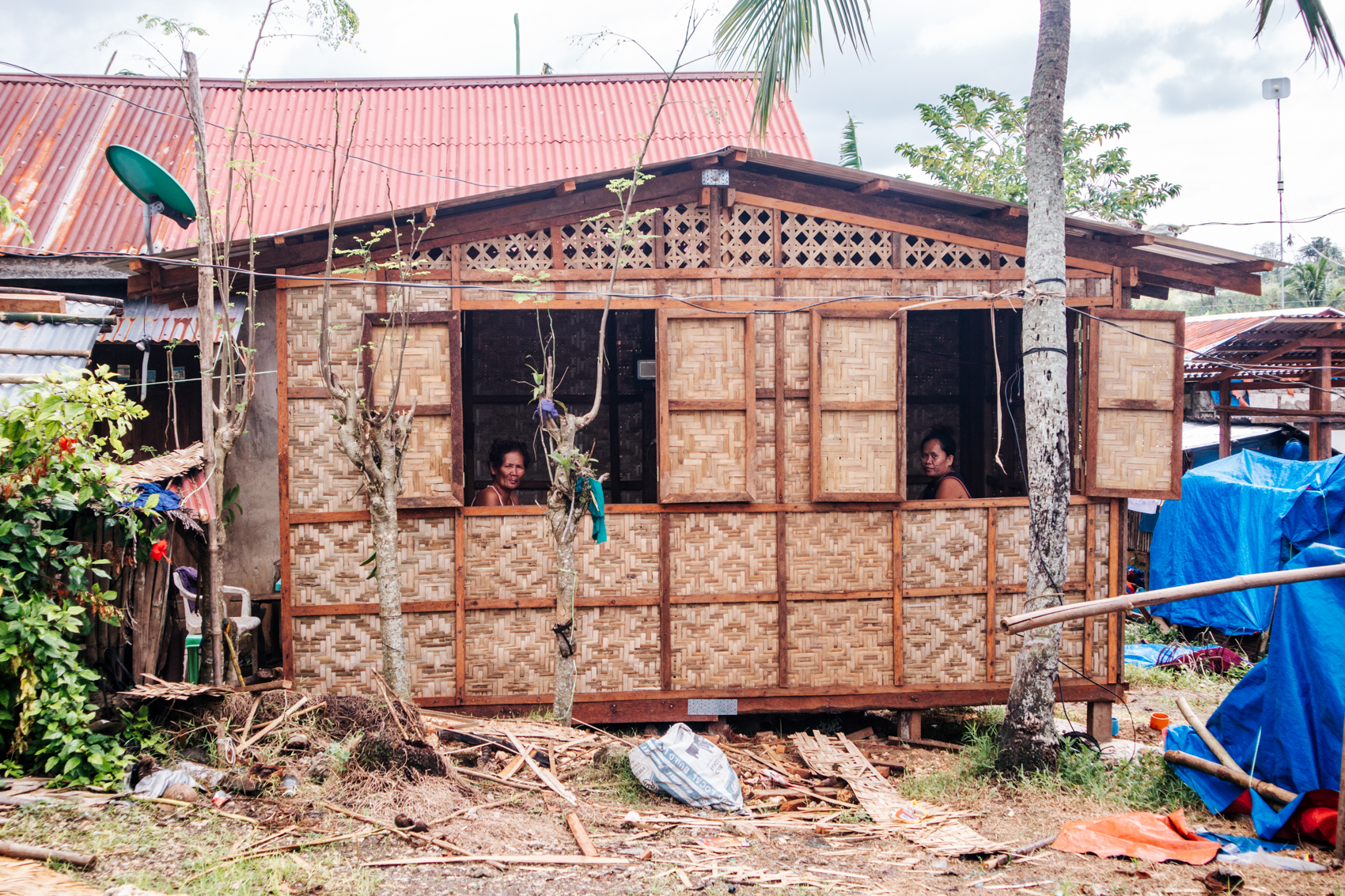
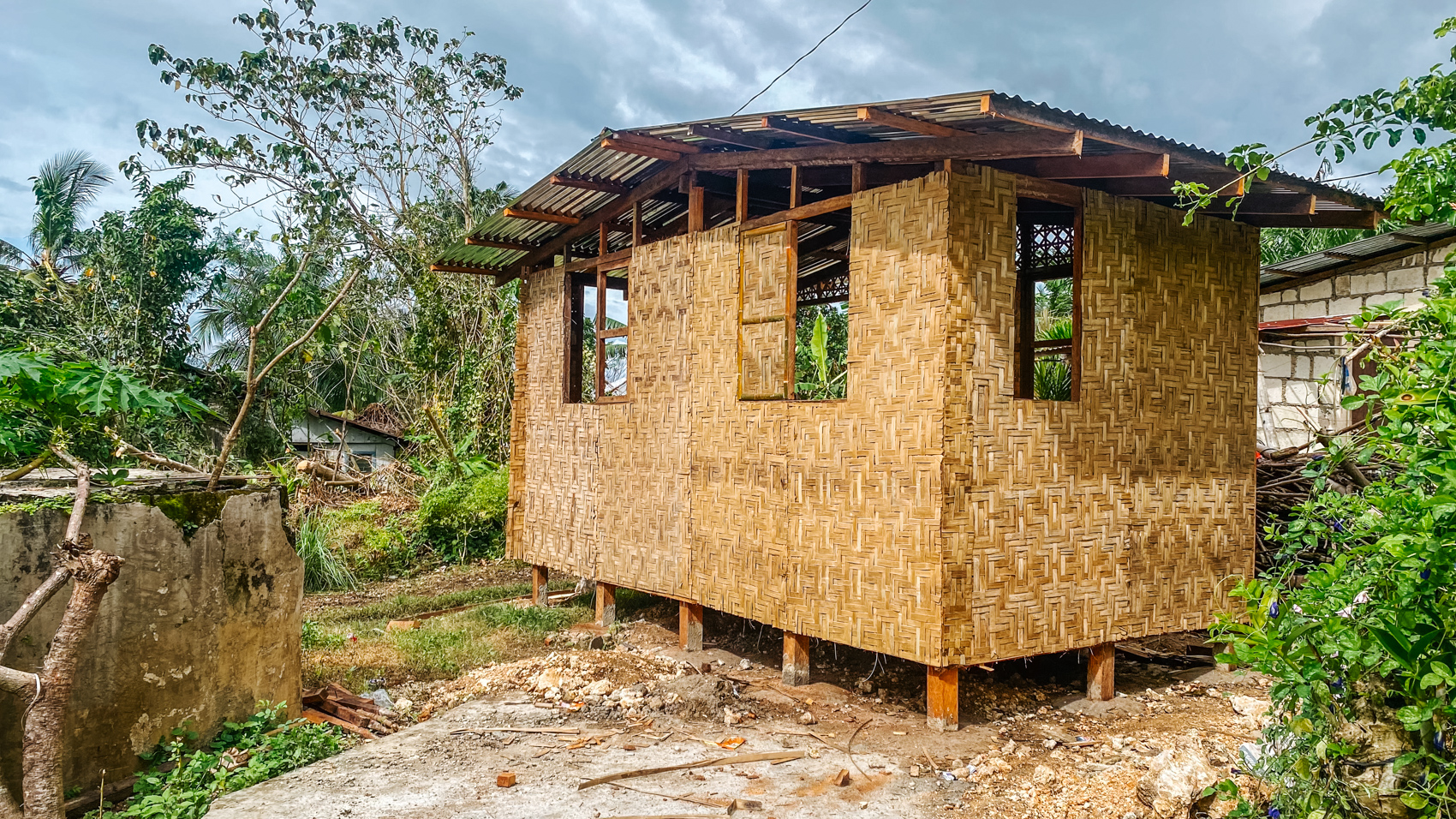
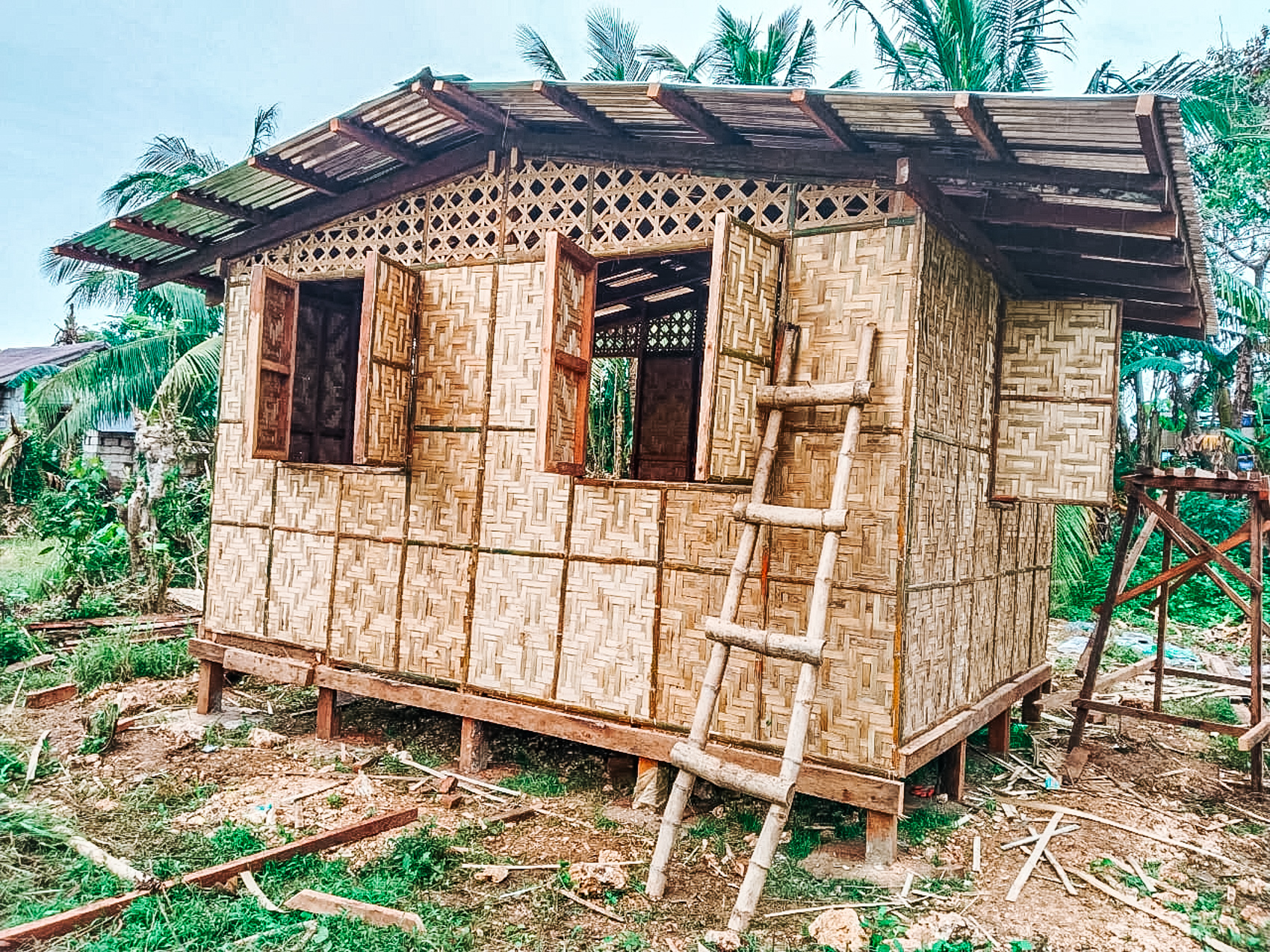
We constructed 29 shelters, specially designed by our teams of engineers in collaboration with local craftspeople, to provide safe spaces for families to stay while awaiting their return home. We used Amakan, locally-sourced bamboo woven with traditional craftsmanship, to create a beautiful and sustainable final product. They are also modular in design to allow for flexibility based on family size while ensuring safety, privacy and comfort.
Wilhelmina’s Story
Wilhelmina remembers the moment her home collapsed. “I was really shocked, because our house was totally destroyed,” she recalls, when the earthquake struck suddenly.
She was inside with her family when the walls gave way in moments, leaving their home in ruins. When we met her in the days after the earthquake, she, her mother, and her grandchild were trying to navigate daily life without a safe place to rest.
We worked alongside the community to build Wilhelmina’s family one of these shelters, a secure space to sleep through the aftershocks and begin to recover. That decision proved critical. Just weeks later, Cebu was hit again, this time by Super Typhoon Tino.
As heavy rains and winds battered the region, Wilhelmina and her family were inside their new shelter, safe. Today, they’re continuing to make that space feel like home.
Giving Back to the Community
While shelters were the priority, we were able to put in finishing touches to places that serve the community as a whole.
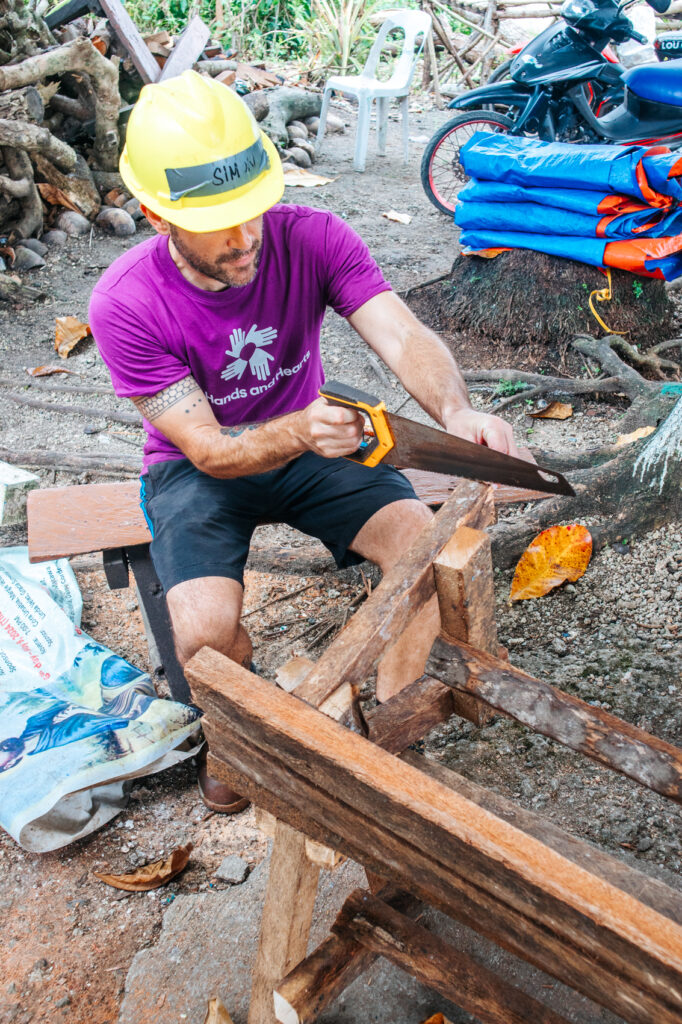
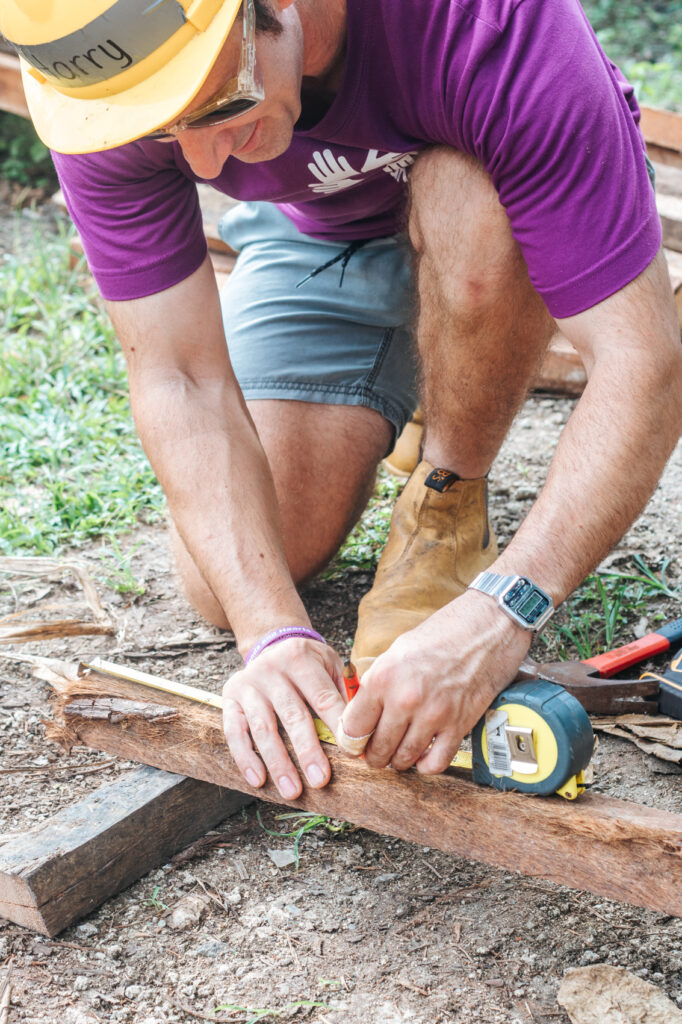
Using excess coco lumber from shelter construction, community volunteers fabricated 14 benches for the local chapel in Tolibao, a shared space that also served as storage for tools and materials during the response. Volunteers also helped clean and restore the chapel, giving back to a place that supported the work from the start.

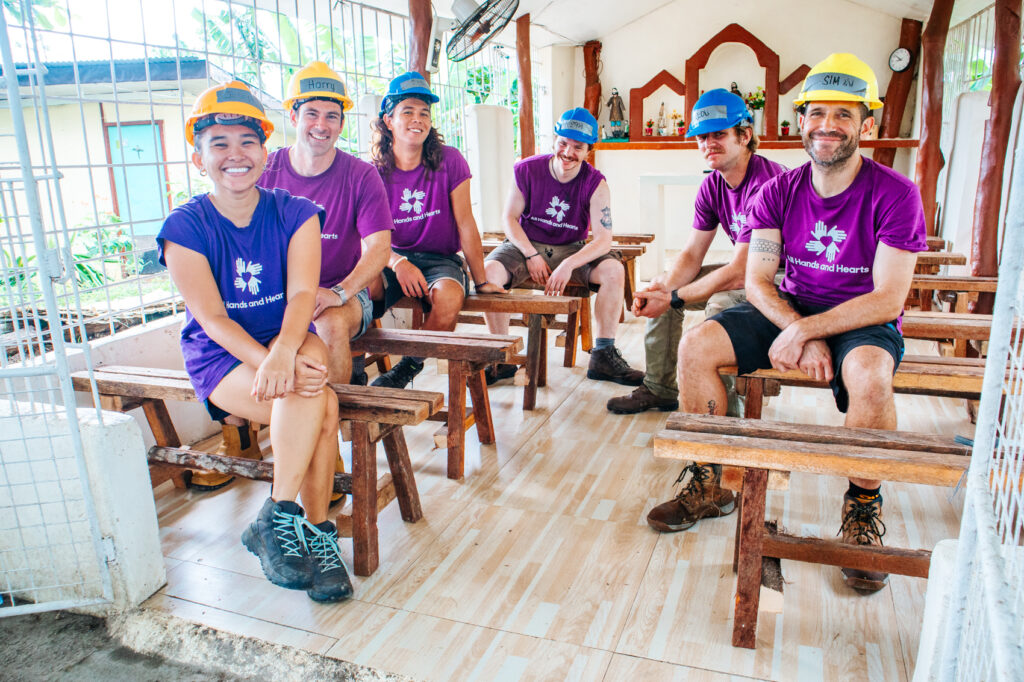
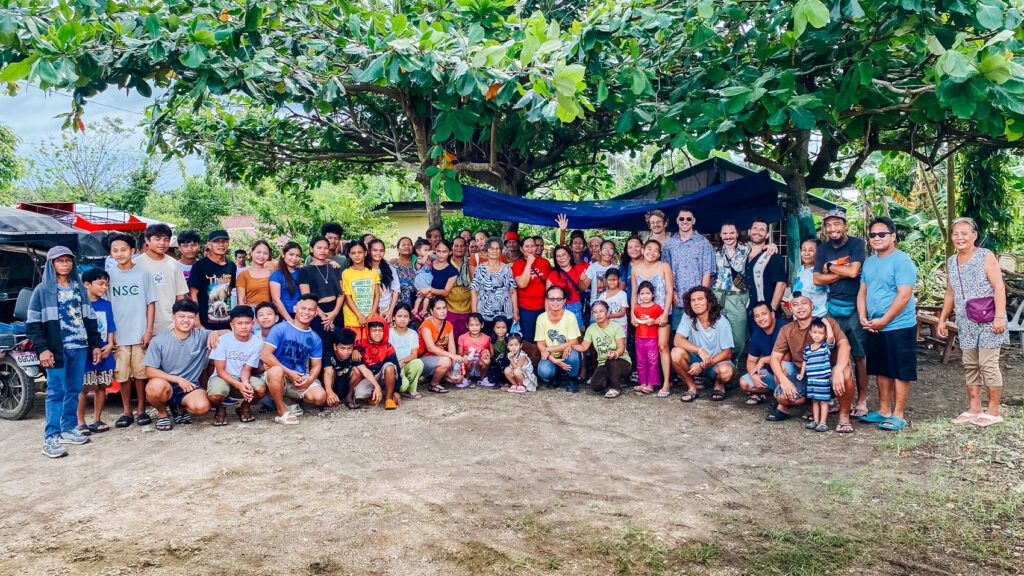
When construction wrapped up, earlier than originally planned thanks to strong collaboration with shelter owners and community members, we were invited back the next day.
The community prepared a celebratory lunch as a gesture of thanks.
During the gathering, the Purok Leader shared words that stayed with us. They spoke about what it meant for their remote community to be seen and supported. They reflected on the holidays feeling safer, and on the reality that, without this support, many families would still be living in makeshift tents.