2026 Year In Review
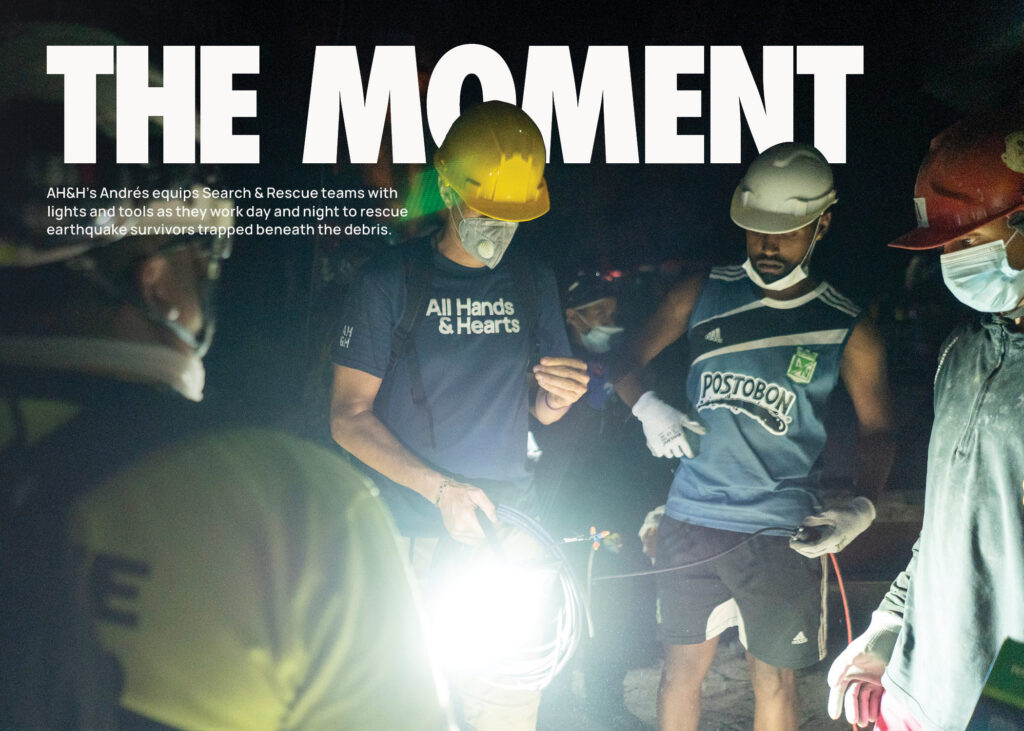

39 seconds. That’s all it took for twin earthquakes to shake Venezuela.
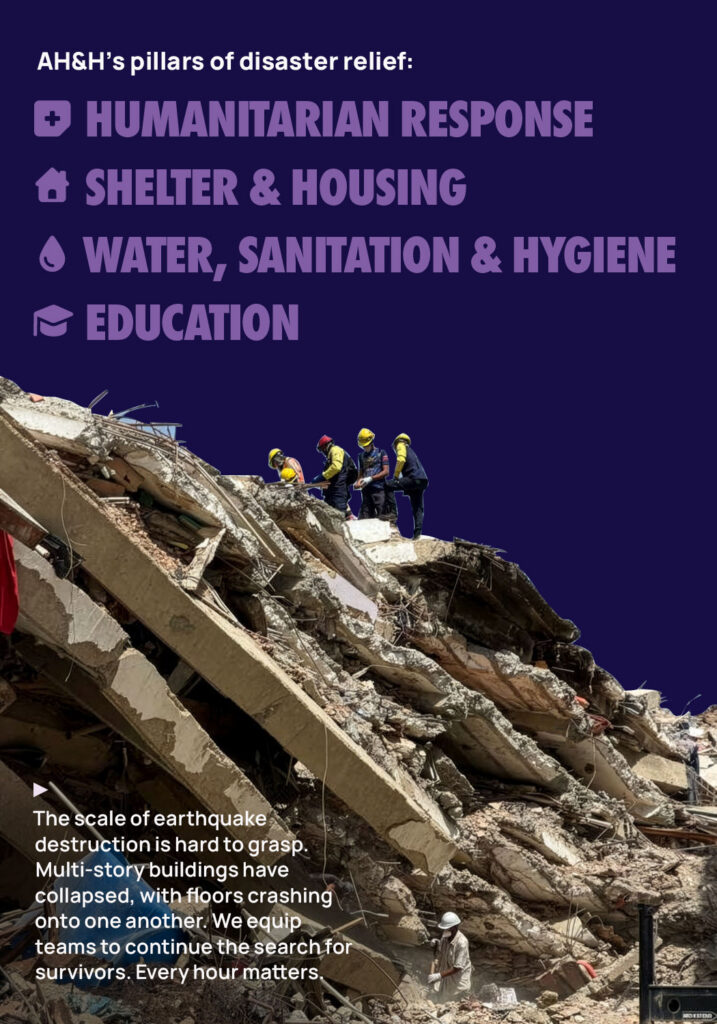
What happens next is measured differently. In the first 100 hours after an event, we support Search & Rescue teams, place Starlinks so survivors can reach loved ones, provide cash assistance, and distribute much needed supplies. But needs evolve. Bottled water gives way to water filtration systems. In shelters, showers are built. Tents become the starting point for rebuilding homes. And restoring access to education isn’t an afterthought; it is essential to recovery.
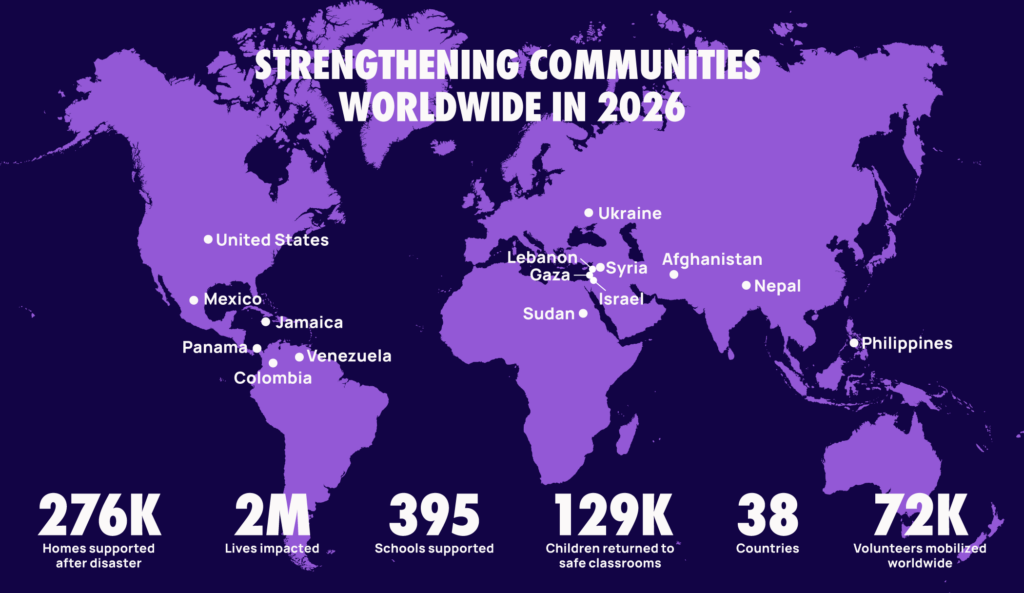
What unfolds in seconds leaves consequences that last for years, as acute emergencies turn into protracted crises. Across the globe, disasters tested the resilience of millions. Different places. Different crises.
Recovery rarely follows a straight line or a one-size-fits all solution. In 2026, we reaffirmed our commitment to the full spectrum of disaster relief, from preparing communities for wildfires in California to helping families rebuild stronger in Florida.
The stories that follow offer a glimpse of what we accomplished together.
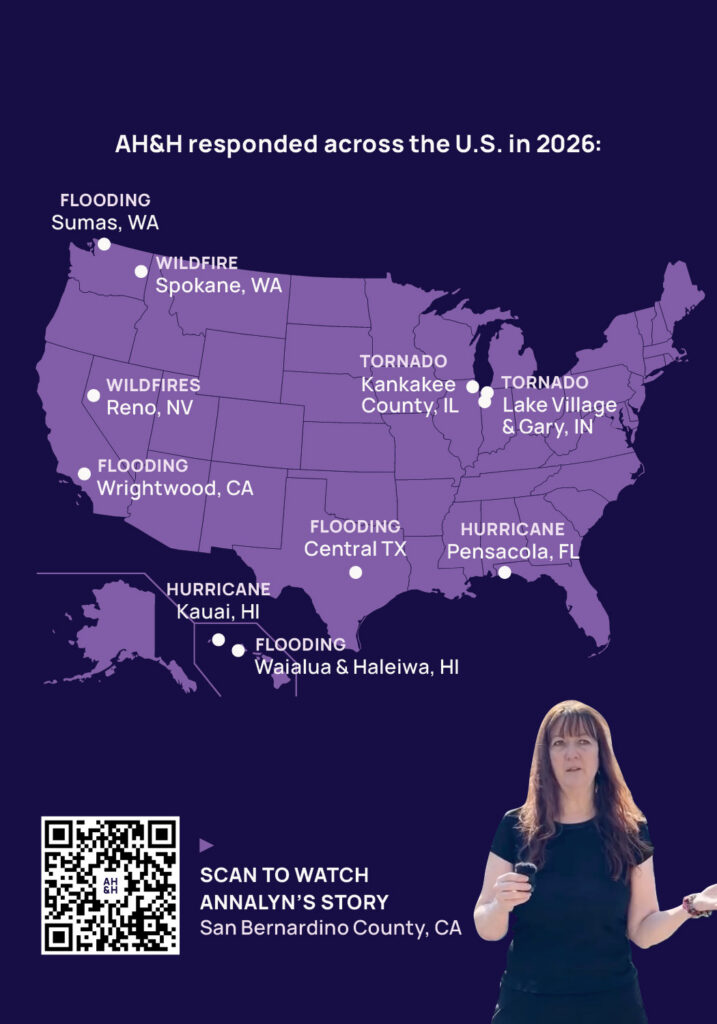
On Christmas Eve, devastating floods and mudslides tore through San Bernardino County, California, turning homes into rivers of mud and debris.
For Annalyn, the nightmare unfolded inside herown home. As floodwaters rushed in, she lifted her paralyzed husband onto their bed, desperately trying to keep him above the rising water. Their only escape was through a window he couldn’t reach.
“I sat with him and held his hand. I told him I was going to stay with him.” In that moment, Annalyn feared theywouldn’t survive.
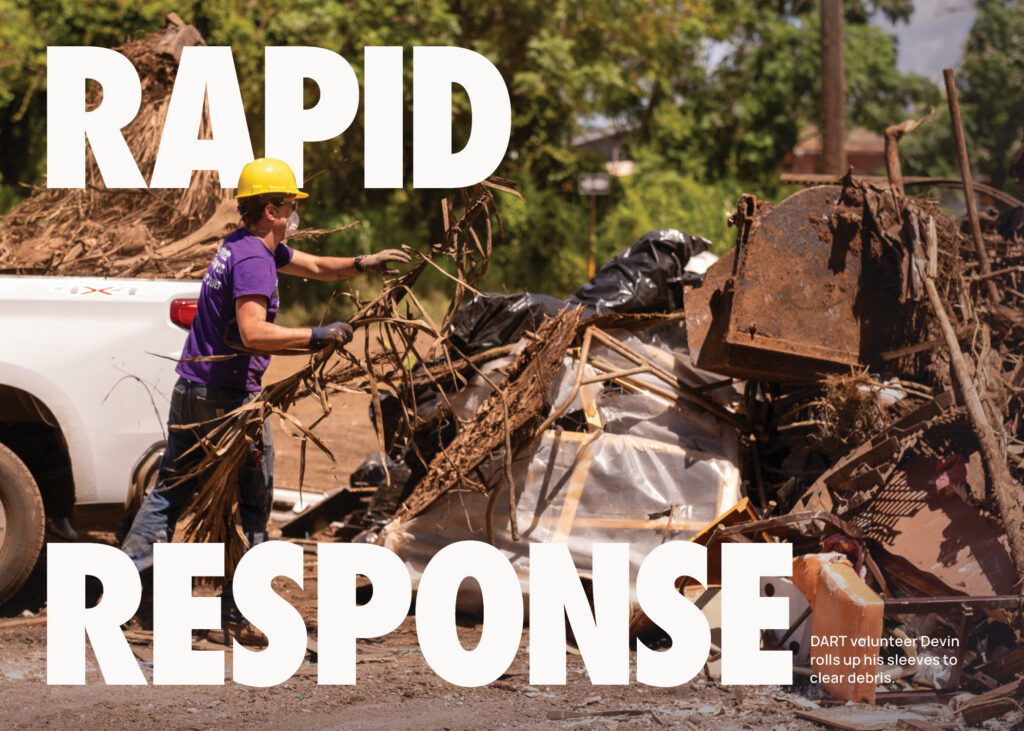
Across the U.S., our teams showed up for our neighbors when disaster turned their lives upside down.From clearing thick mud and debris to gutting damaged homes and sanitizing spaces to prevent mold, our teams helped families take the first steps toward reclaiming their homes and their lives.
Because of everyone who supported our Disaster Relief Fund in 2026, we were ready to mobilize quickly when disaster struck.
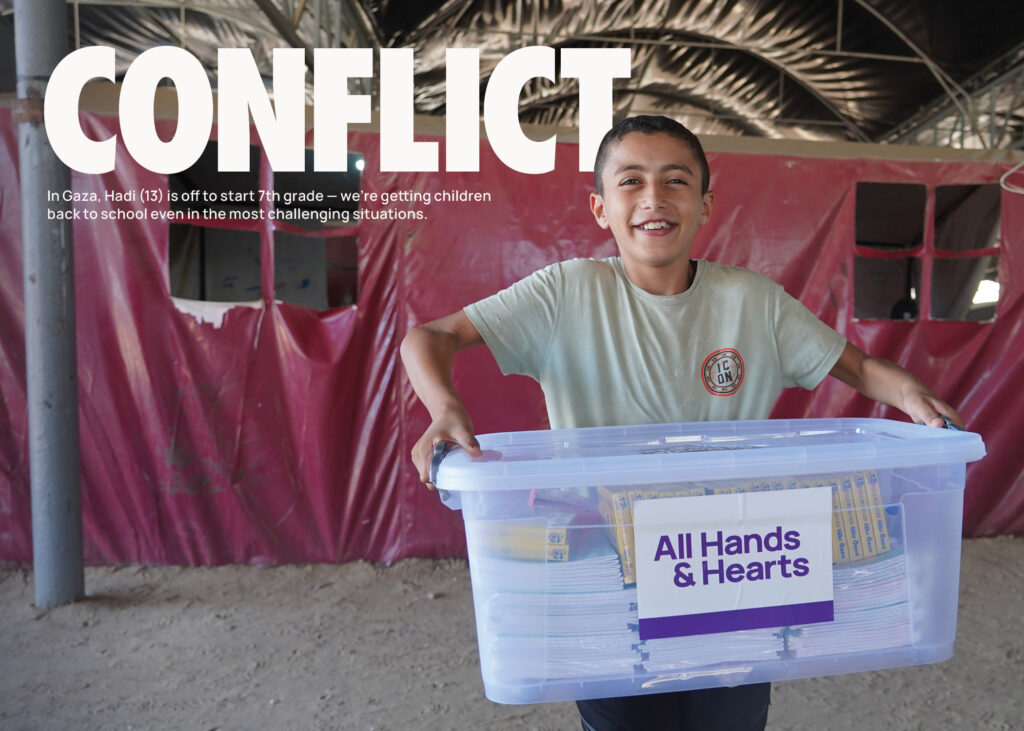
The destruction across Gaza is beyond human comprehension. Yet inside this devastated landscape, everyday life continues.
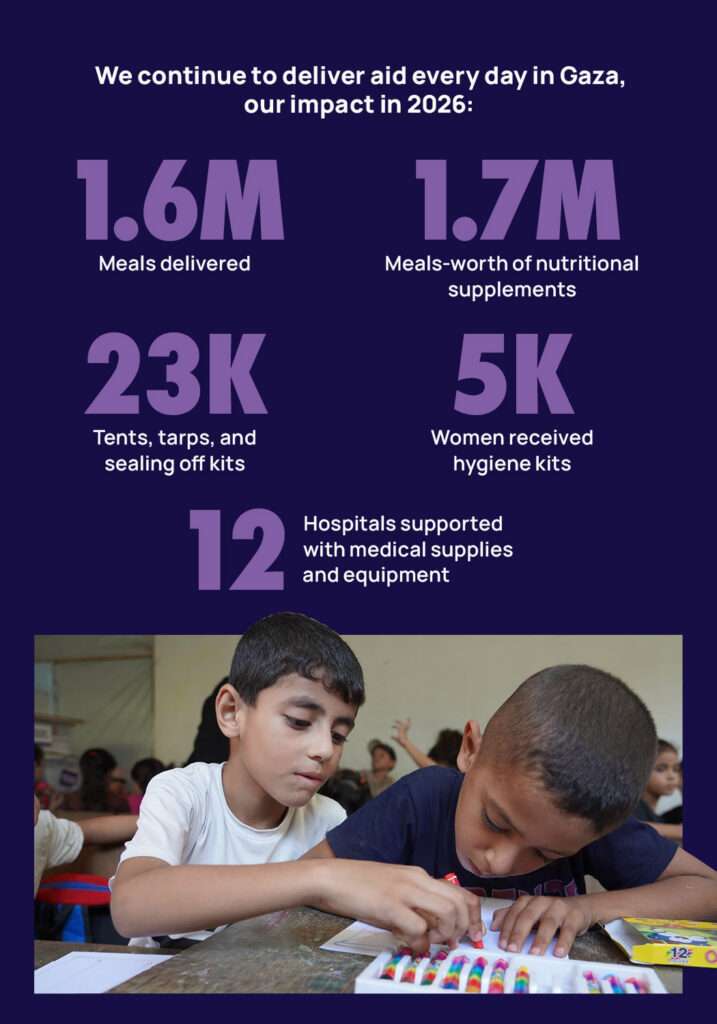
Small businesses reopen. In July, communities gathered around open-air screens to watch the World Cup. And as the new school year approached, 31 provisional learning spaces, serving 24,000 children all together, received “Classroom in a Box” kits. Jampacked with notebooks, pencils, crayons, scissors, rulers, whiteboards, and learning charts, they give teachers the means to teach and children a chance to continue learning amid ongoing conflict. In the months that followed, support expanded to hot meals, teacher stipends, trauma relief through sports and art, and repairs to toilets and water taps. Practical interventions, yet very necessary!
As 2026 draws to a close, we plan to expand our work with programs to address child malnutrition, help farmers restart agricultural production, and improve shelter interventions to help families weather the winter.
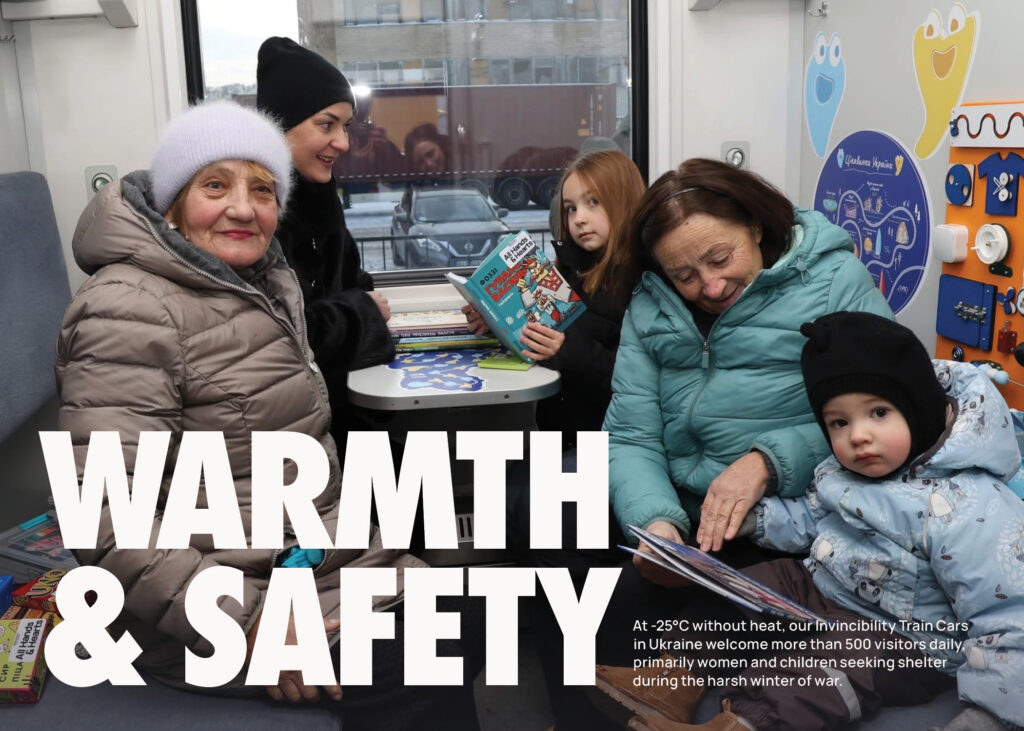
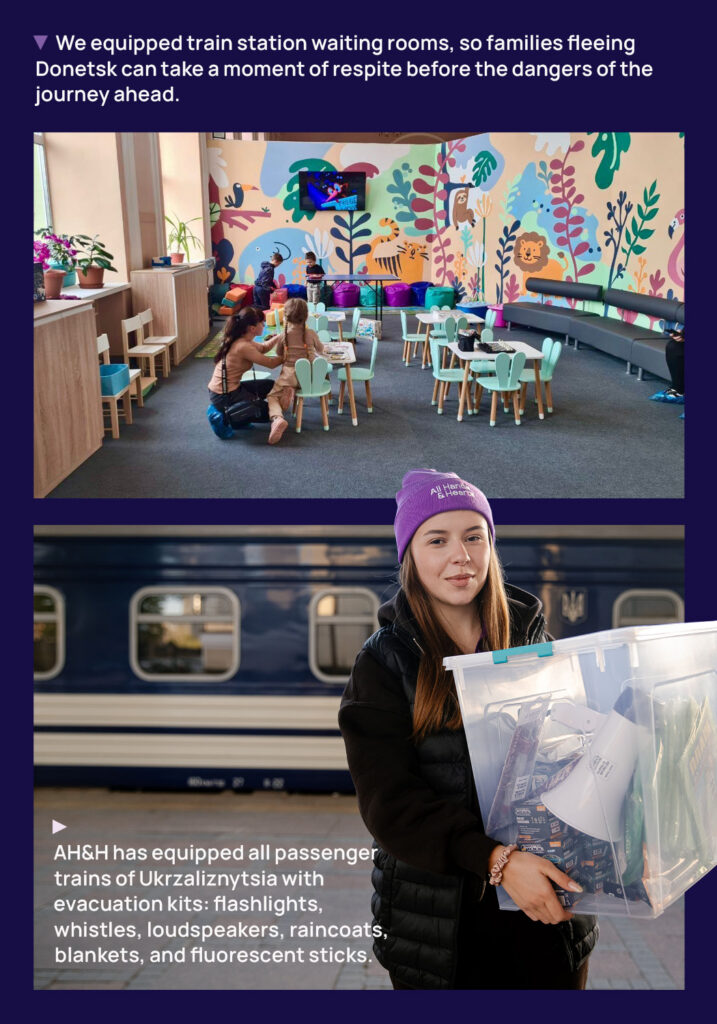
When temperatures hit –25°C and Russian attacks leave families without heat, electricity or water, even getting through the day becomes a challenge. For Alina, a mother living on the 17th floor of a Kyiv apartment building, that means facing the bitter cold without basic services—or even a working elevator.
In January, AH&H helped launch the Invincibility Train Cars, in partnership with Ukrainian Railways and other organisations. We equipped the trains with generators, heated spaces, phone charging, Starlink internet, and dedicated children’s compartments with games, books and cartoons. Families can warm up, charge their phones, stay connected, and give their children a moment to simply be kids.
Throughout 2026, the 60 train cars have provided warmth, safety, and connection to communities across Ukraine. In February, one train car was struck during an attack. Thankfully, no one was hurt. As another winter approaches, the need continues—and so do the trains.
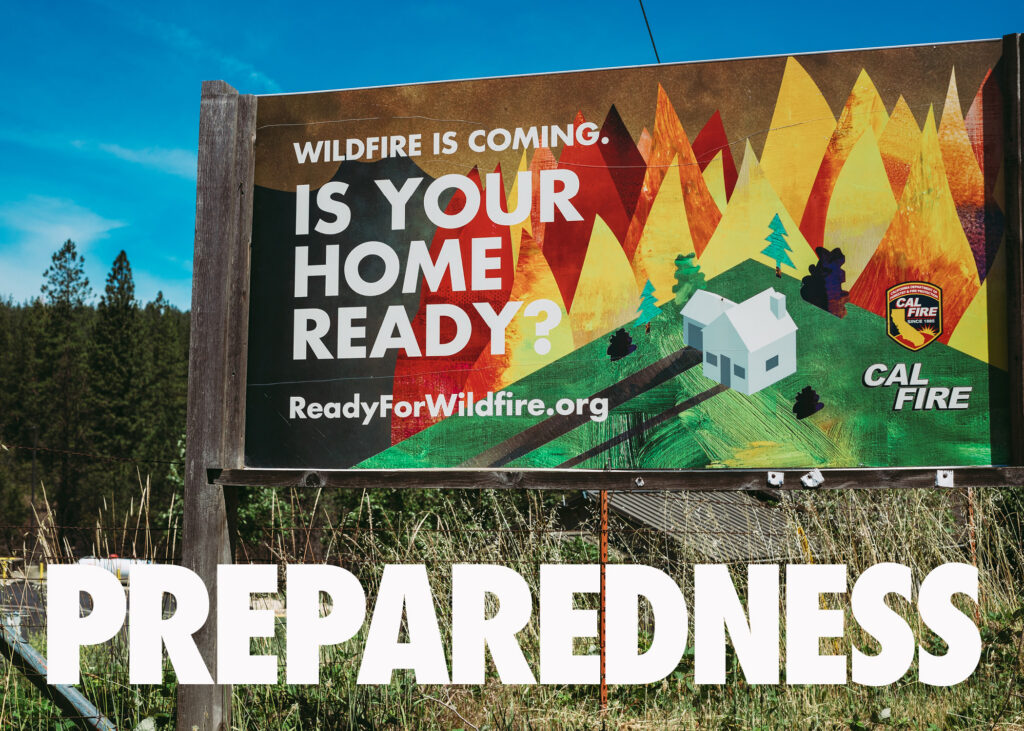

As wildfires become a year-round threat in California, protecting homes and communities can no longer wait until disaster strikes. Preparedness is becoming just as critical as recovery
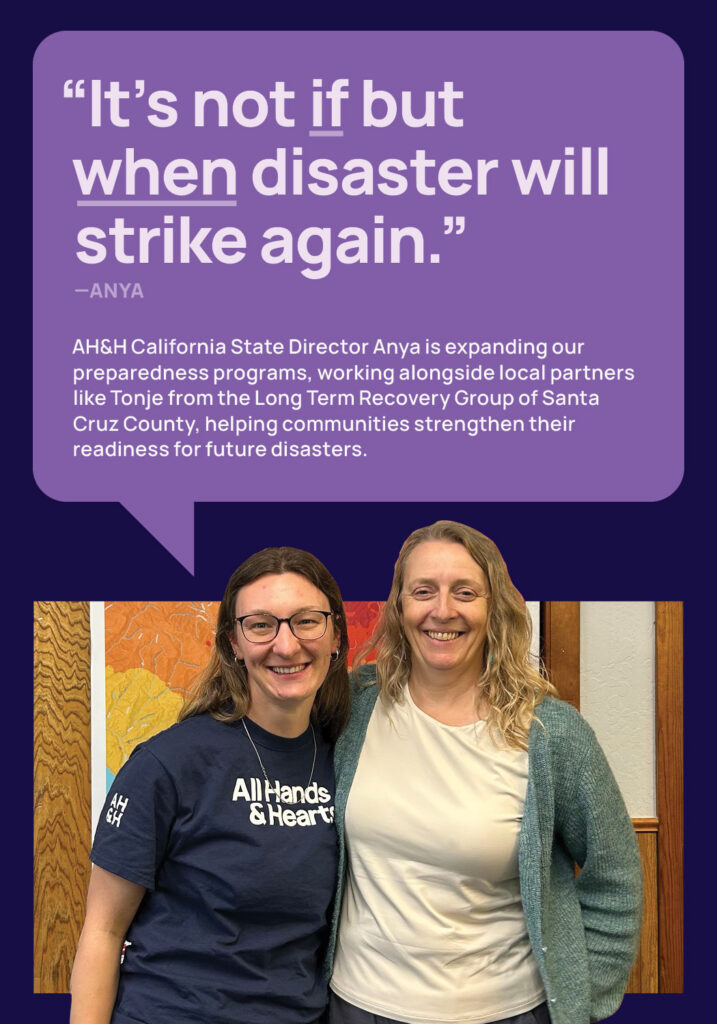
AH&H is equipping homeowners with the knowledge, skills, and tools to reduce risks before the next wildfire.
Working alongside residents, we create defensible space around their homes, clearing hazardous trees and vegetation, and introducing Zone 0 home- hardening measures. By removing flammable materials within five feet of homes and replacing vulnerable landscaping with gravel and river rocks, families can significantly reduce their exposure to wildfire risks.
Beyond physical improvements, we’re empowering homeowners through hands-on training in property maintenance, safe chainsaw use, emergency alerts, and evacuation preparedness, including the importance of having a ready-to-go emergency bag.
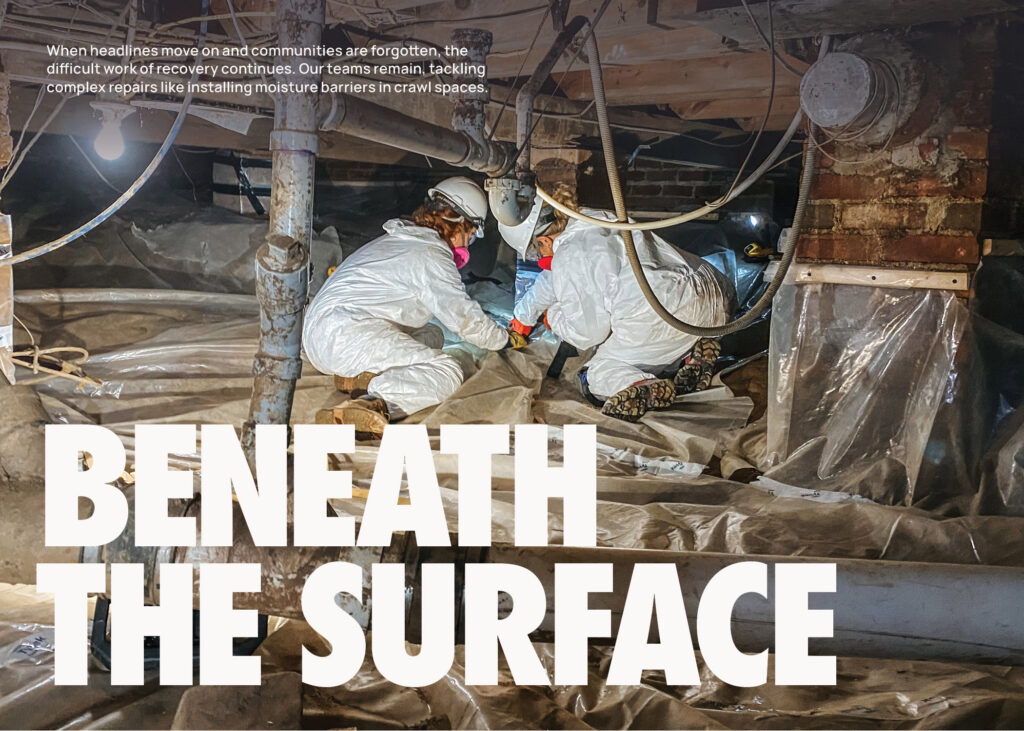
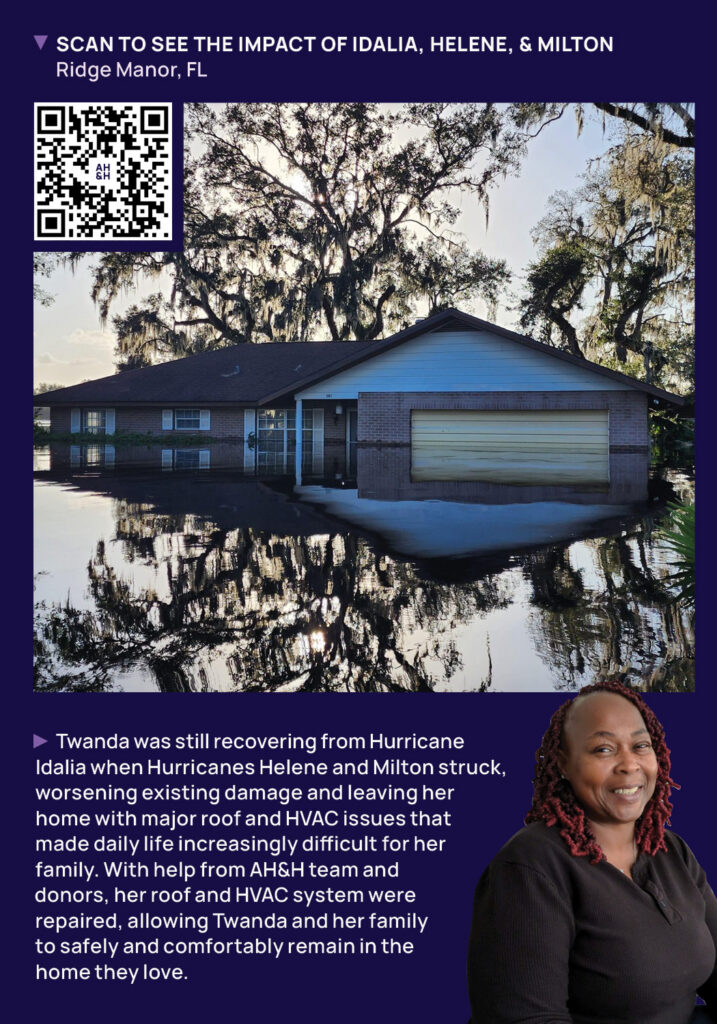
Across the U.S., the most visible damage from a disaster is often the first to be repaired. But beneath the surface, the destruction runs much deeper. Like the flooded crawlspace beneath a home, some of the hardest problems remain unseen long after attention and support move elsewhere.
From hurricanes in Florida and North Carolina to flooding in Texas, our work takes us into these overlooked spaces, tackling complex repairs and helping make homes safe again. AH&H has supported 11,000 people, completed 20 community projects, and repaired and stabilized over 400 residential homes across all three states.
None of it happened alone. Survivors, local leaders and businesses, grassroots organizations, and partners shaped the work, supported by donor generosity and over 100,000 volunteer hours. It takes all of us.
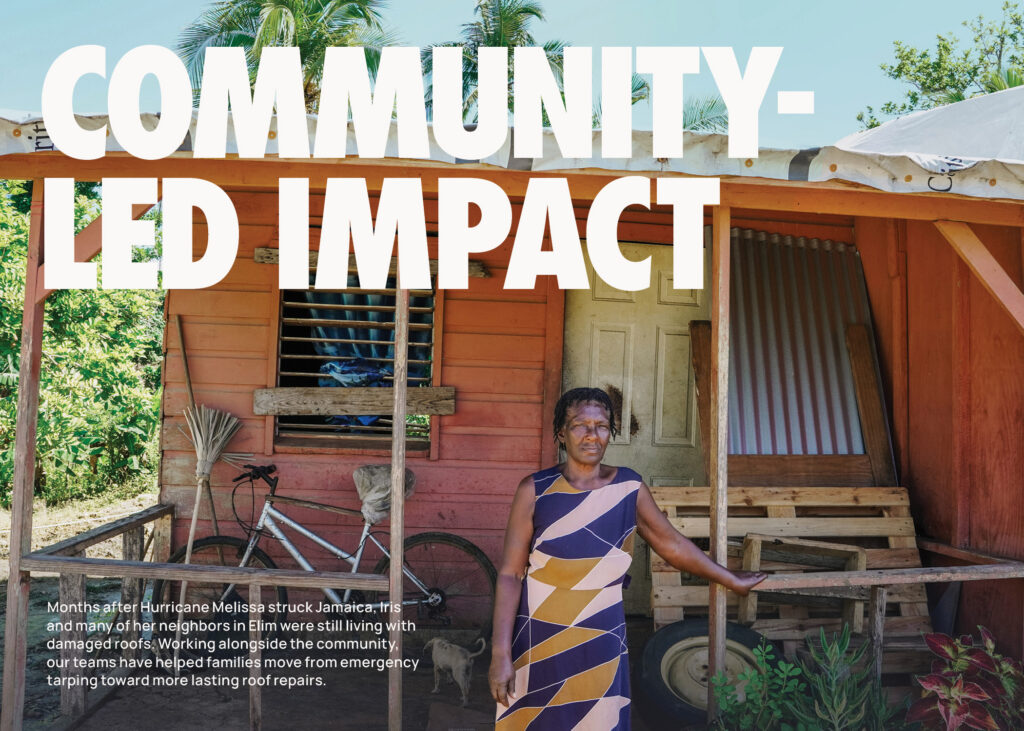
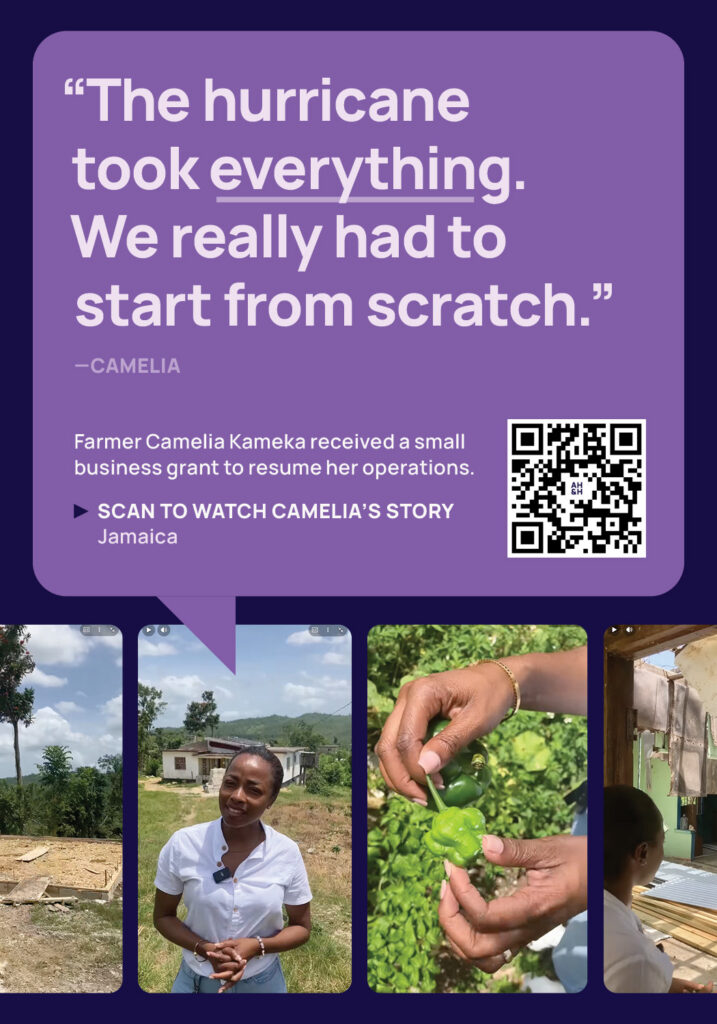
Hurricane Melissa caused catastrophic damage across Jamaica, leaving thousands of families wondering where to begin when all seems lost. What unfolded over the past year is difficult to capture in words.
Our teams distributed food, water, and hygiene supplies, even using helicopters when necessary to reach cut-off communities. Debris clearance, cash assistance, emergency tarping and light and heavy roof repairs followed. As immediate needs gave way to longer-term challenges, the work expanded to include safer construction training and grants to help small businesses recover.
AH&H’s Cecilia trained local residents in safer roof construction techniques. Shared tool libraries provided access to equipment, while cash-for-work opportunities offered much-needed income.
The significance of this work lies not only in the roofs repaired or businesses supported, but in what remains with the community: the knowledge, tools, and practical experience to continue rebuilding on their own terms.
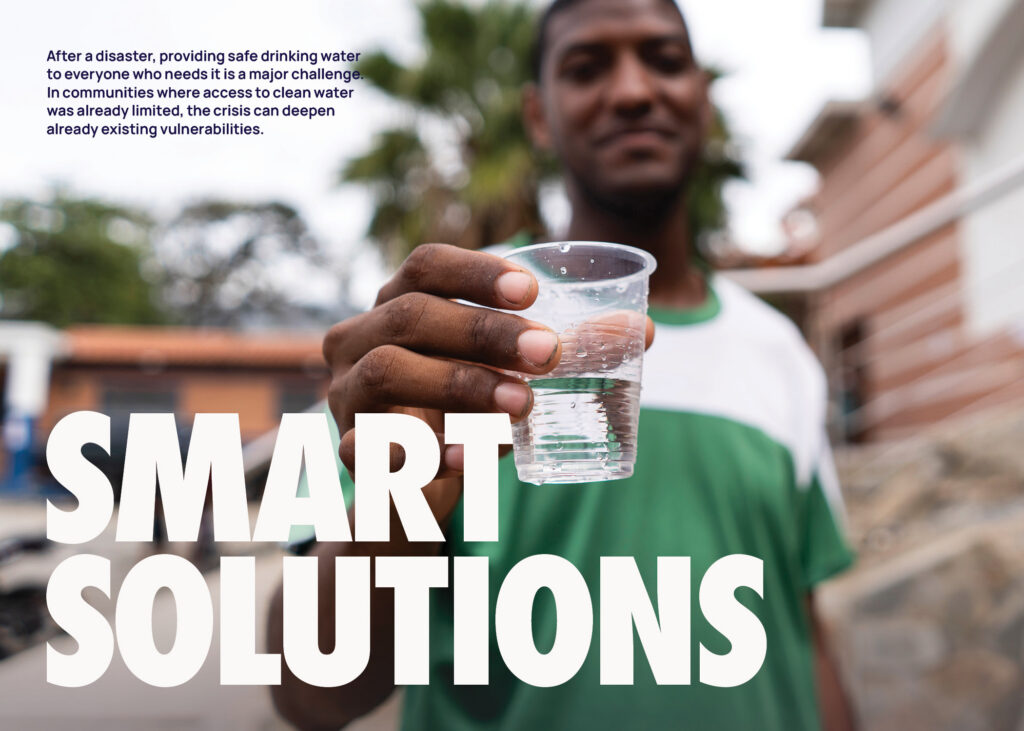
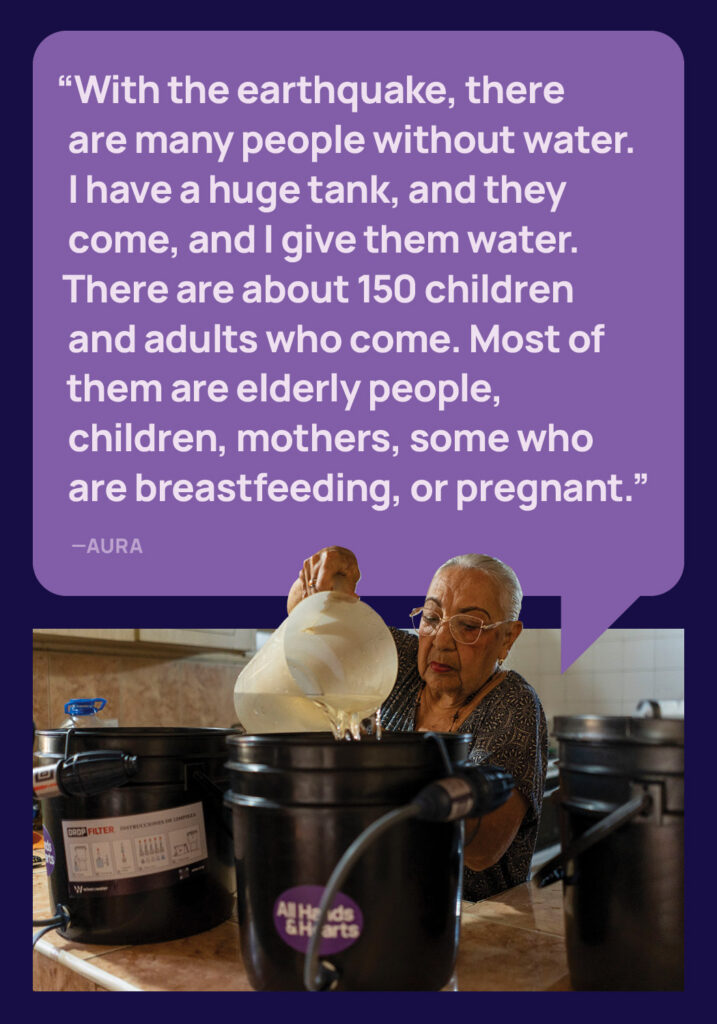

Bottled water is a lifeline in the first days after a disaster, but safe water cannot depend on plastic bottles indefinitely. Delivery is difficult to sustain, and the growing mountain of waste creates yet another problem for communities.
That’s why our teams provide water filtration systems directly to community leaders at churches, schools, and community centers. Simple in design, these systems can produce up to 5 million liters of safe drinking water.
We also build showers, restoring something easily overlooked in an emergency: dignity. After the earthquake in Colombia over the summer, we installed shower blocks in the Maria Robledo shelter where people had gone seven days without bathing. When we returned a few days later, we heard that all 120 people in the camp had showered that very night. Even children like 10-year-old José, who checked in every 10 minutes as construction was progressing, had never been so excited for bath time!
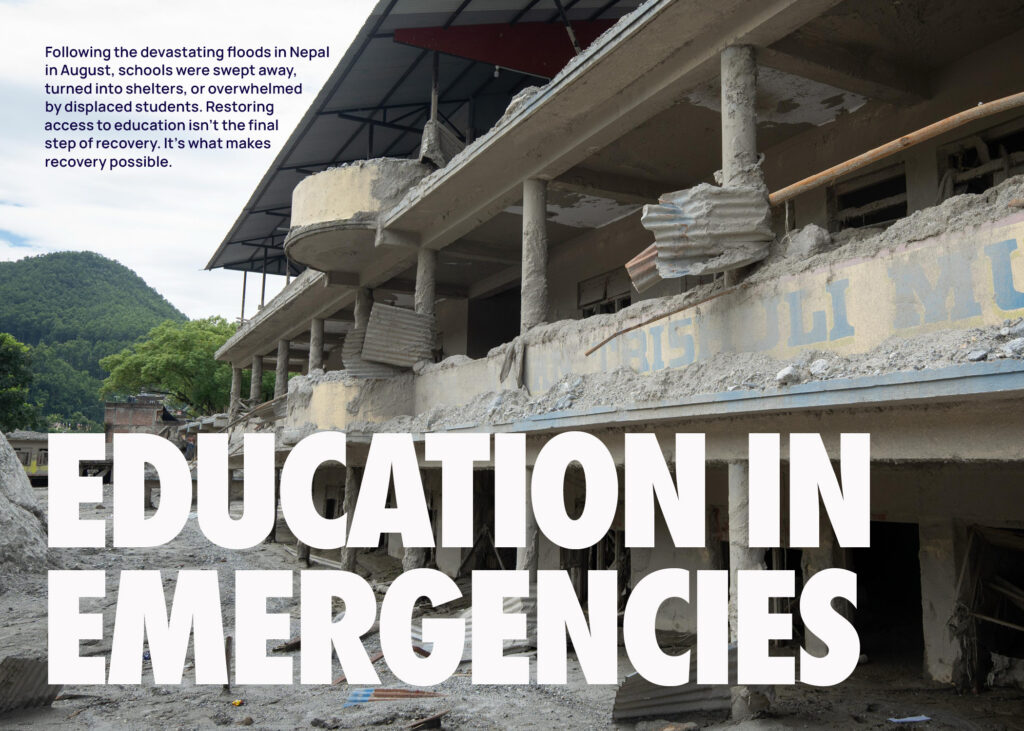
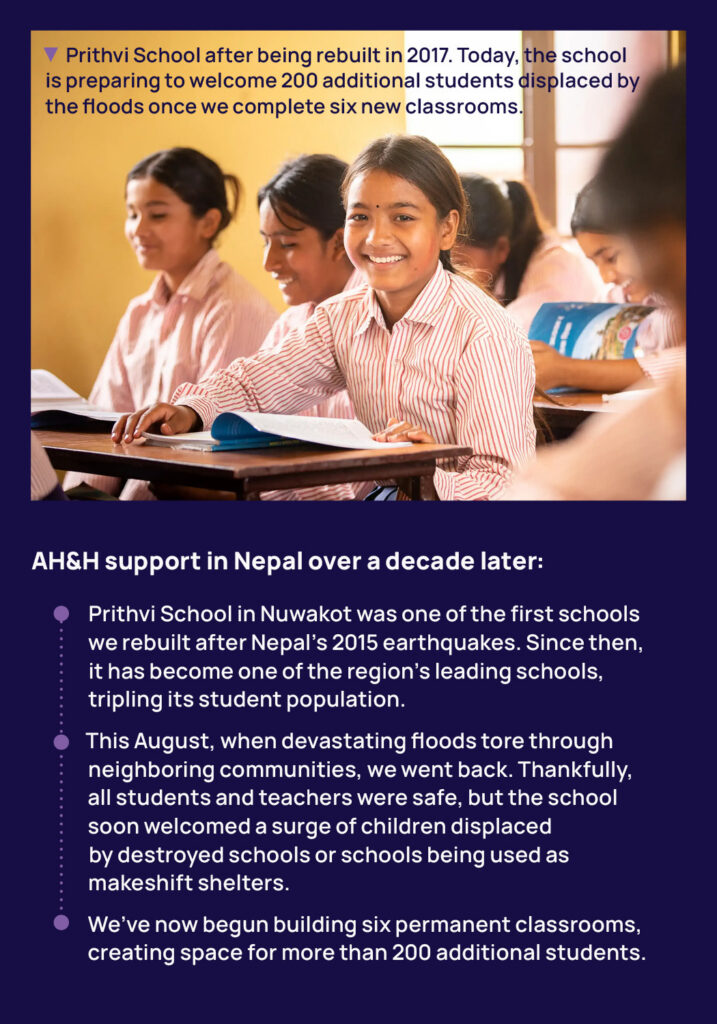
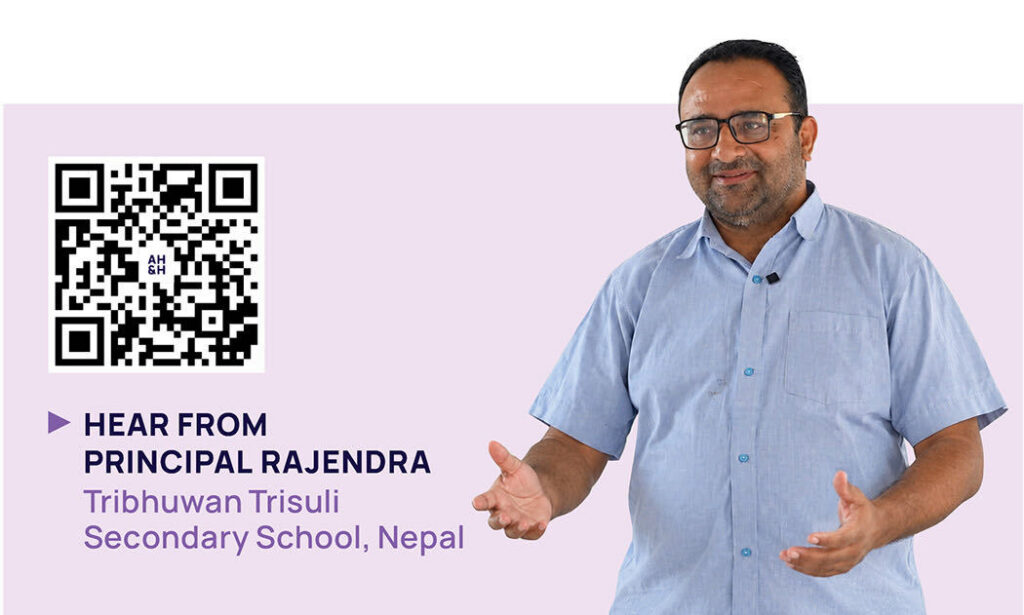
When the floods swept away Tribhuwan Trisuli Secondary School, Principal Rajendra Dawadi made global headlines for helping save the lives of more than 900 students.
With the school destroyed, our team of local masons, volunteers, and staff worked hard to build three temporary classrooms, providing safe, weather-protected spaces where children could resume classes. Built with sturdy truss structures, plywood interiors, and corrugated tin cladding, the classrooms also include the necessary plumbing, electricity, and toilets to fully operate.
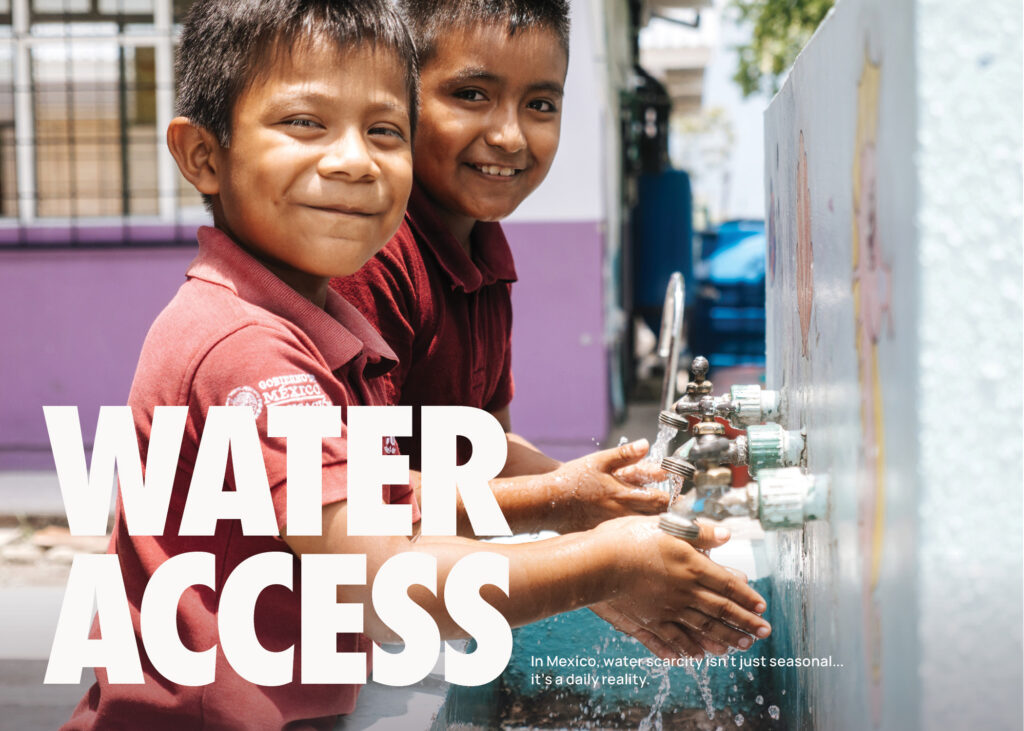
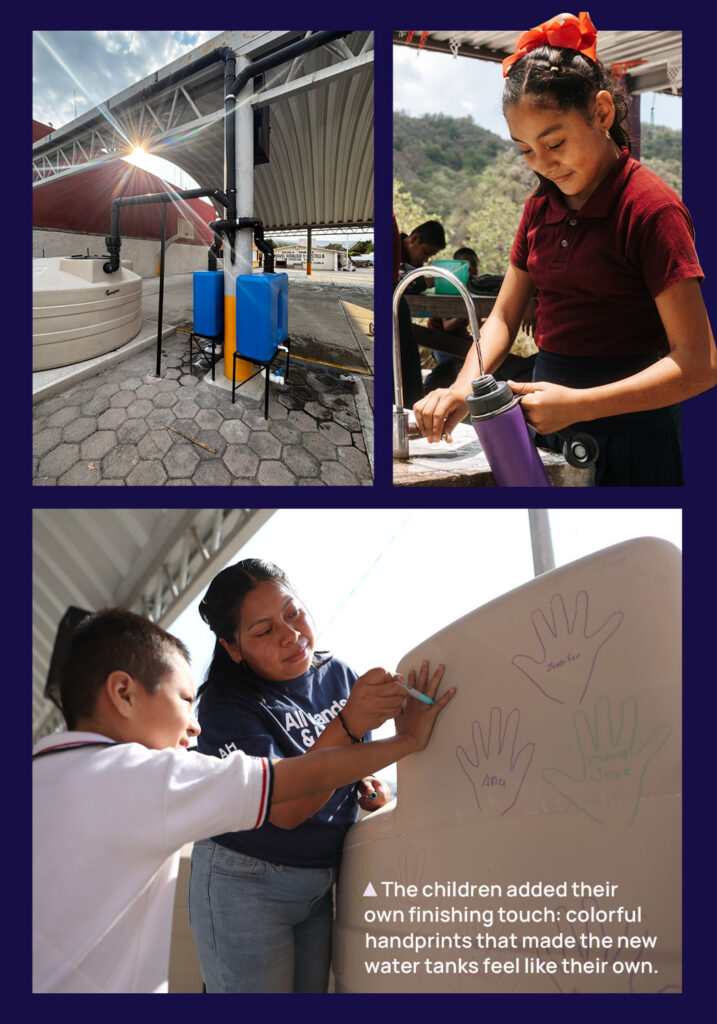
In Puebla, Mexico, something as basic as turning on a tap cannot be taken for granted. Schools depend on water deliveries that are expensive, unreliable, and often insufficient. Without consistent access to clean water, everyday essentials like drinking, handwashing, and keeping toilets functional become daily challenges. For students, water-related illnesses are among the biggest barriers to attending school.
At Miguel Hidalgo y Costilla Primary School and Amado Nervo High School, we set out to change that. Our teams installed rainwater harvesting systems that capture, filter, and treat rainfall, turning an unpredictable resource into a reliable supply of safe water. But installing the systems was only part of the work. Students, teachers, and parents learned how to maintain them, ensuring the knowledge stays within the community.
For the AH&H Mexico family, this reflects a broader ambition: schools should do more than provide classrooms. They should be safe, healthy spaces where children can learn without preventable barriers standing in their way.
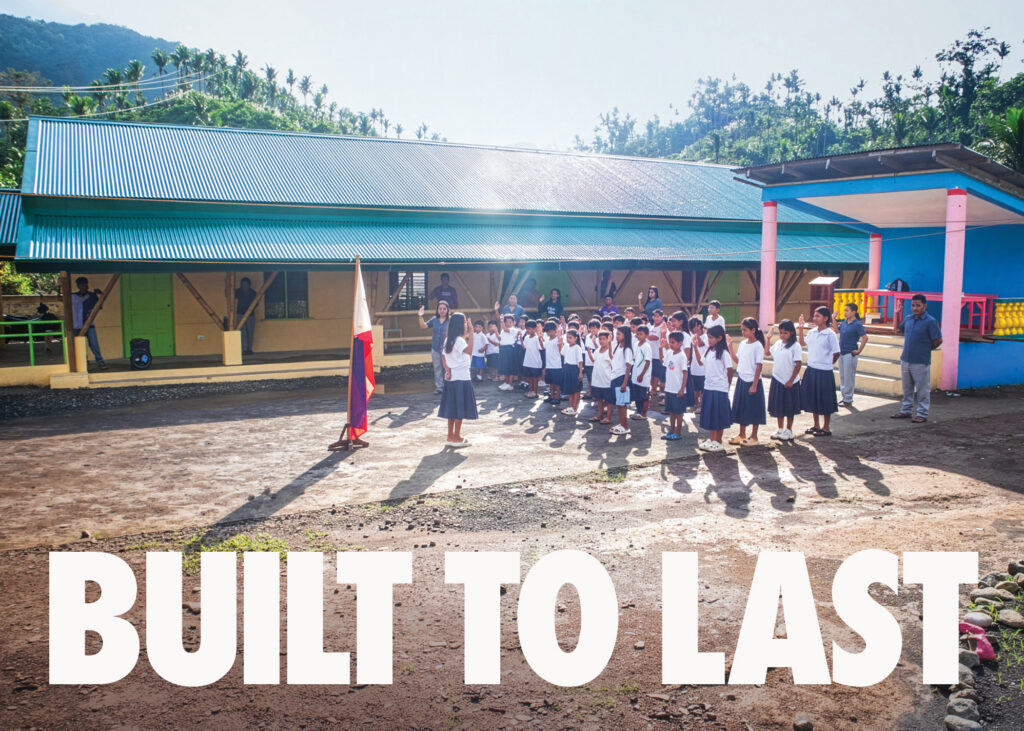
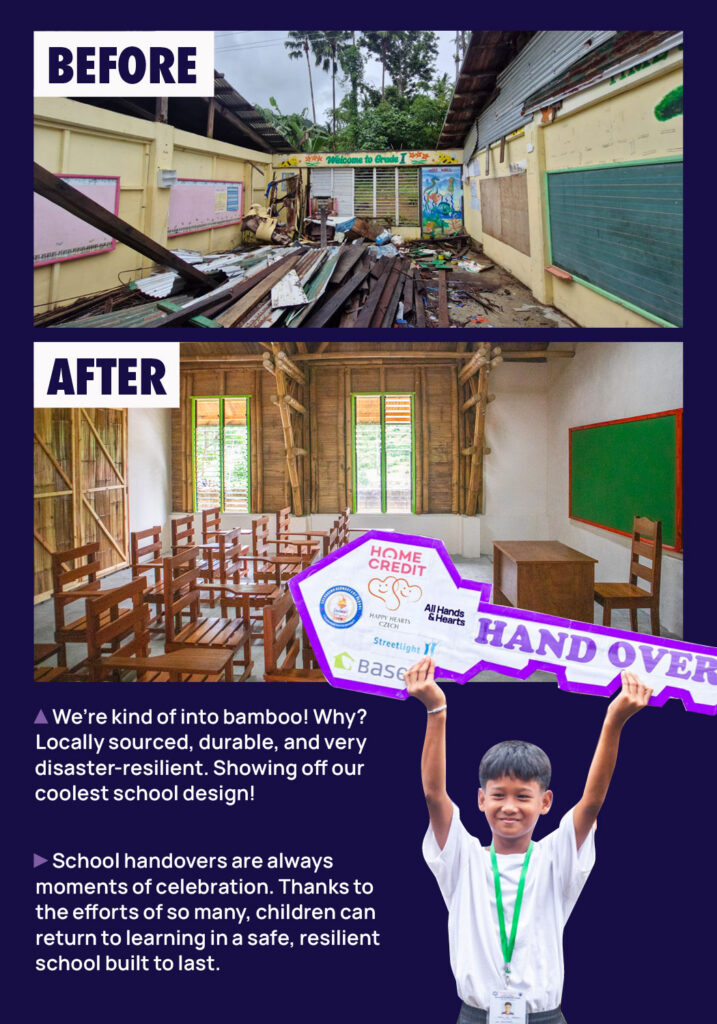
Around 20 tropical cyclones strike the Philippines each year, leaving a trail of destruction that communities are forced to confront again and again. Catanduanes, often called the country’s typhoon capital, is particularly exposed. Homes are damaged, infrastructure collapses, and schools become unsafe. For children, the consequences extend beyond the storm itself: entire generations risk losing access to safe places to learn and play.
Across three projects this year, at Obi Integrated School, Salvacion School, and Iyao School, we worked hard to change that! Using cement-bamboo construction technology, classrooms are rebuilt to better withstand future disasters. The work extends beyond the buildings themselves, integrating safe water and sanitation facilities, disaster risk reduction measures, and child protection training alongside local partners. Of course, we never forget about the playground!
The objective is not simply to replace what was lost. It is to build schools that can withstand the next storm, protecting children’s education in a region where the next disaster is never far away.
SHOWING UP TOGETHER
In a world that moves faster every day, where artificial intelligence is reshaping our lives, real human connection matters more than ever. We believe in the power of showing up for one another.
None of us can carry the whole world. But each of us can choose where to put our hearts, our hands, and our strengths, and bring them to the communities that need us.
We’re not your typical first responders. We’re changemakers, resilience builders, and global neighbors. We listen before we act. We stay when the headlines move on. And we know rebuilding is about more than physical infrastructure. It’s about restoring dignity, hope, and a sense of belonging.
Because no matter how fast the world changes, one thing can’t be replaced: our humanity.
We’ll be here to help in 2027.